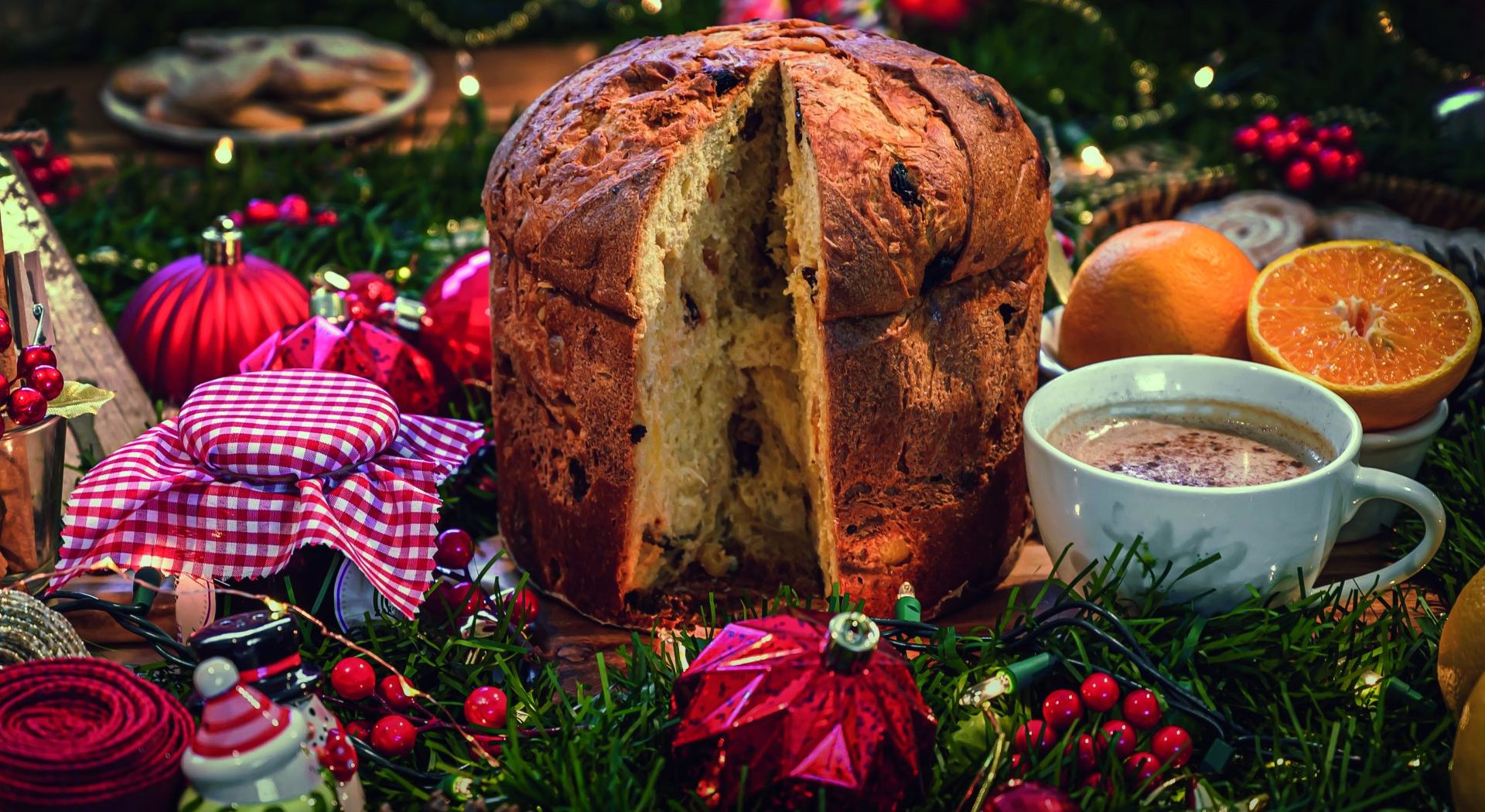
IN ITALY, THE CHRISTMAS TABLE IS NOT JUST A MEETING PLACE: IT'S A COLLECTIVE NARRATIVE. EVERY REGION, EVERY CITY, EVERY FAMILY HAS ITS OWN VERSION OF THE CELEBRATION, MADE UP OF RITUALS, FRAGRANCES, AND GESTURES THAT ARE PASSED DOWN LIKE A SILENT HERITAGE.

Some await midnight on Christmas Eve, others celebrate the slow pace of the next day; some rely on the simplicity of a broth for their idea of warmth, while others seek the voice of the sea in the crispiness of fried food. From the mountains of Lombardy to the alleys of Naples, passing through the hills of Rome, Italian Christmas is a mosaic of flavors and meanings, where cuisine is never just nourishment, but a language of identity, a living memory.
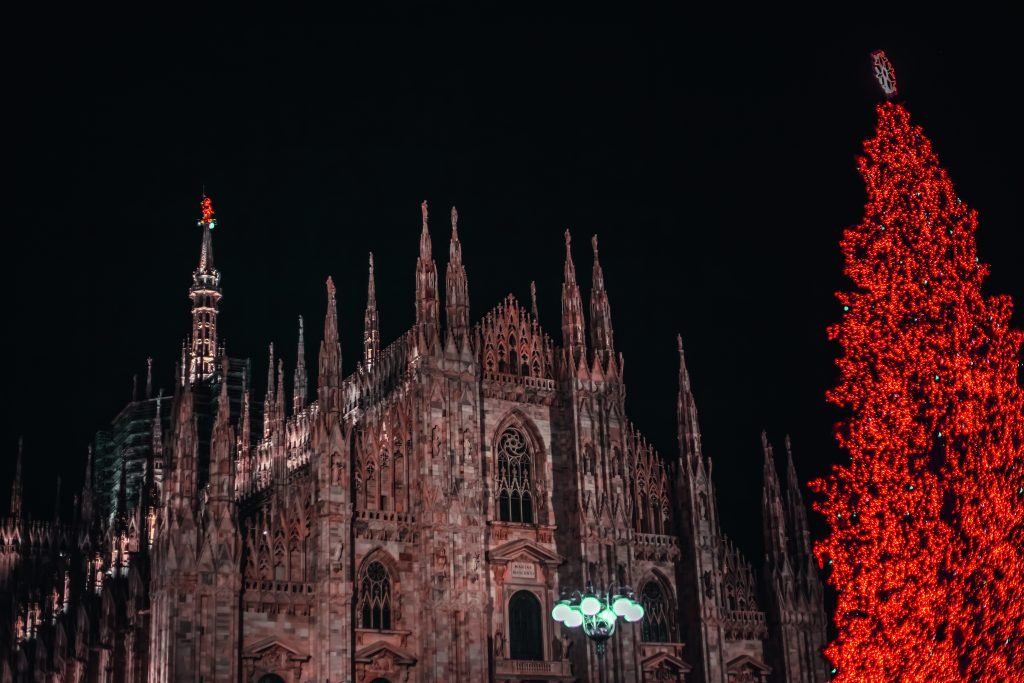
MILAN: CHRISTMAS IN A GOLDEN BROTH Cappelletti in Broth: The Discreet Heat of the North In Milan, Christmas begins with the clear scent of broth simmering for hours. It's a domestic sound, a winter music.
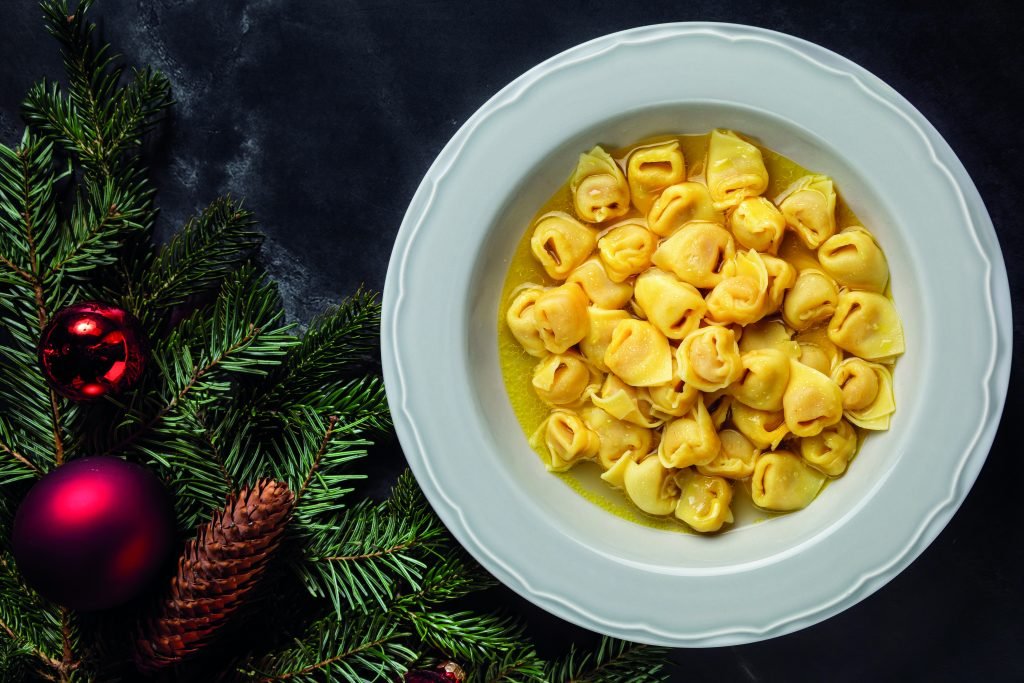
Cappelletti in brodo are the heart of the Lombard table: small, thinly rolled pasta cases filled with meat or cheese and immersed in a clear capon or beef broth.
Behind their apparent simplicity lies a meticulous ritual: the choice of flours, the temperature of the hands, the patience of the gesture. It's a cuisine that doesn't shout, but tells a story—elegant and restrained, like the city that hosts it. Milan loves its flavors without excess: boiled meats served with mustard, stews accompanied by salsa verde, wines that warm without intoxicating. But it's in that plate of steaming cappelletti that one recognizes the profound meaning of the Milanese Christmas.
It's a suspended moment, where the family gathers around the table as if around a fireplace. A simple, bourgeois, discreet ritual. Afterward, of course, comes the panettone, the undisputed king of the holiday. But the first bite of winter, in Milan, always has the reassuring taste of broth.
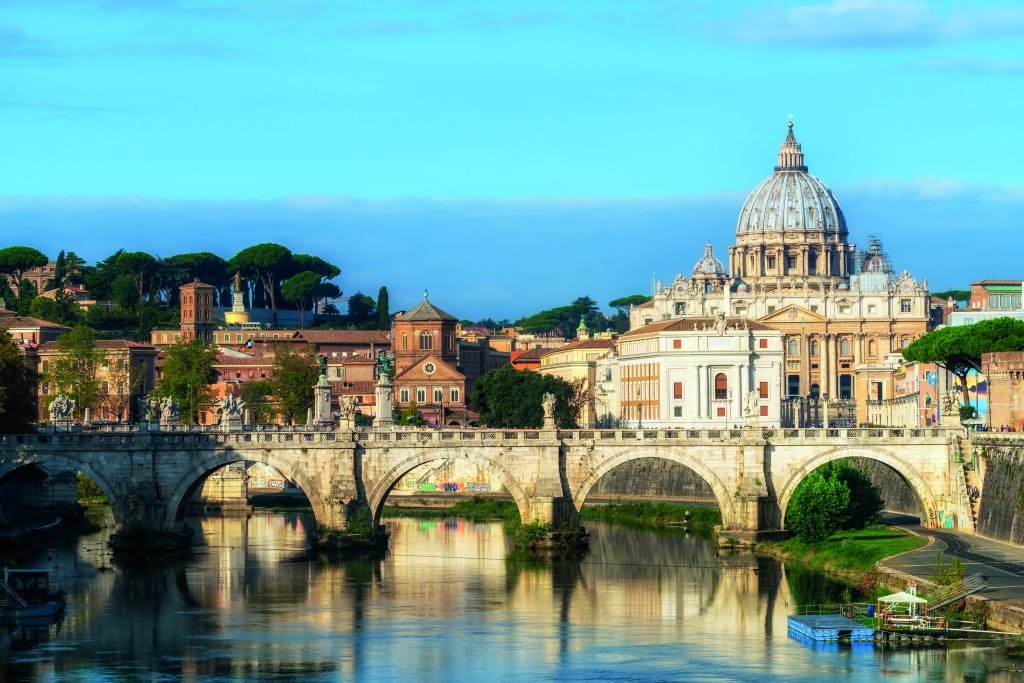
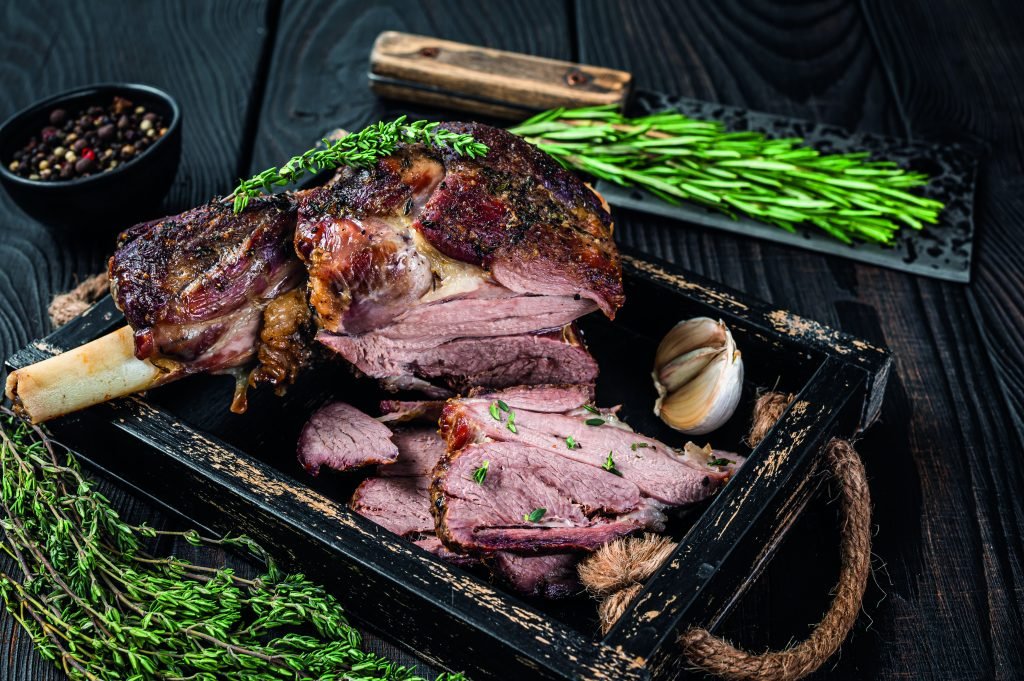
ROME: THE AROMA OF THE PARTY Roasted Lamb: The Tradition That Unites In Rome, Christmas is a leisurely meal. A banquet scented with bay leaves, white wine, and a blazing oven. Roast lamb with potatoes is the undisputed star of December 25th, an ancient recipe that has endured through the centuries without losing its power.
It's prepared at dawn, cooked slowly, filling the house with a scent that promises celebration. The tender and savory lamb is seasoned with rosemary, garlic, and a drizzle of extra virgin olive oil, while the potatoes slowly brown, soaking up the sauce and becoming a children's delight. Christmas in Rome knows no half measures: everything is generous, convivial, and noisy. Before the lamb, come the cappelletti in brodo, the golden fried dishes, the crispy puntarelle with anchovies.
Then the table becomes a theater: toasts, laughter, family bonding. And when the lamb finally arrives, it's as if the celebration truly comes to life. It's not just a dish, it's a declaration of identity: the quintessential Roman ability to transform simplicity into art, the everyday into ritual. Outside, the Tiber flows slowly. Inside, the city celebrates itself—between the flavor of tradition and the embrace of Christmas.
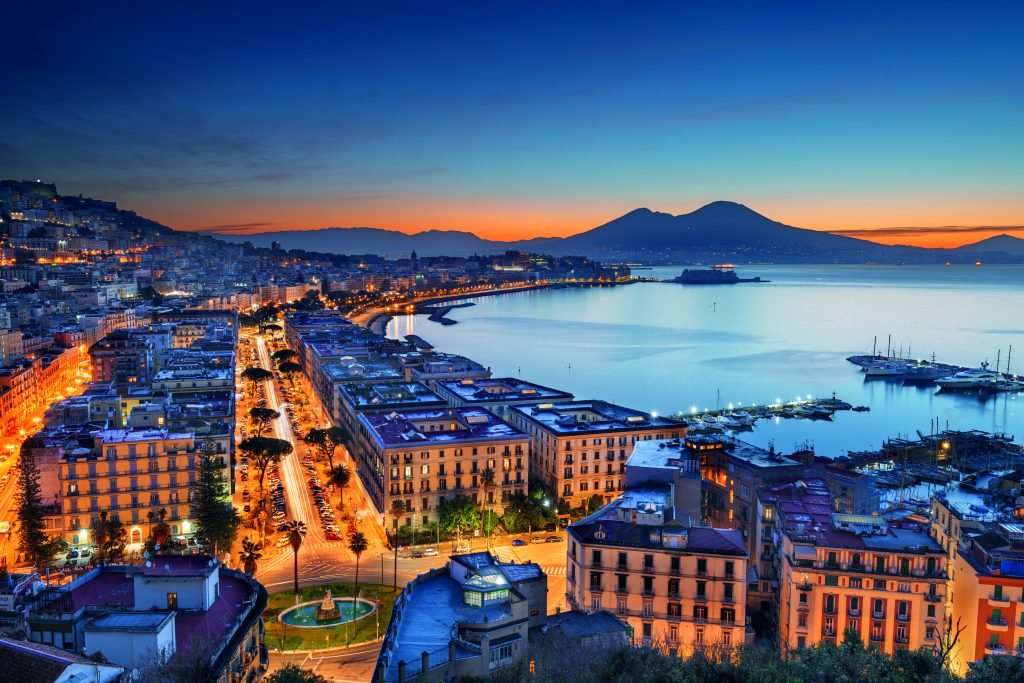
NAPLES: THE SEA RITUAL Fried Capitone: THE EVE THAT DRIVES AWAY EVIL In Naples, the true magic doesn't happen on the 25th, but on Christmas Eve. It's an ancient, almost mystical celebration, combining the sea, faith, and superstition.
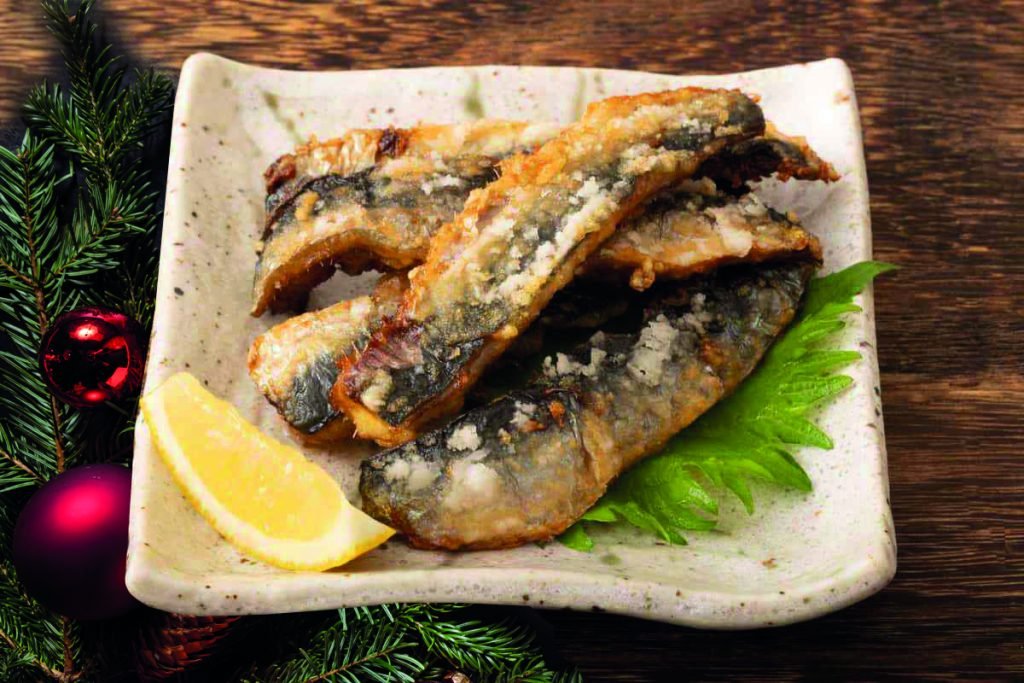
The star of the show is the capitone, the female eel, fried or stewed, a symbol of good luck and renewal. In Neapolitan homes, the ritual begins in the afternoon: the live fish is chosen, cleaned, cut into pieces, and fried in abundant boiling oil. This gesture has for centuries represented the victory of good over evil, the purification before the birth of the Child.
Alongside the capitone, the table fills with seafood: fried cod, mixed salad, broccoli, spaghetti with clams, struffoli, and roccocò. It's a symphony of flavors that smells of joy and home, of illuminated alleys and windows open to the night.
Eating capitone is part of a collective ritual, as ancient as the city itself: a superstitious and familiar act that renews the bond between the people and their sea.
In Naples, Christmas cooking is never just a pleasure: it's a sense of belonging, a promise renewed every year. And when, after Christmas dinner, the bells ring at midnight, the tables are empty, but the air remains filled with the aromas.
Christmas has arrived, and with it that sense of life that only Naples can transform into emotion.