THE E-TYPE WAS NOT JUST A DREAM ON FOUR WHEELS, BUT A BEAUTY SUCH AS TO IGNITE THE DESIRE TO OWN IT, COMBINING ELEGANCE AND POWER AND MANIFESTING THEM ON EVERY STRAIGHT AND CURVE.

There are cars that become icons, indelible symbols of an era and a lifestyle. Among these, the Jaguar E-Type It occupies a place of honor, so much so that Enzo Ferrari called it "the most beautiful car ever." This recognition speaks volumes about the revolutionary nature of this car, which, upon its debut in 1961, redefined the very concept of a sports car.
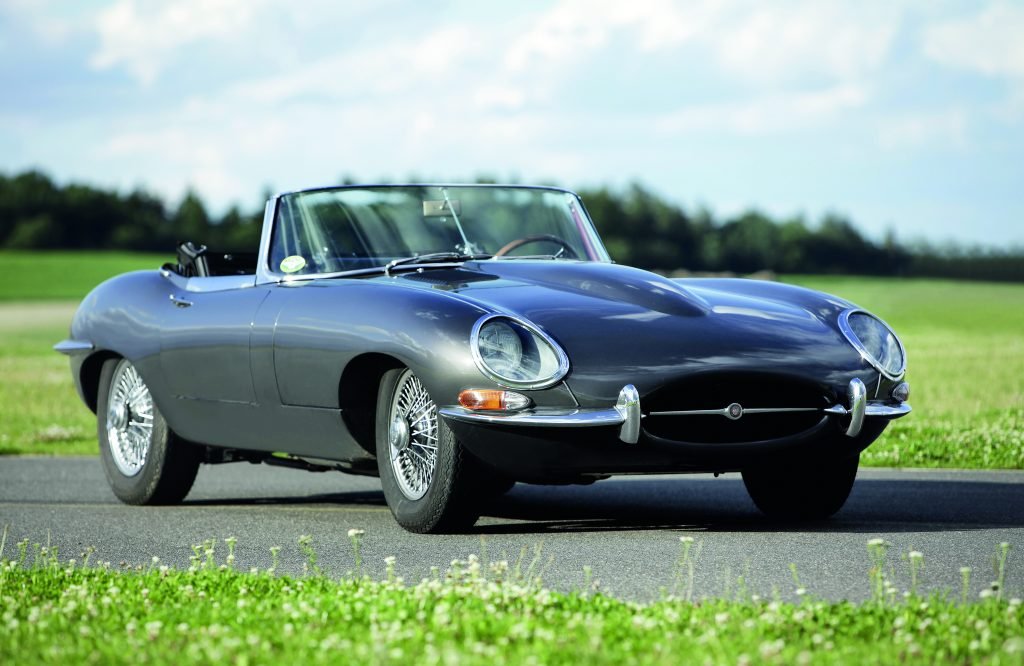
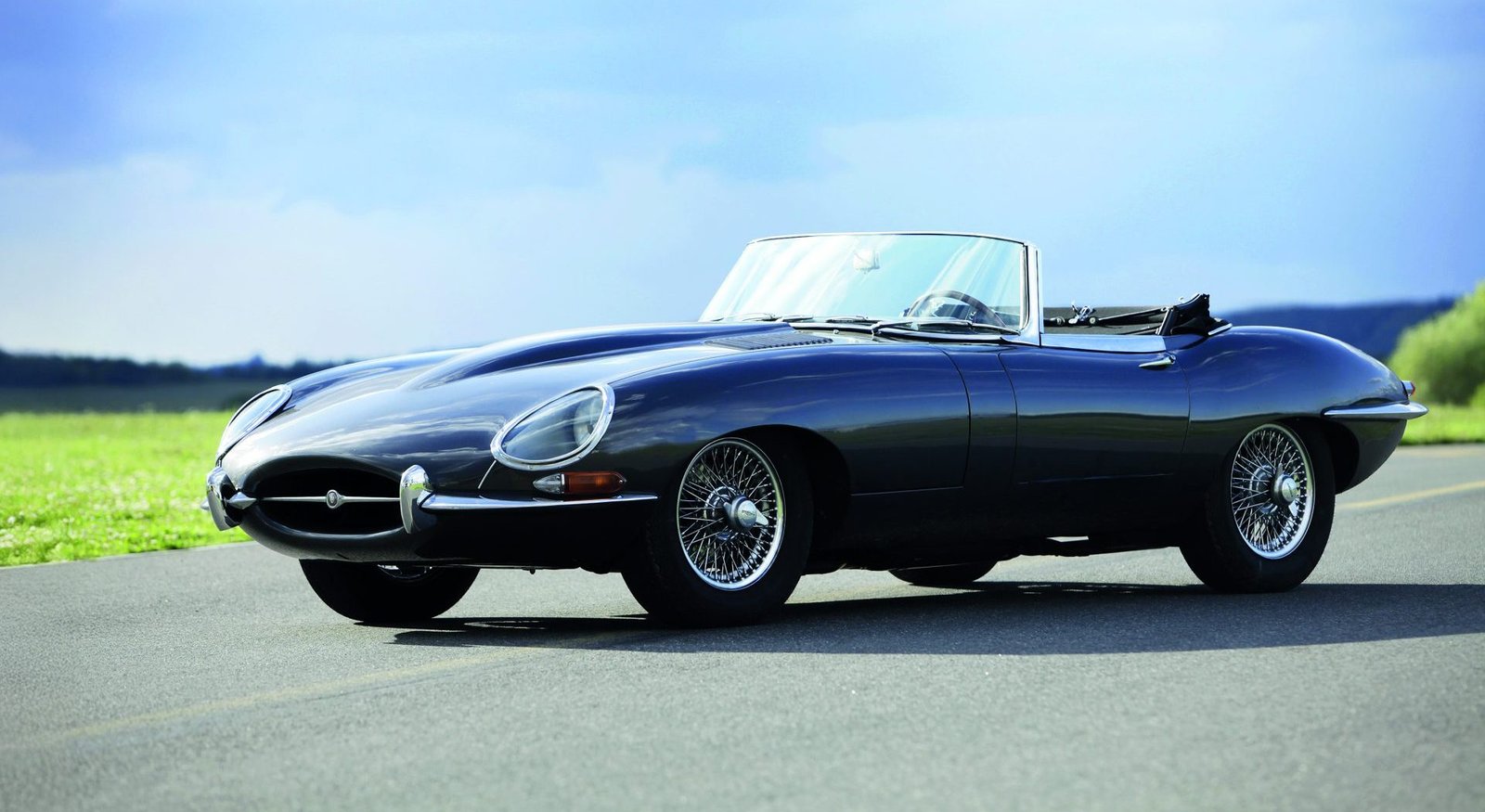
ELEGANCE AND SPORTINESS: A PERFECT COMBINATION The Jaguar E-Type is the embodiment of aesthetic perfection applied to speed. Its streamlined design, characterized by a long bonnet, sinuous lines, and headlights embedded in the bodywork, draws direct inspiration from the British manufacturer's legendary racing cars. The result? A car that combines elegance and aerodynamics in extraordinary balance. The credit for this stylistic masterpiece goes to Malcolm Sayer, the aerodynamic engineer who designed the E-Type, applying his knowledge of aerodynamics gained in aviation. But the E-Type was more than just beauty. Beneath that captivating profile beat a beating heart capable of delivering incredible performance. The six-cylinder in-line engine, 3.8 liters in the early versions and later increased to 4.2 liters, guaranteed a top speed of over 240 km/h, an extraordinary figure for the time.
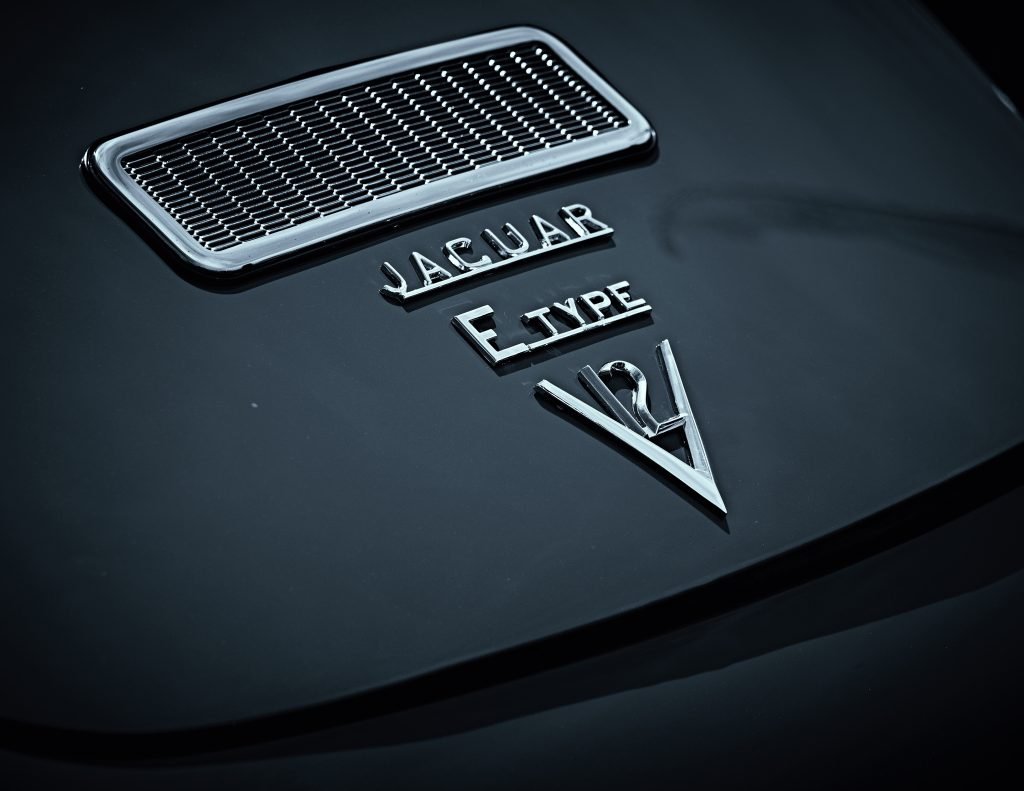
THE CHARM OF THE V12 If the first series conquered the world for its agility and power, in 1971 Jaguar decided to raise the bar even further by introducing the V12 engine from 5.3 liters. With this new configuration, the E-Type not only became even more powerful and smooth to drive, but also strengthened its status as a high-performance luxury car. The roar of the V12 It added an unmistakable sonic charm, capable of thrilling anyone who was behind the wheel or simply listening to its passage.
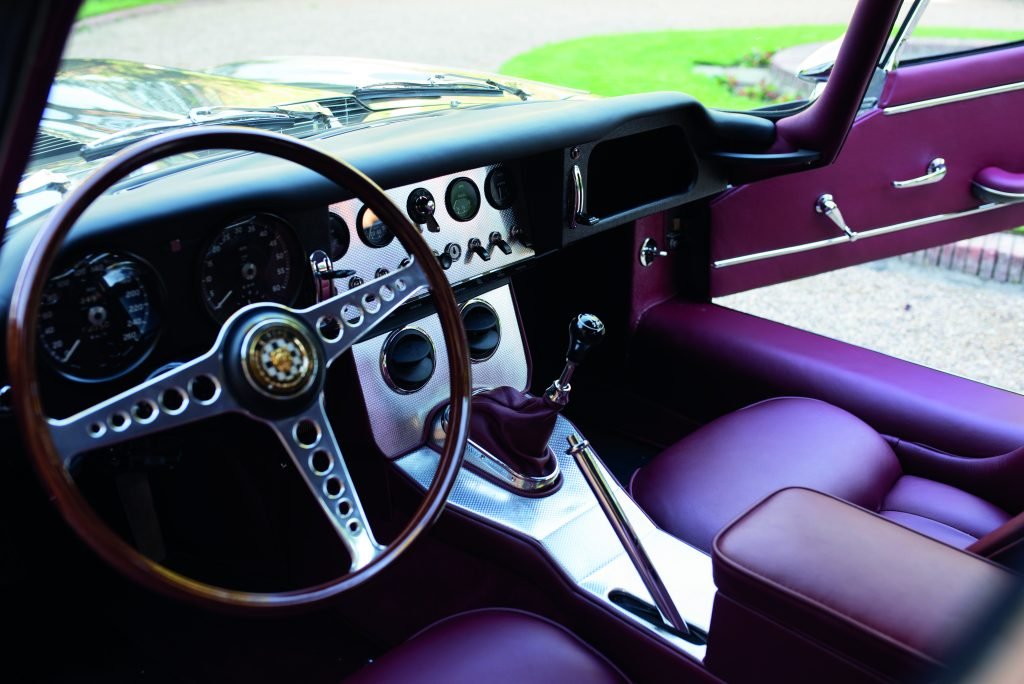
COUPE OR CABRIO: A MASTERPIECE FOR EVERY TASTE Available in coupé and roadster versions, the Jaguar E-Type satisfied the tastes of a sophisticated and demanding clientele. The coupé offered a sleek design and greater spaciousness for long journeys, while the roadster allowed for an open-air driving experience, further enhancing the connection between man, machine, and road. Today, the Jaguar E-Type remains a timeless icon, a car that has written sports car history and continues to thrill enthusiasts. Among museums, private collections, and classic car events, its elegance and revolutionary spirit never cease to fascinate, proving that true legend endures with age.