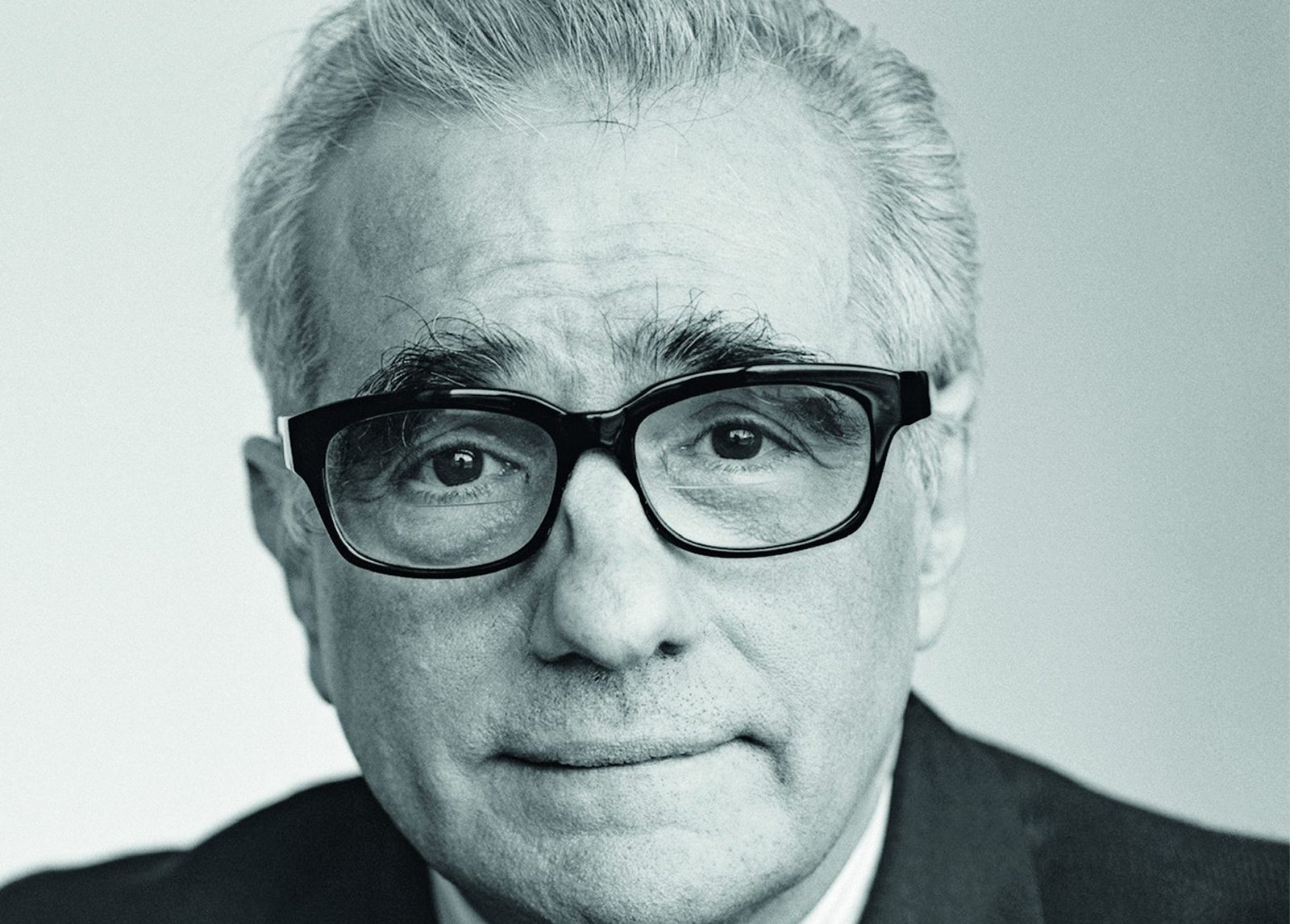
MARTIN SCORSESE'S CINEMA BETWEEN FAITH, VIOLENCE, AND REDEMPTION: A VISCERAL JOURNEY INTO THE HEART OF A TORMENTED HUMANITY THAT HAS REWRITTEN THE RULES OF VISUAL LANGUAGE AND COLLECTIVE MEMORY.

There is a cinema that entertains, a fleeting glimpse of images that vanishes when the lights come back on in the theater, and then there is the cinema that marks, that leaves an indelible mark on the collective memory. The cinema of Martin Scorsese He unhesitatingly belongs to this second dimension: a powerful, visceral, and profoundly human narrative universe. Considered one of the greatest directors of all time, Scorsese has crafted a unique language over time, capable of spanning decades and generations without ever losing an ounce of its primordial intensity.
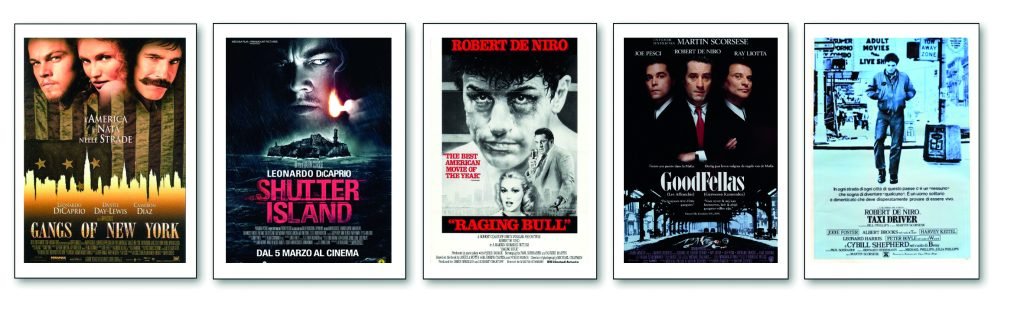
Born in 1942 in New York, in the neighborhood of Little Italy, The son of Italian immigrants, Scorsese has always rooted his stories in the brutal yet vibrant reality of the street. Raised amidst the incense-filled smell of Catholic churches and the silent violence of Italian-American neighborhoods, he transformed these influences into a poetics of contradiction. His cinema is a one-way journey into the cracks of the human soul, where good and evil, faith and sin, coexist in precarious balance. Films like Taxi Driver, Raging Bull, and Goodfellas are not simply cinematic works, but veritable cultural frescoes that have redefined the language of the silver screen, bringing Greek tragedy to the sidewalks of Manhattan.
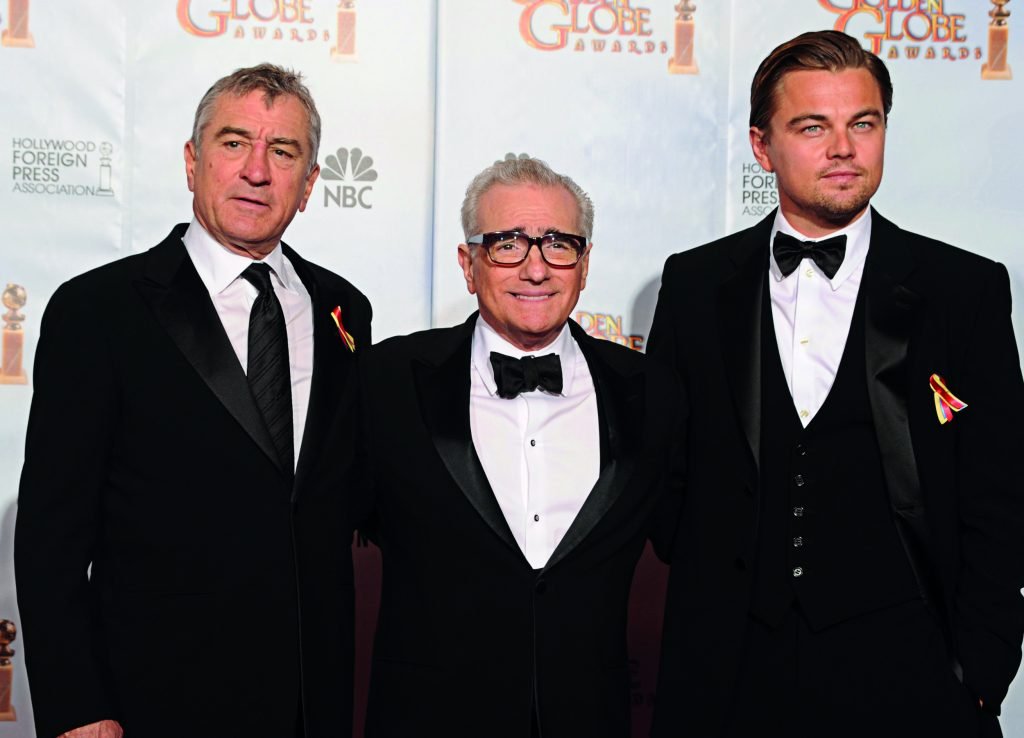
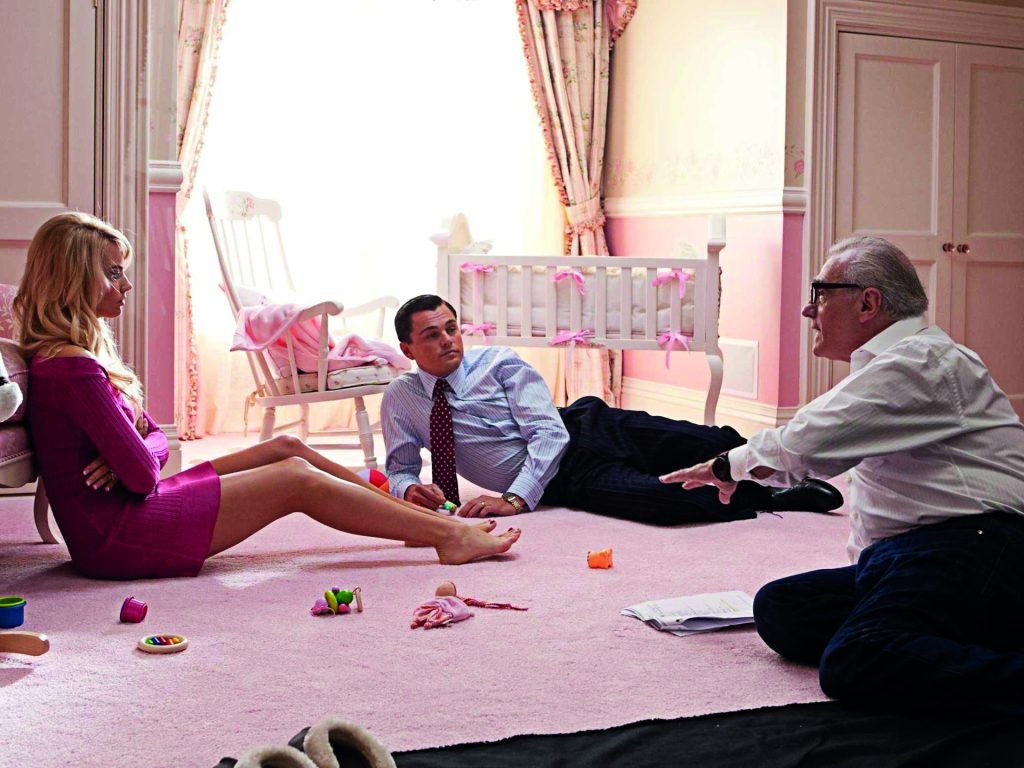
At the centre of his creative universe shines an artistic collaboration that has made history: the one with Robert De Niro. Together, the director and the actor have created iconic and tormented characters. Travis Bickle, the alienated night vigilante, a Jake LaMotta, the boxer who destroys himself to atone for invisible sins, each interpretation has become the symbol of an era. In more recent years, Scorsese has found a new alter ego in Leonardo DiCaprio. With him he has explored different territories, creating intense and refined works such as The Departed, The Wolf of Wall Street and Shutter Island, demonstrating an extraordinary ability to renew itself without ever betraying its stylistic identity.
Scorsese's style is instantly recognizable, a signature imprinted on every frame. His camera movements are fluid and enveloping, often characterized by long takes that draw the viewer into the heart of the action.
The use of music is never in the background, but acts as a narrative counterpoint, while the editing of Thelma Schoonmaker, his longtime collaborator, sets the pace with a breathtaking, surgical precision. But it's above all his ability to delve into the psychology of his characters that makes him unique. His protagonists are often men caught between unbridled ambition and an unstoppable tendency toward self-destruction.
Beyond the camera, Scorsese is also a tireless guardian of memory. Through the foundation of organizations such as The Film Foundation, is committed to the preservation of classic films, protecting the world's artistic heritage from the deterioration of time. For him, cinema is not just the present, but a continuous dialogue with the past, a sacred bond that unites the pioneers of yesterday with the storytellers of tomorrow.
What makes Scorsese a living legend is his vision: a cinema that doesn't just narrate, but delves, questions, and provokes. It's an art that lives on through time, like a great novel that never ceases to reveal new meanings with each reading. In an age dominated by speed and rapid consumption, Martin Scorsese's cinema remains a place of depth and reflection. A shining beacon that continues to guide, with undiminished passion, the great narrative of world cinema.