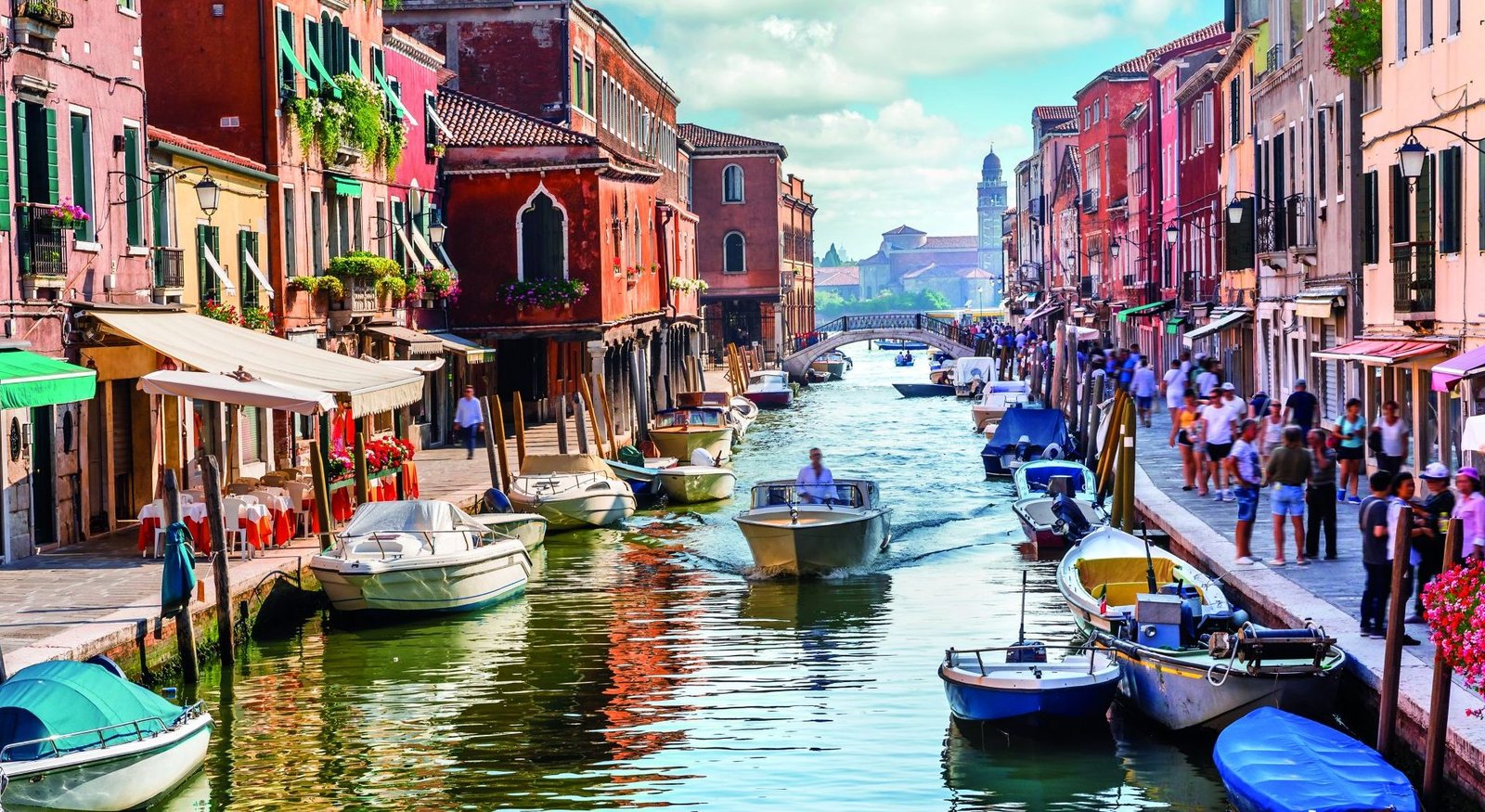
IMMERSED IN THE VENICE LAGOON, MURANO IS A PLACE WHERE TIME SEEMS TO HAVE STOPPED TO CELEBRATE A THOUSAND-YEAR-OLD TRADITION: THE ART OF GLASS.

For over seven centuries, this small island has been synonymous with artisanal excellence and artistic innovation, an open-air laboratory where craftsmanship intertwines with creativity, giving life to works that adorn museums, private collections, and homes around the world.
A story of light and fire Glass processing has arrived at Muranor in 1291, when Venetian glassmakers were forced to move their furnaces to the island to avoid the risk of fires in the city. It was the beginning of an extraordinary era: since then, Murano has become the beating heart of an art passed down from generation to generation, keeping secrets and techniques jealously guarded. From the creation of clear crystal to porcelain-like milk glass, to glassblowing and murrine techniques, Murano's master glassmakers have perfected an aesthetic language capable of combining tradition and modernity.
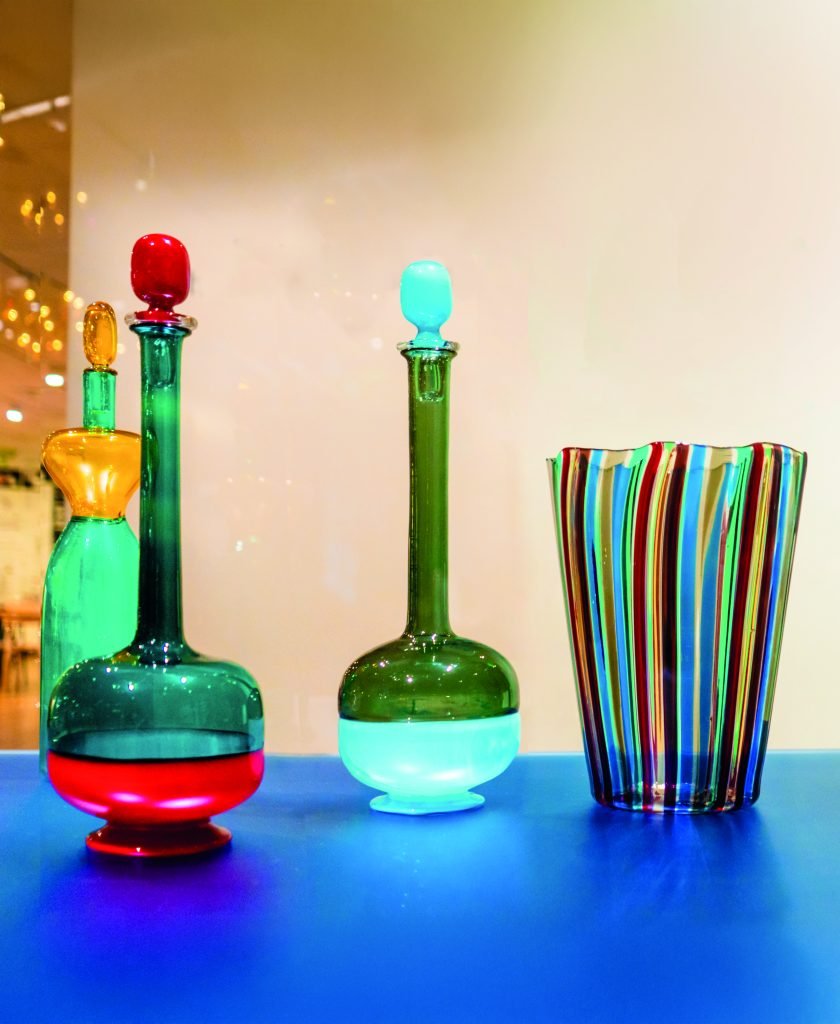
Murano and design: a timeless encounter The art of Murano glass has fascinated some of the greatest designers and architects of the twentieth century, who chose this island as a source of inspiration and production site for their masterpieces. Gio Ponti, an icon of Italian design, was among those who collaborated with the Murano glassworks, creating extraordinary works that blend elegance and functionality. His glass creations, often characterized by essential lines and vibrant colors, are now housed in prestigious museums such as the MoMA in New Yorkke the Victoria & Albert Museum, London.
Other protagonists of the international art scene, such as Carlo Scarpa, Fulvio Bianconi, and Tobia Scarpa, have reinterpreted the art of glass with an innovative approach, experimenting with new forms and techniques. Their works demonstrate how Murano has been not only a custodian of tradition, but also a laboratory of avant-garde art and technology.
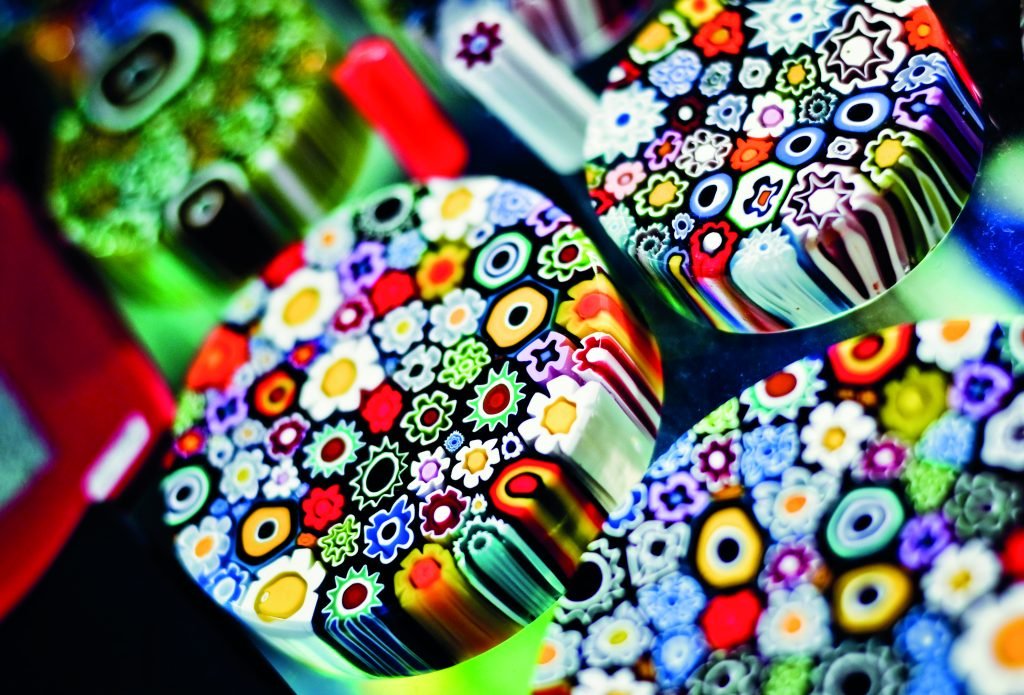
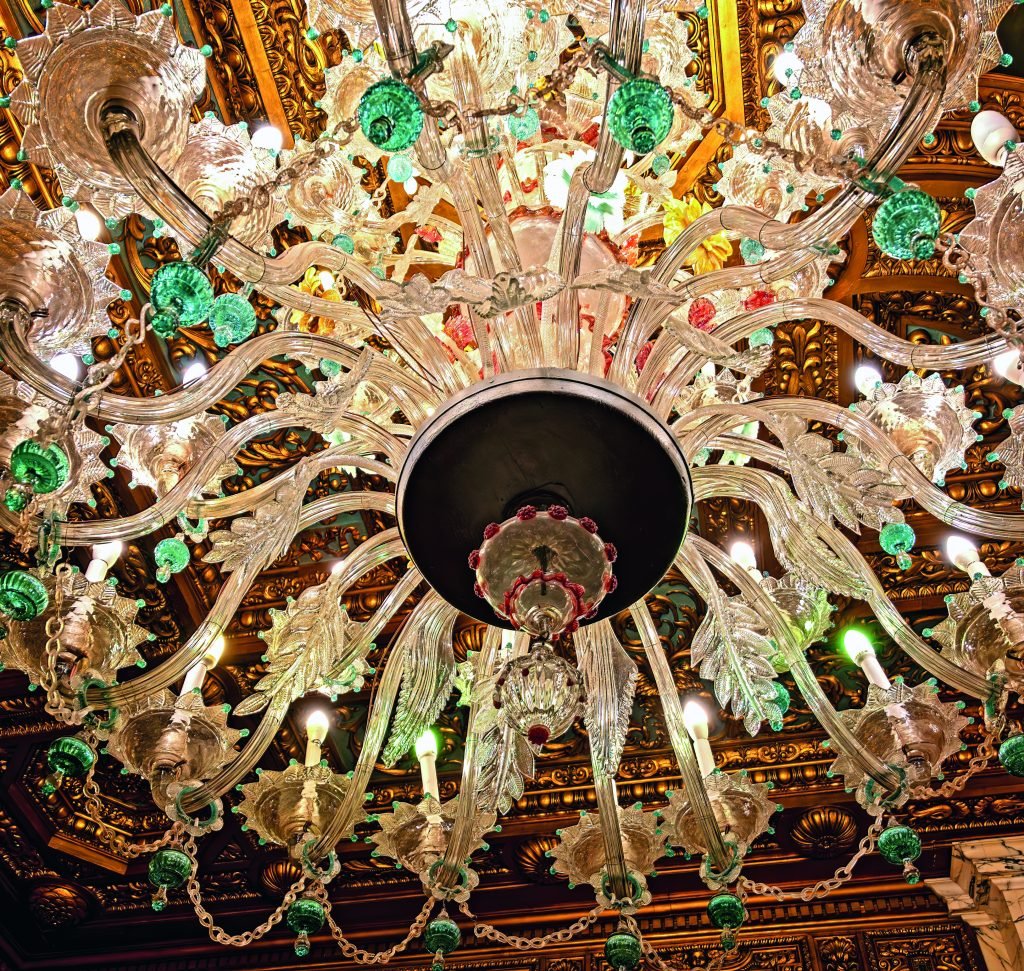
Every piece of Murano glass is unique, a tale of light, color, and craftsmanship. Venini lamps, sculptures by Barovier & Toso and the vases of SegusThey represent not only objects of extraordinary beauty, but also testimonies to an unparalleled cultural heritage. Murano objects are often chosen to furnish prestigious spaces and luxury residences, thanks to their ability to transform a space into a living work of art. Today, the art of Murano glass is threatened by competition from industrial products and low-cost imitations. However, the historic furnaces and master glassmakers continue to proudly defend their heritage, combining ancient knowledge with a renewed creative spirit. The island of Murano remains a symbol of excellence and a reference point for those seeking true luxury: the authentic beauty of a handmade object.
A visit to Murano: a journey into magic Visiting Murano means immersing yourself in a world where art takes shape amid the heat of the furnaces and the glow of molten glass. Strolling through the workshops and laboratories, you have the opportunity to admire the master glassmakers at work, a breathtaking experience. The Glass Museum, located in Palazzo Giustinian, offers a fascinating journey through the history and evolution of this extraordinary art, exhibiting pieces spanning from antiquity to the present day. Murano is not just a place, but an idea, a symbol of how human creativity can transform the fragility of glass into a message of eternity. Its creations continue to inspire artists, designers, and lovers of beauty around the world, carrying on a tradition that is both heritage and promise for the future. A trip to Murano is, therefore, an invitation to discover the beating heart of Venetian art, where every spark of light is a window onto a dream.