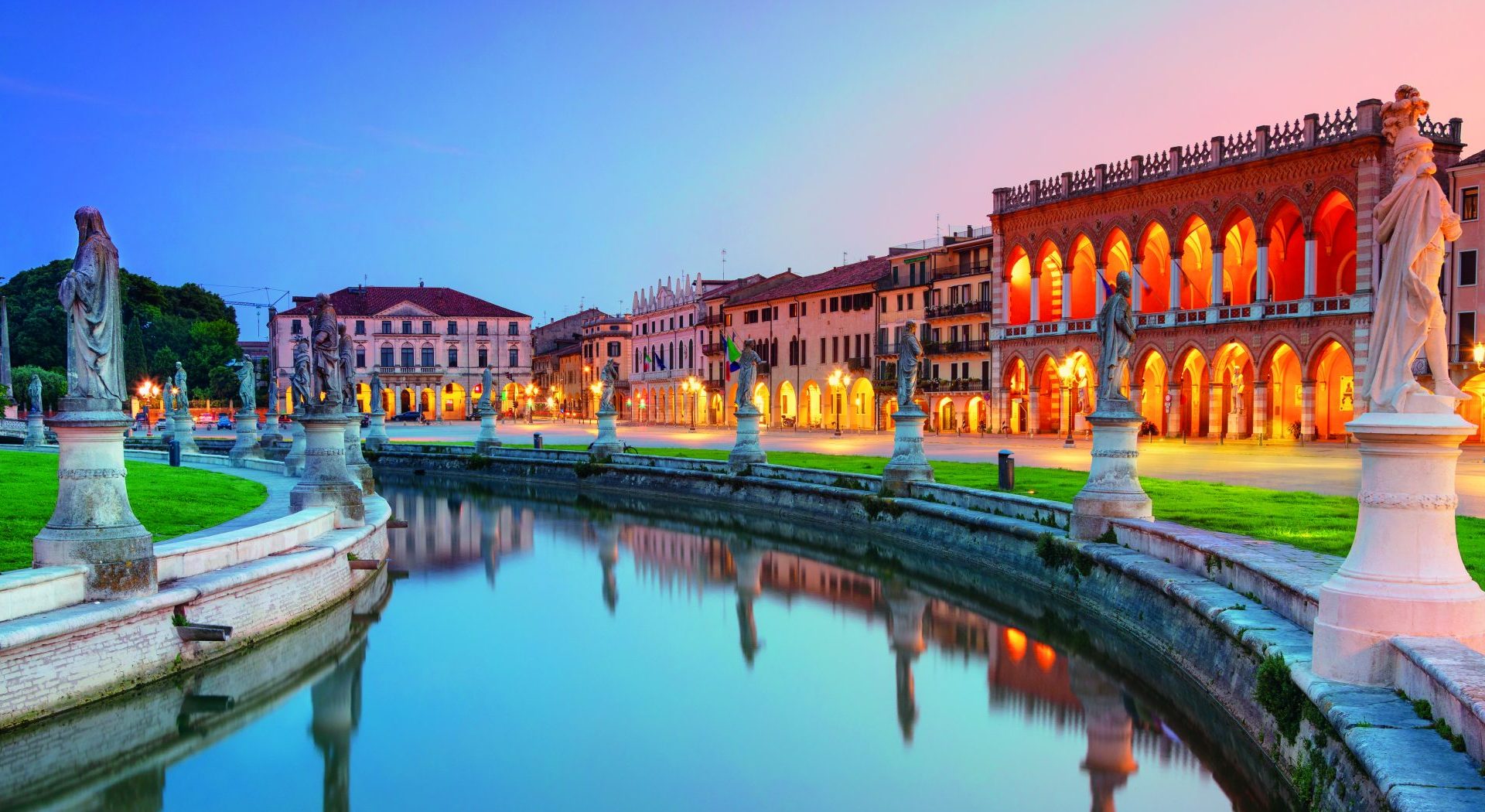
A JOURNEY INTO THE CITY'S SECRET SOUL, THROUGH ALLEYS, MEMORIES, AND HIDDEN BEAUTY. FOR THOSE WHO KNOW HOW TO LISTEN, MORE THAN LOOK.

There are cities that offer themselves to anyone. And then there is Padua. Reserved, dense, complex like an ancient book that you never finish reading. You can hurriedly pass through it, as many do, attracted by the big names – Giotto, Galileo, the Saint – or you can stop. Breathe it in. Walk within it slowly, eyes open, and a heart ready to listen.
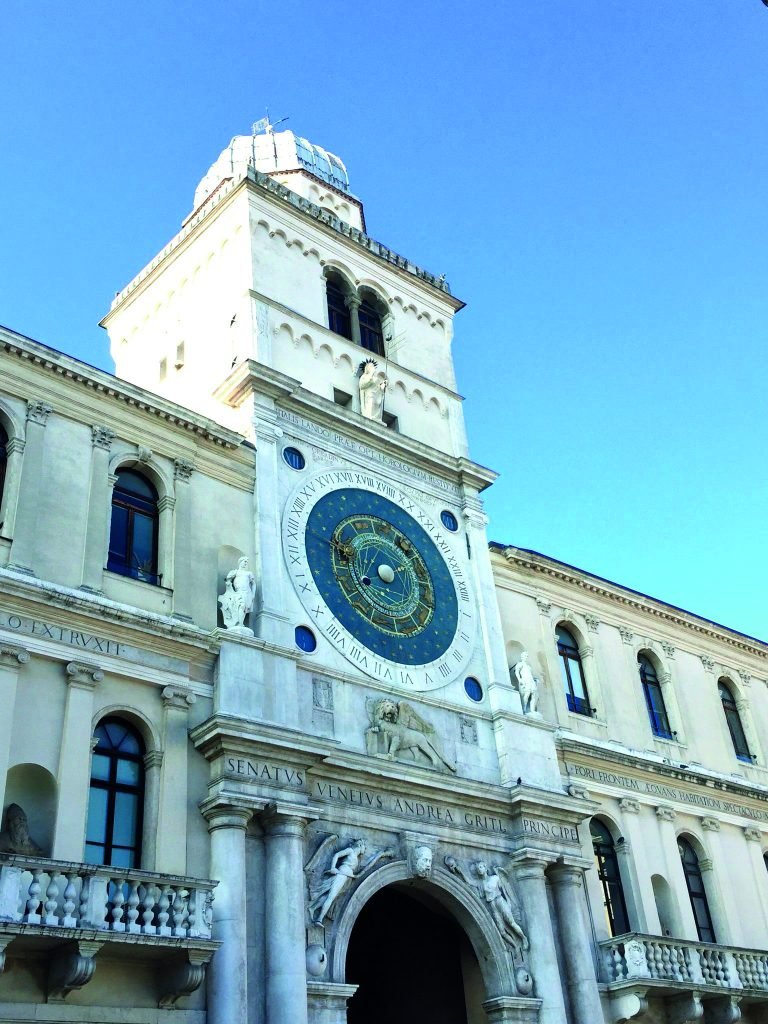
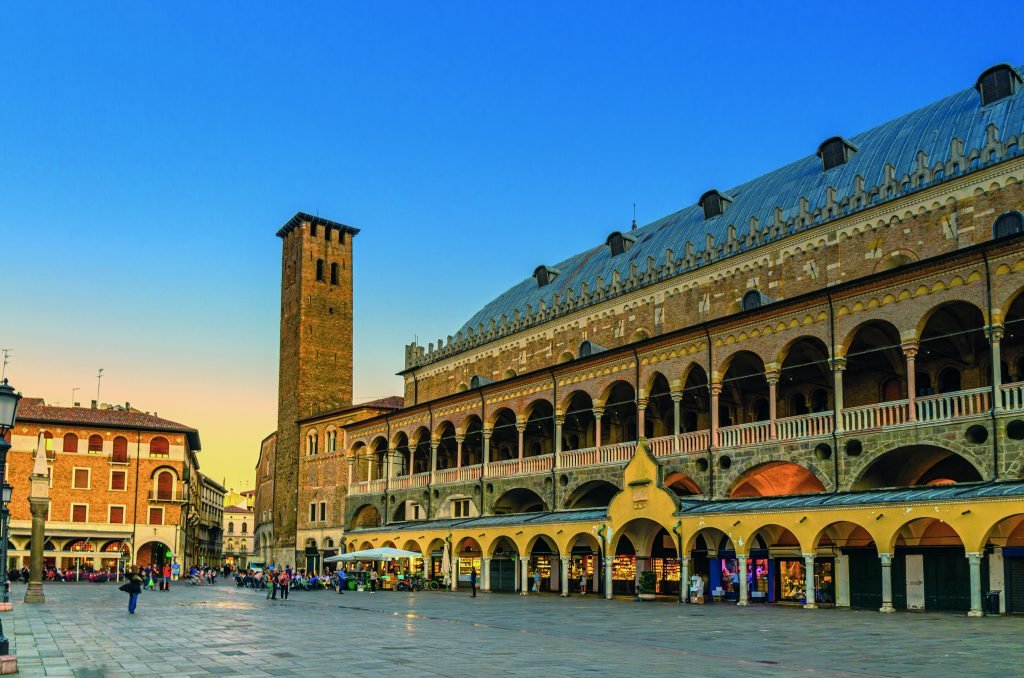
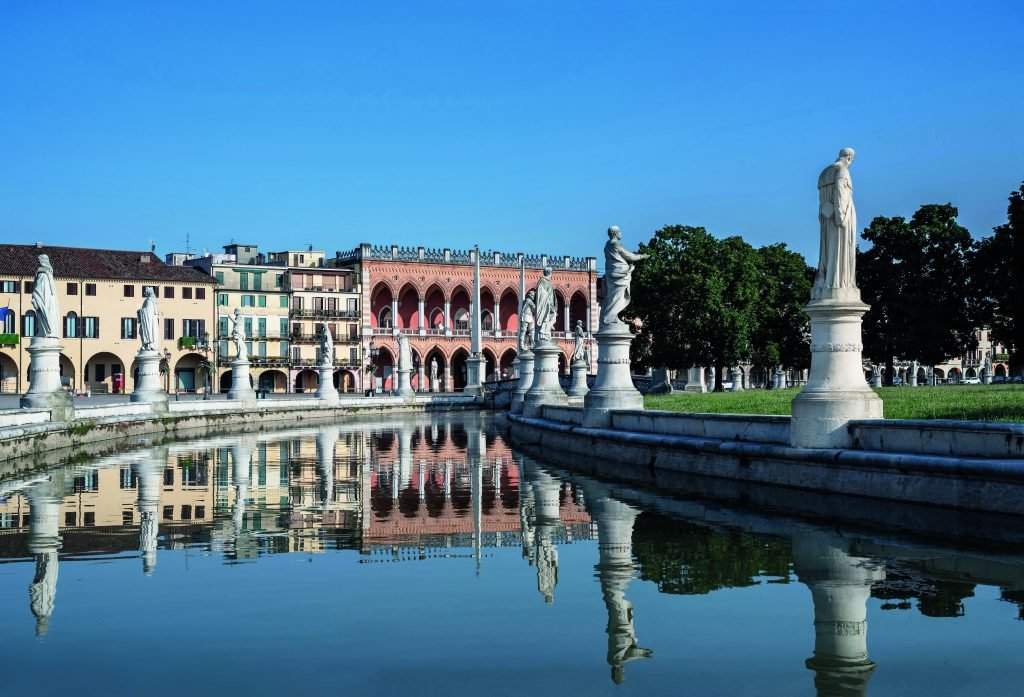
Padua doesn't like to show off. It's a city that reveals itself only to those who seek it with gentle curiosity, with the sensitivity of those who love to discover not only what they see, but what they feel. It's not enough to look at it: you have to listen to its stones, follow the shadow of a portico, linger over a forgotten shop, a worn fresco, a scent that reveals a story. Founded, according to legend, by Antenor, A Trojan prince fleeing from Ilium, Padua has spanned three millennia like an aristocrat whose voice retains the timbre of its grandeur. It was a proud Roman city, a cradle of jurists and physicians in the Middle Ages, and the capital of a small but influential state in the fourteenth century under the Carraresi. Its University—the second oldest in Europe—welcomed Galileo Galilei and hosted Elena Cornaro Piscopia, the first woman in the world to graduate. But what truly makes Padua unique is its ability to capture every era, every story, every echo of beauty without ever shouting it. Every alleyway tells a story, every courtyard conceals, every fresco whispers. Herbs Square, Fruit Square, Lords Square: names that tell of markets, trade, and encounters. They are lively squares, still bustling every morning with the voices of vendors, amidst intense aromas and ancient gestures. Towering above all, the Palazzo della Ragione, which the Paduans call “the Hall”. Inside, a single, seemingly suspended wooden hall, 81 meters long, frescoed with astrological symbols, zodiac signs, and allegories: a painted universe encapsulating medieval knowledge. It is said that here, beneath the great wooden horse, members of the city's most powerful families met in secret to share their destinies and fortunes.
Not far away, the Loggia della Gran Guardia and the Loggia del Capitaniato, designed by Palladio, tell the story of a Paduan Renaissance of understated elegance, of geometric forms that interact with the daylight. It is among these buildings that one can sense the ancient grandeur, never ostentatious, that still permeates the historic center.
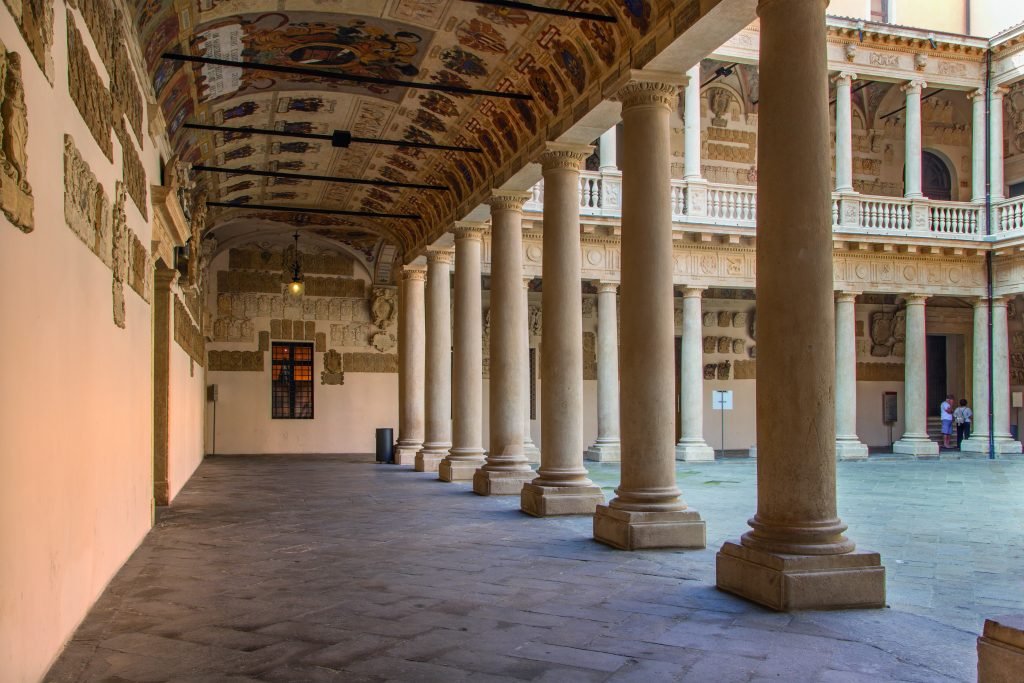
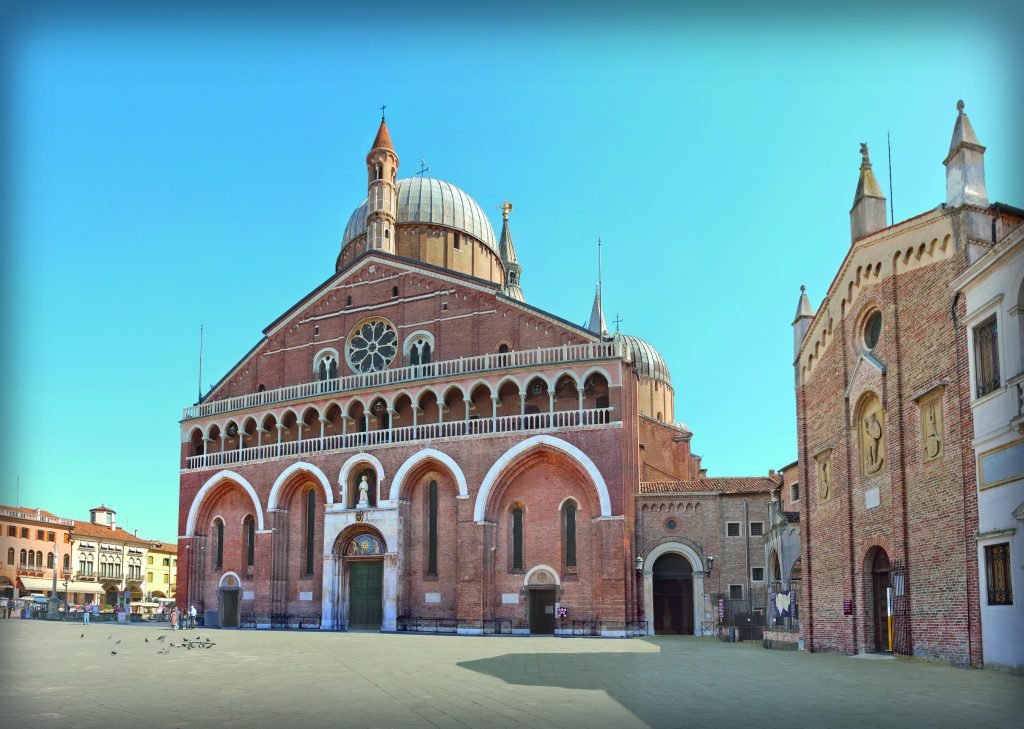
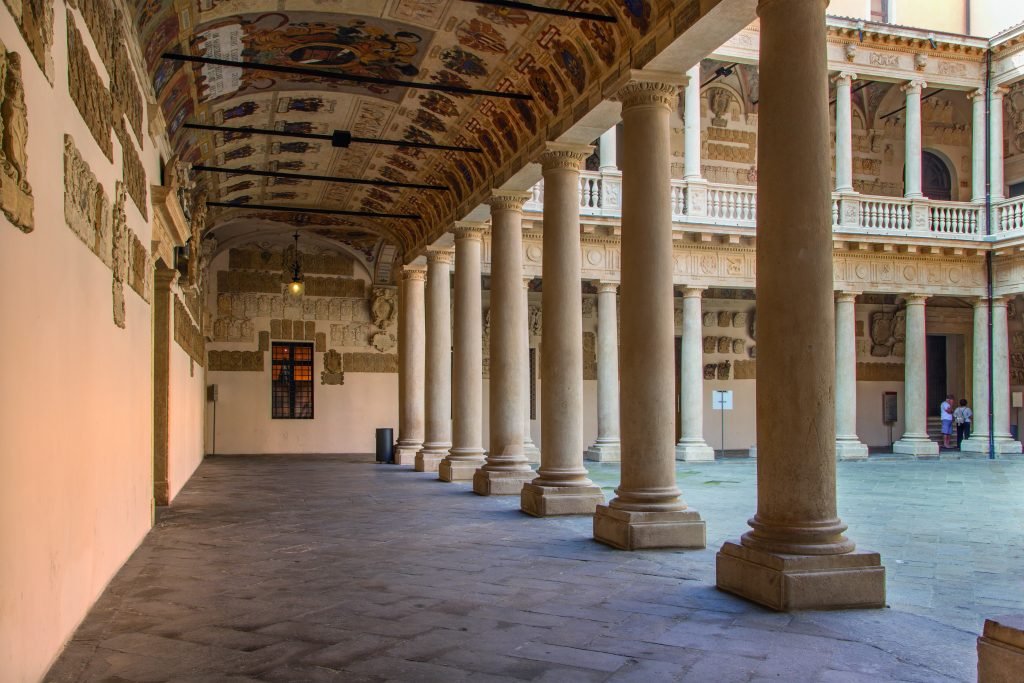
The Scrovegni Chapel It is the spiritual heart of the city: a masterpiece by Giotto that transforms the pictorial cycle into a prayer.
Every scene, every gesture is pure theater, controlled emotion. But Padua doesn't stop with Giotto. The Baptistery of the Cathedral, frescoed by Giusto de' Menabuoi, is another forgotten wonder: its Paradise, in the dome, is a mystical vision that leaves you breathless. Even more hidden, the frescoes of the CIVIC MUSEUM to the Hermits, those of the Carrarese Palace and the cycles in the complex of the Basilica del Santo offer silent visitors a widespread gallery, to be explored as if in a whisper.
For those who want to discover the true side of Padua, we suggest a route you won't find on official maps. Start on Via San Martino and Solferino, where every building has a soul, every doorway a secret. Stop at Drogheria Preti, one of the city's oldest shops: the smell of spices, dark wood, and childhood memories. Continue along Via Santa Lucia, quiet and poetic, past small art galleries, print shops, and the historic Cartoleria Tassotti, which still stocks handmade paper with 18th-century designs.
A little further on, in a hidden courtyard, is located The Little Garden, a delicate bistro where you can have lunch among flowers and porcelain. Then wander through the alleys of the Jewish Ghetto, one of the most fascinating and little-known places in the city. It is said that at night, during the full moon, the notes of a violin can still be heard coming from a third-floor window of an ancient building.
A sound that no one has ever been able to explain, but which many swear they've heard. Continue along Via Cesarotti, past small bookshops and vintage shops, until you reach the Treves de' Bonfili Park: romantic garden, enclosed by walls and protected by centuries-old lime trees, where it is said that the last descendant of the Treves family used to walk every day reading Rilke aloud.
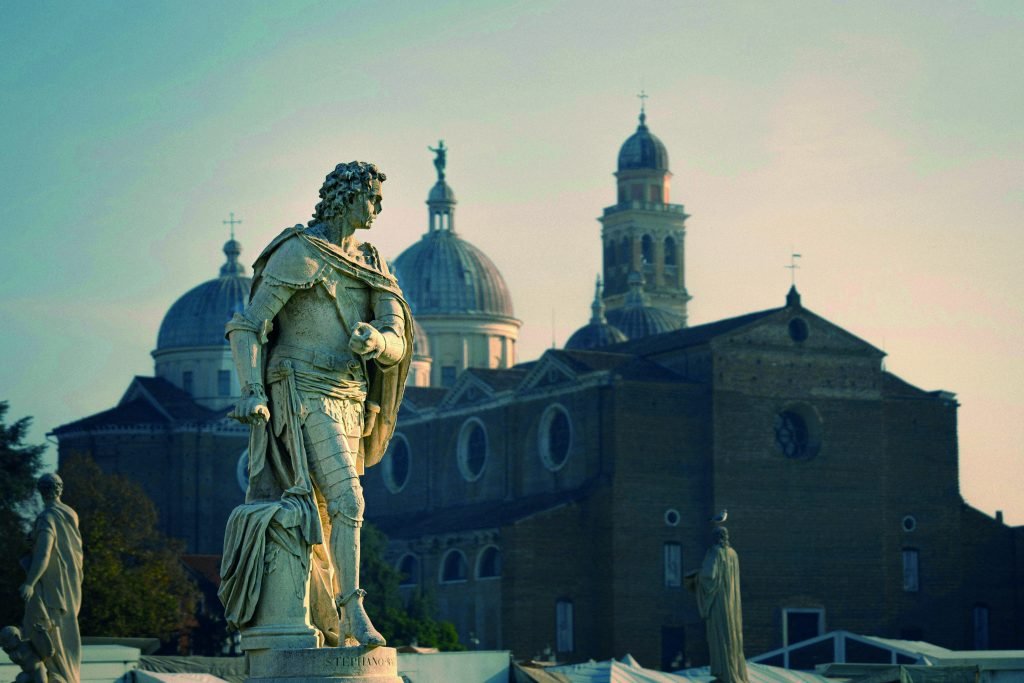
Padua is also a city of families. Carraresi, lords of the city in the 14th century, left behind palaces, towers and coats of arms. Papafava, the Dondi dell'Orologio, the Valle, the Zabarella: families who shaped the face of the city. If you can get one of their courtyards to open up—often still inhabited—you'll glimpse Italian gardens, ancient fountains, and small loggias where time stands still. Many say that in the living rooms of the palaces along Via San Francesco, every first Friday of the month, private gatherings are still held, featuring chamber music and poetry readings. Unpublicized, unpromoted: passed down only by those who know them. Padua isn't just to be seen: it's to be experienced with the senses. It's the scent of freshly baked bread. Giotto Bakery, the sound of the bells of the Church of the Eremitani, the light slanting through the arcades in the late afternoon. It's the silence of the Cloister of the Saint, the distant voice of a student reciting Dante in Piazza Capitaniato, the caress of the worn marble beneath the arcades.
Padua is for those seeking authentic beauty. For those who love to lose themselves in nameless streets, pause in front of a timeless shop window, listen to a story passed down through time, perhaps whispered by an old bookseller who speaks little but knows everything.
And just when you think you've discovered it, Padua will surprise you again. Because true cities, like the most fascinating people, never fully surrender.