BETWEEN MIGHTY BASTIONS AND GOLDEN DOMES, FROM THE GRAND HISTORY OF THE KNIGHTS OF ST. JOHN TO MARKETS, CAFES AND GLIMPSES OF THE GRAND HARBOUR, A CAPITAL THAT INTERWEAVES CULTURE, BEAUTY AND EVERYDAY LIFE IN A STORY MADE OF LIGHT, COLORS AND MEDITERRANEAN HARMONY.
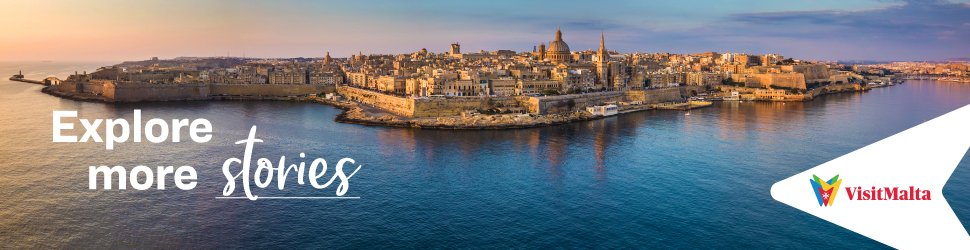
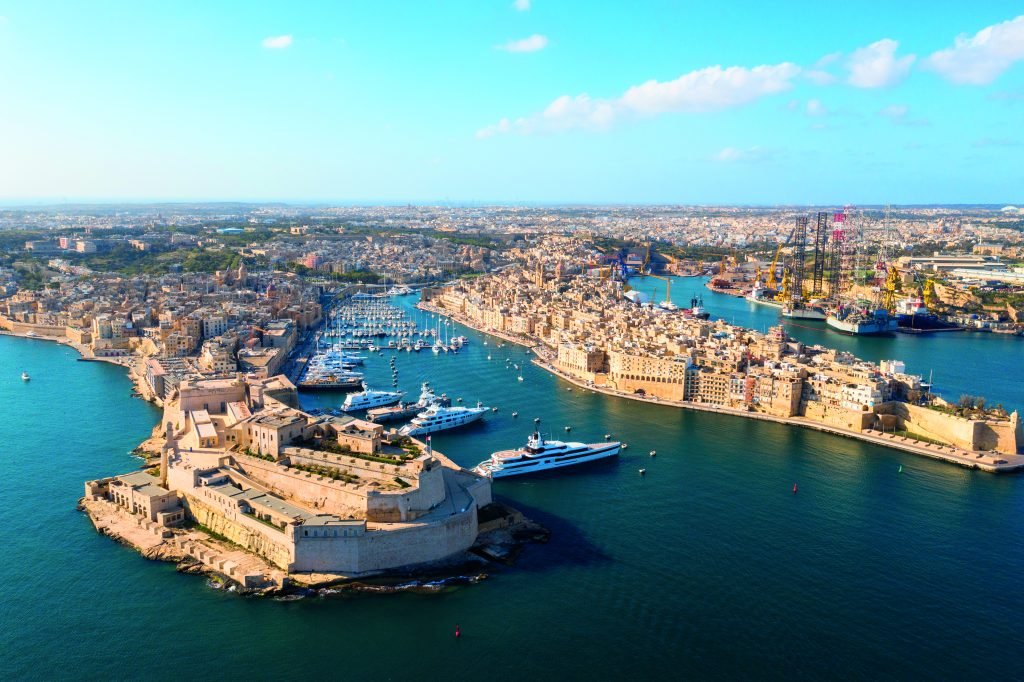
In the heart of the Mediterranean, suspended between Europe and Africa, stands Valletta, one of the smallest and most fascinating capitals in the world. Declared a World Heritage Site by’UNESCO, The city is a perfect blend of golden stone and cobalt-blue sea, of history and rebirth, of faith and art. A place to visit, but above all to experience—step by step, like a story etched into the bastions and domes that soar against the Maltese sky. Founded in 1566 by the Grand Master Jean de la Valette, The city was born as a symbol of gratitude and strength after the Great Siege of 1565, when the Knights of St. John heroically resisted the Ottoman Empire. Before Valletta, from 1530 to 1571, Malta's capital was Vittoriosa (Birgu in Maltese), and before that, until 1530, it was Mdina—the "silent city." The need for a new, impregnable stronghold thus led to the birth of Valletta, jutting out towards the sea and protected by cyclopean walls. The Three Cities—Vittoriosa, Senglea, and Cospicua—had already held the glory and suffering of a contested yet unconquered archipelago.
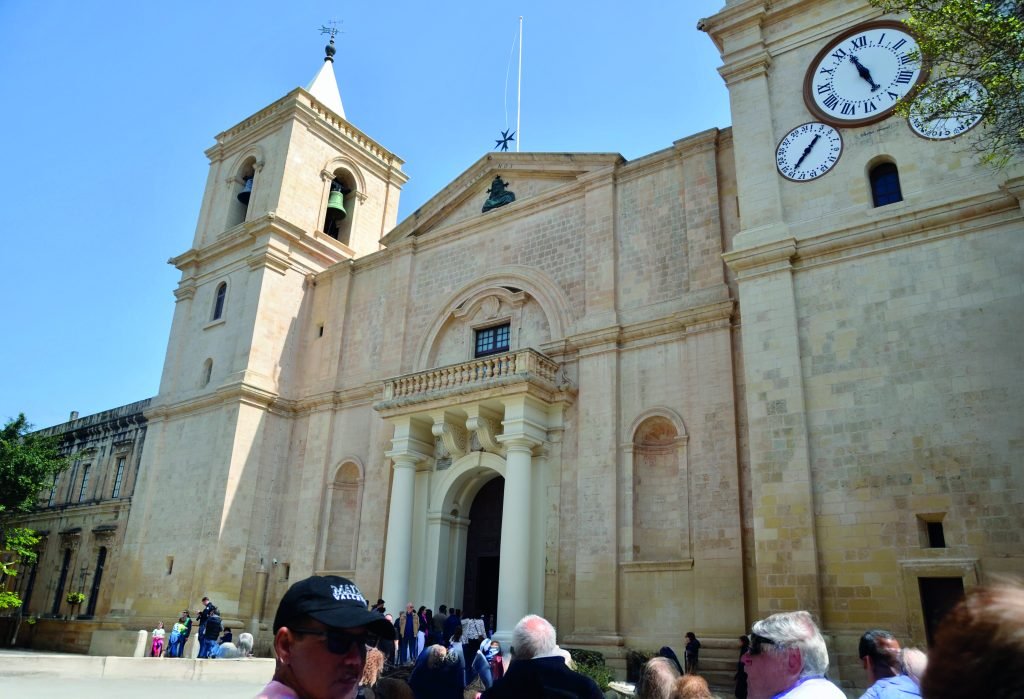
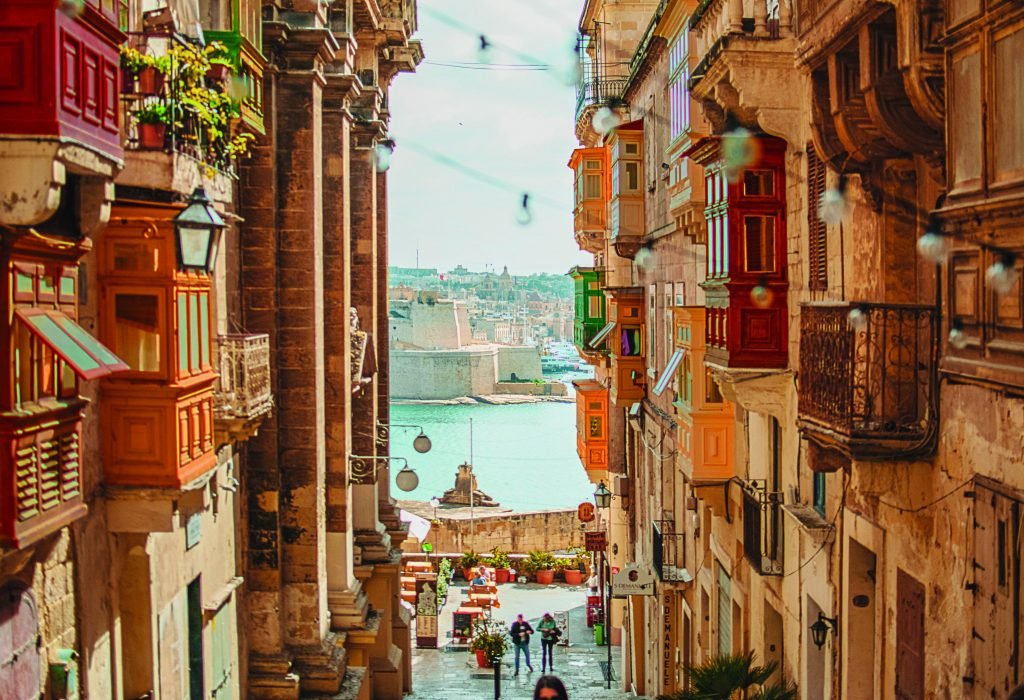
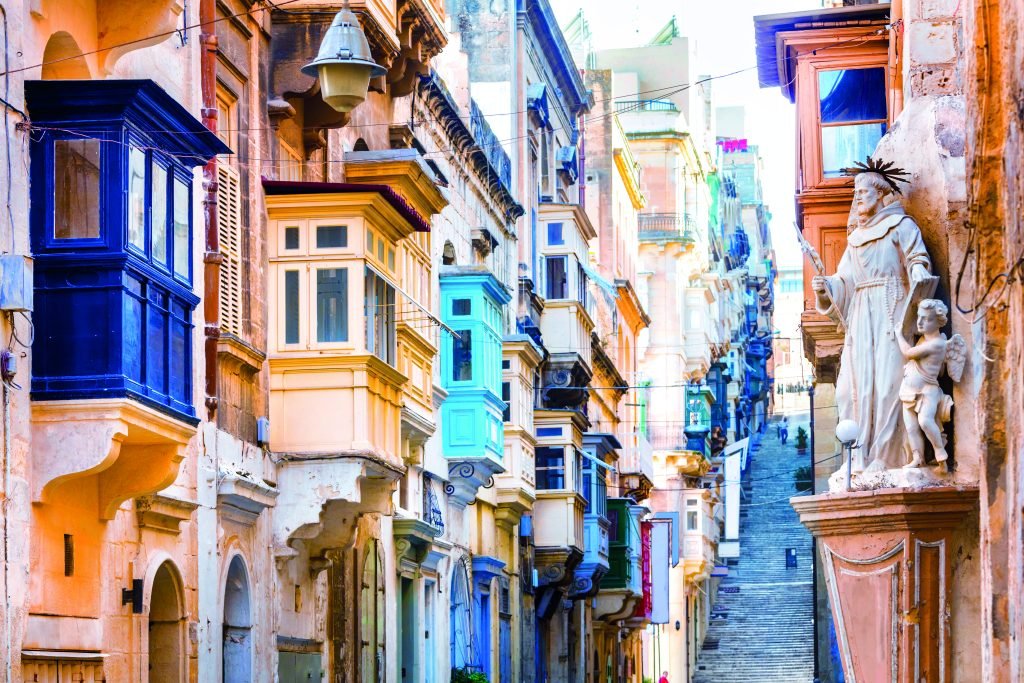
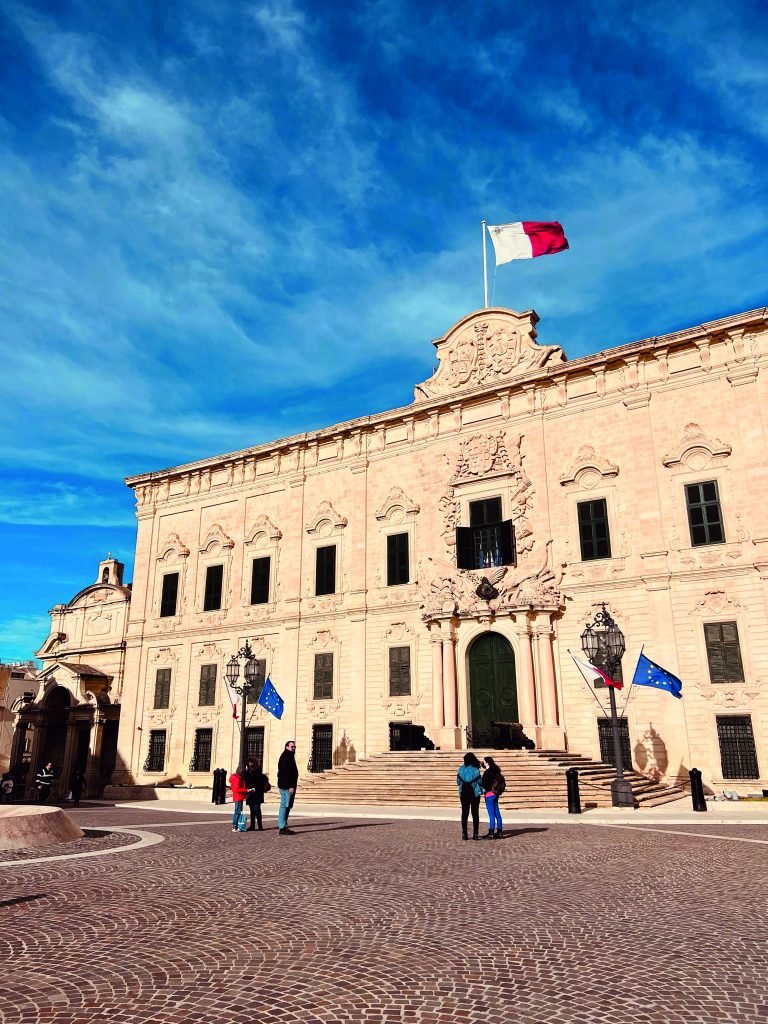
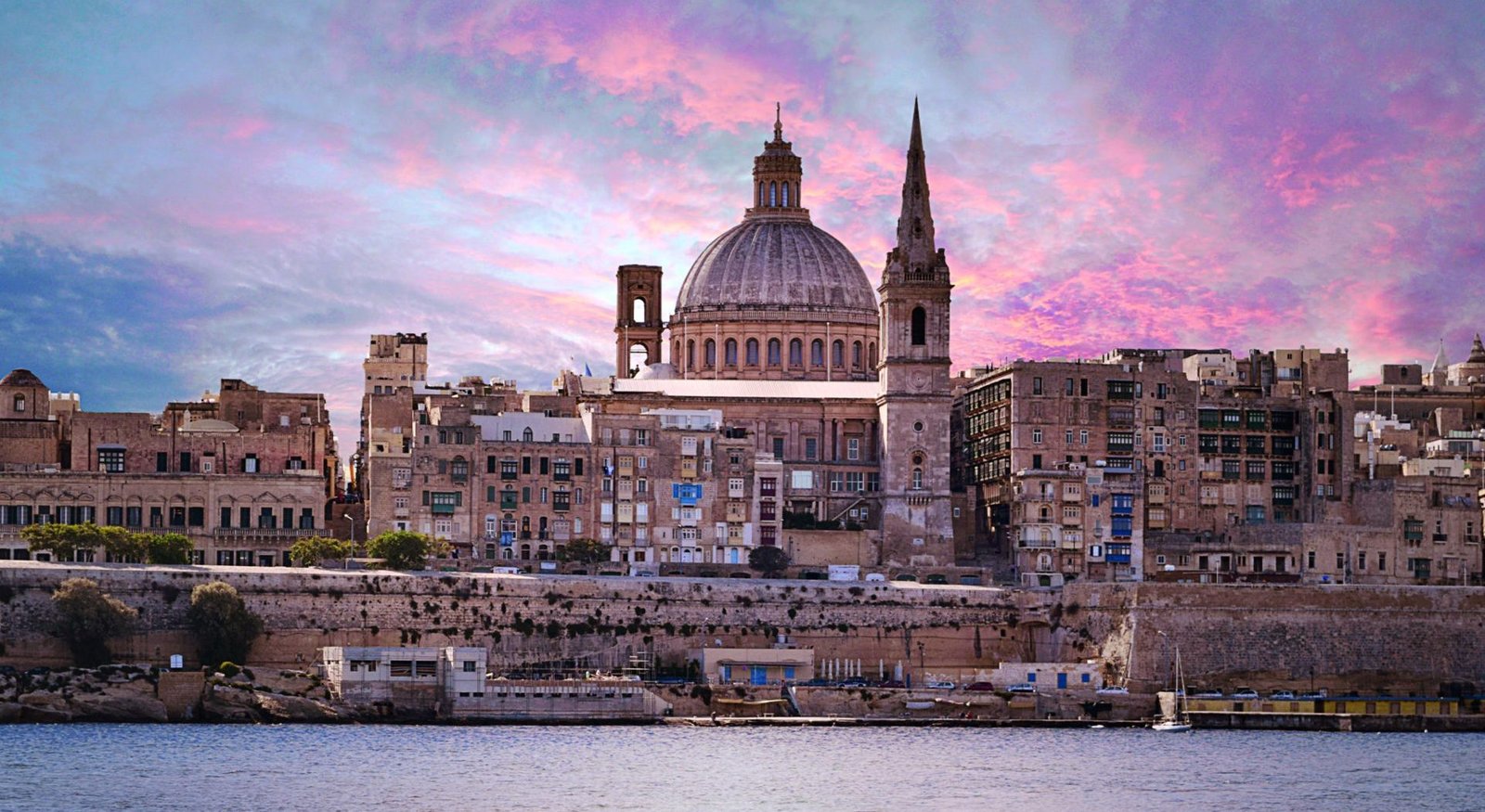
Valletta became an ideal Renaissance city, built according to a geometric plan and embellished with churches, palaces, and squares that still leave you breathless today. Its architectural coherence, the fruit of vision and discipline, distinguishes it from any other Mediterranean city. Here, everything speaks of the Knights: the residences of the languages, the forts, the monumental staircases, the crypts, and the works of art that adorn every corner. Among its most precious treasures, the Co-Cathedral of St. JohnIt represents the spiritual and artistic soul of Malta. On the outside, sober and almost military, on the inside it explodes in a treasure chest of marble, gold, and canvases. It is here that Caravaggio, who took refuge on the island after his Roman turbulence, painted his masterpiece The Beheading of St. John the Baptist —the only one signed by the master. The canvas, of absolute power and drama, seems to encapsulate the very tension of Valletta: a balance between divine light and the shadow of history. A few steps away, the National Museum of Art MUŻA Offering a refined journey through centuries of Maltese and European creativity, housed in a 17th-century Knights' Palace, it symbolizes the city's cultural renaissance, now one of the Mediterranean's most vibrant artistic capitals, with international festivals, contemporary galleries, and a packed calendar of events.
Valletta is not just history: it is also strategy and courage. In Lascaris War Rooms, an intricate labyrinth of underground tunnels, still resonates with the tension of the days when, during World War II, Allied operations in the Mediterranean were coordinated. It was in these tunnels, dug into the living rock, that the fate of entire nations was decided.
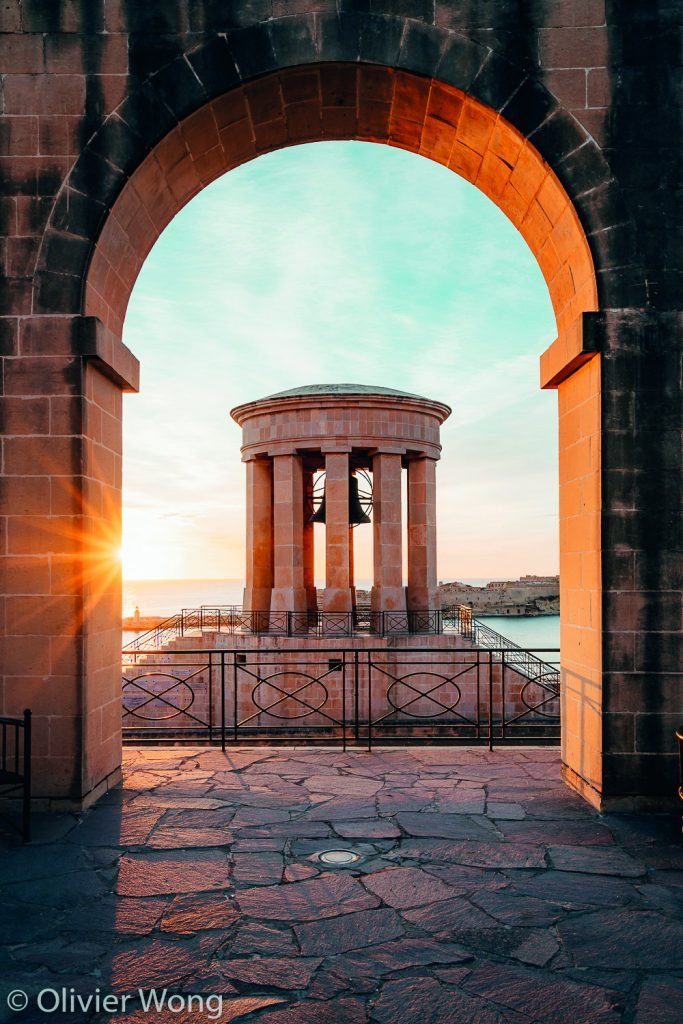
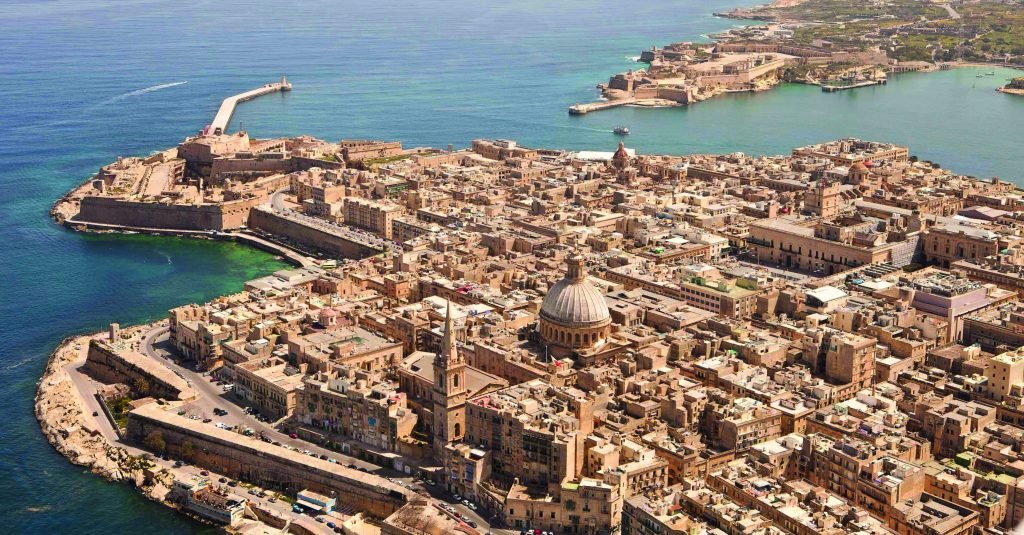
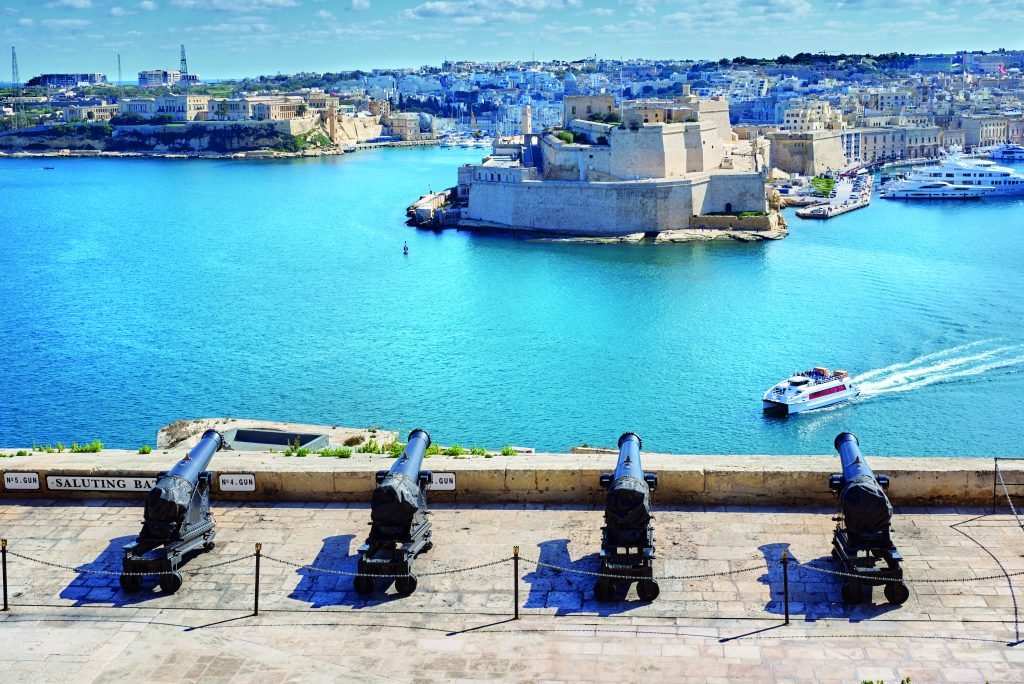
Today, the city has returned to life in all its glory. Its beautifully restored fortifications open onto breathtaking views of the Grand Harbour—one of the most spectacular natural harbors in the world. By day, the sea reflects the honey-yellow stones; by night, the lights of the bastions paint an enchanting horizon. Walking along the walls of Upper Barrakka Garden, overlooking the Three Cities, it is an experience that blends beauty, silence and vertigo.
Situated in a scenic and unique position, Valletta stretches out between the Grand Harbour And Marsamxett Harbour, separated from Manoel Island, another architectural and strategic jewel. The island, dominated by the magnificent Fort Manoel, is a masterpiece of 18th-century military engineering, today reborn as a symbol of the balance between historical preservation and new cultural life.
From its summit, the gaze embraces the entire city, conveying the image of a capital suspended in time, perfect in its design and soul.
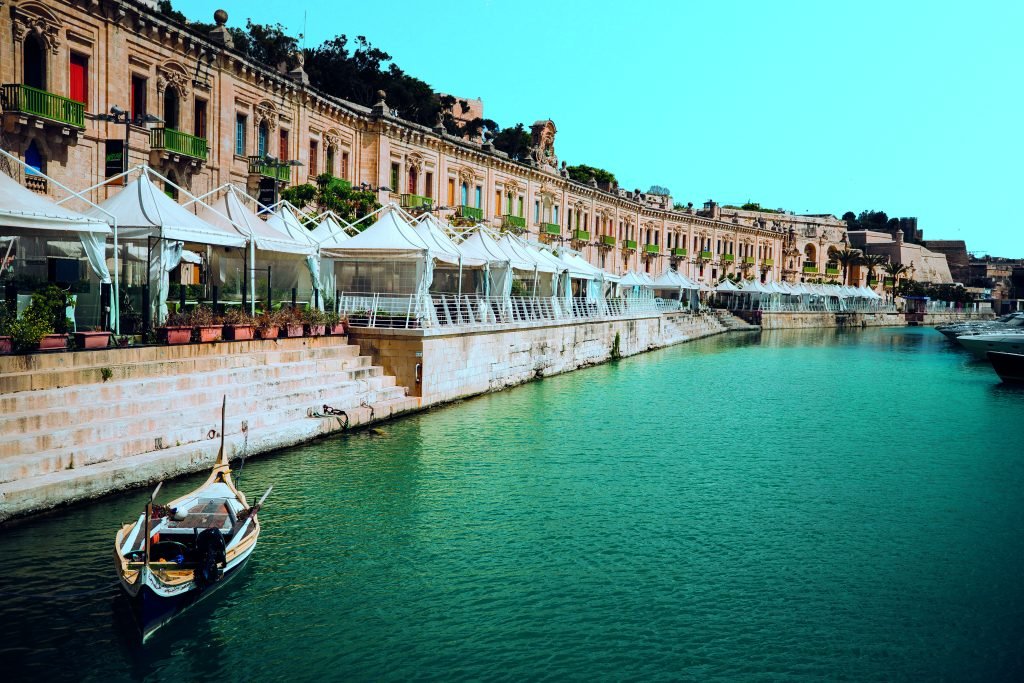
Valletta today is a cosmopolitan and refined capital, where charming boutique hotels and elegant venues blend with Maltese tradition. In the limestone-paved alleys, wine bars, bistros, and restaurants welcome visitors and residents, offering flavors that embody the Mediterranean: the freshest fish, fragrant olive oil, aromatic herbs, citrus fruits, and the sweet echoes of Arabic pastries. It's an authentic and vibrant cuisine, a reflection of its history of encounters and influences.
Valletta's rebirth is a model of vision and respect for heritage. The restoration of its fortifications, the revitalization of its waterfront, the enhancement of its cultural itineraries, and the opening of top-notch facilities have restored the city to the top spot among sophisticated travelers. European Capital of Culture in 2018, Valletta was also awarded the titles of Best European City And Best City in the World from the prestigious magazine Condé Nast Traveller, Confirming its position as one of the world's most desirable destinations, the city has transformed its legacy into a promise of the future, where the past dialogues with modernity and luxury is born from authentic beauty.
Today, looking down from the top of St. Elmo's Bastion, it seems as if every stone, every dome, and every reflection tells a story of resilience and splendor. Valletta is not just a place to visit: it's an experience to be savoured slowly, breathing in its light, listening to the sound of bells mingling with the sea. It is the noble heart of Malta, a jewel sculpted by time that continues to shine, proud and gentle, at the center of the world.