FROM THE CAREFUL CHOICE OF RAW MATERIALS TO THE SKILLS IN THE KITCHEN, EACH DISH IS A GESTURE OF LOVE THAT TELLS STORIES OF TERRITORY, MEMORY, AND INNOVATION, CAPABLE OF MOVING THOSE WHO TASTE IT.

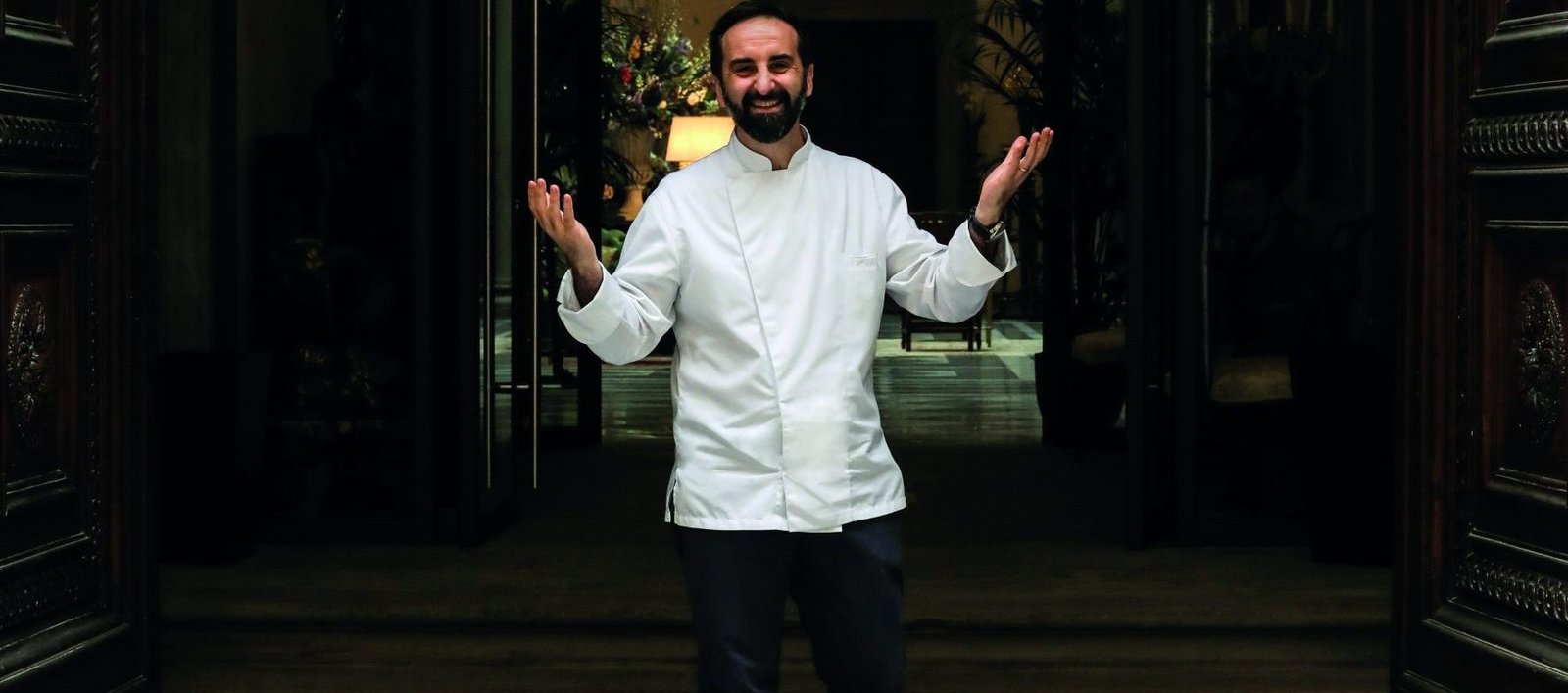
There are men who don't just cook: they translate life into flavor. Vito Mollica He belongs to this rare breed of artisans of sensitivity. As a child in Avigliano, Basilicata, he discovered that happiness can be born from the aroma of a sauce, the slowness of a gesture, and respect for what nourishes. From then on, cooking was no longer just a craft, but a language, a way to tell the world through the living matter of ingredients. After his beginnings in the 1990s with Four Seasons Hotels & Resorts – Milan, Prague, Florence – Mollica forges a path that is both discipline and poetry. His is not the rise of an ambitious chef, but the maturation of a man who has learned to recognize the value of simple things: a tomato picked at the right time, a producer who works the land with dogged dedication, a team that shares the same spirit. In 2011, he earned a Michelin star. MICHELIN with Il Palagio and, two years later, the dish of the year with his famous cavatelli cacio e pepe with red prawns. Awards, recognitions, books, and international events followed. But more important than the titles is his loyalty to a principle: "Knowing the person behind the product," he loves to repeat. Because true luxury, in his view, is first and foremost humanity, made up of authentic gestures and dedicated time.
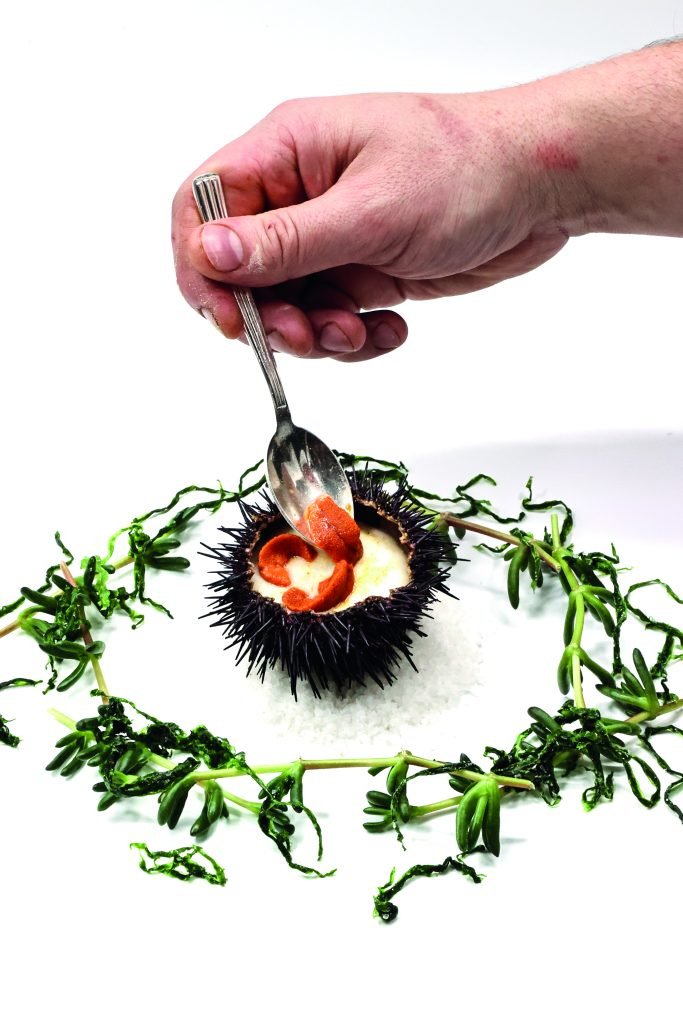
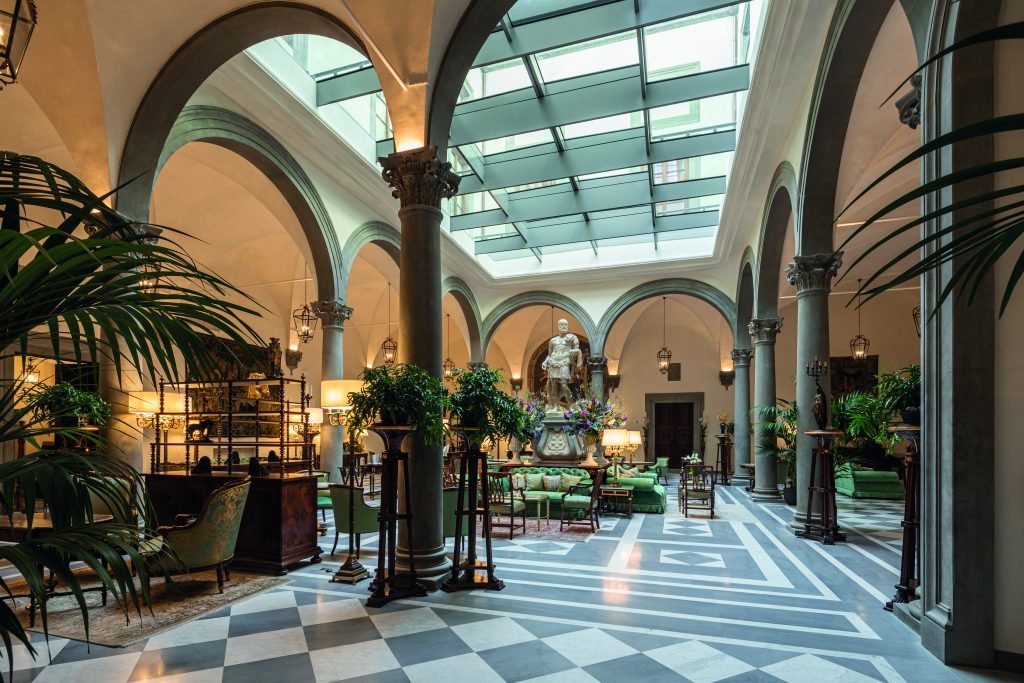
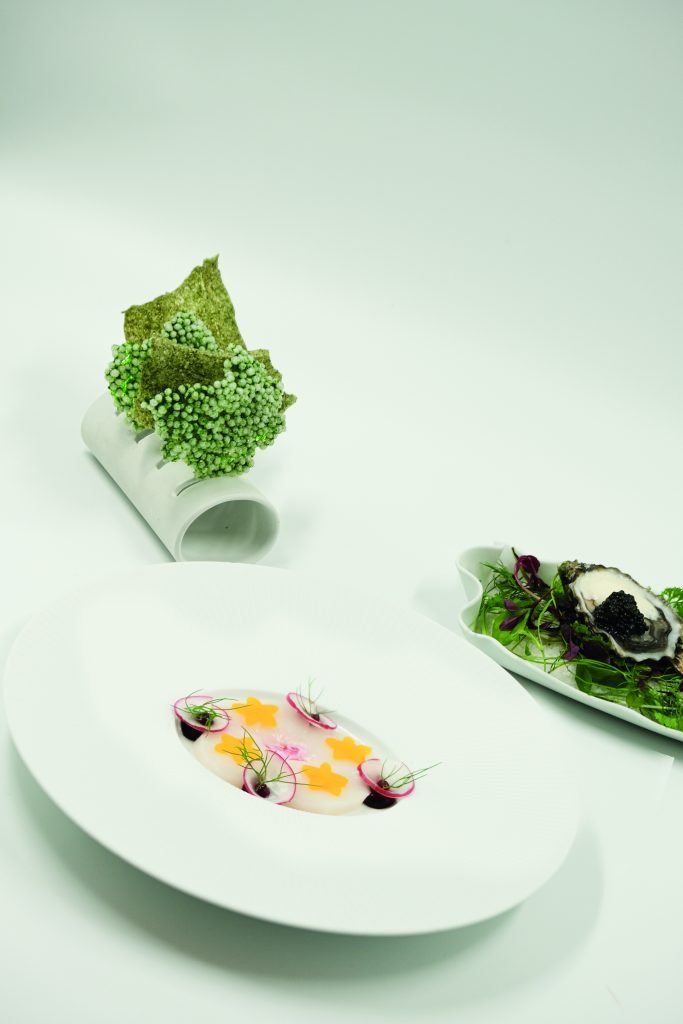
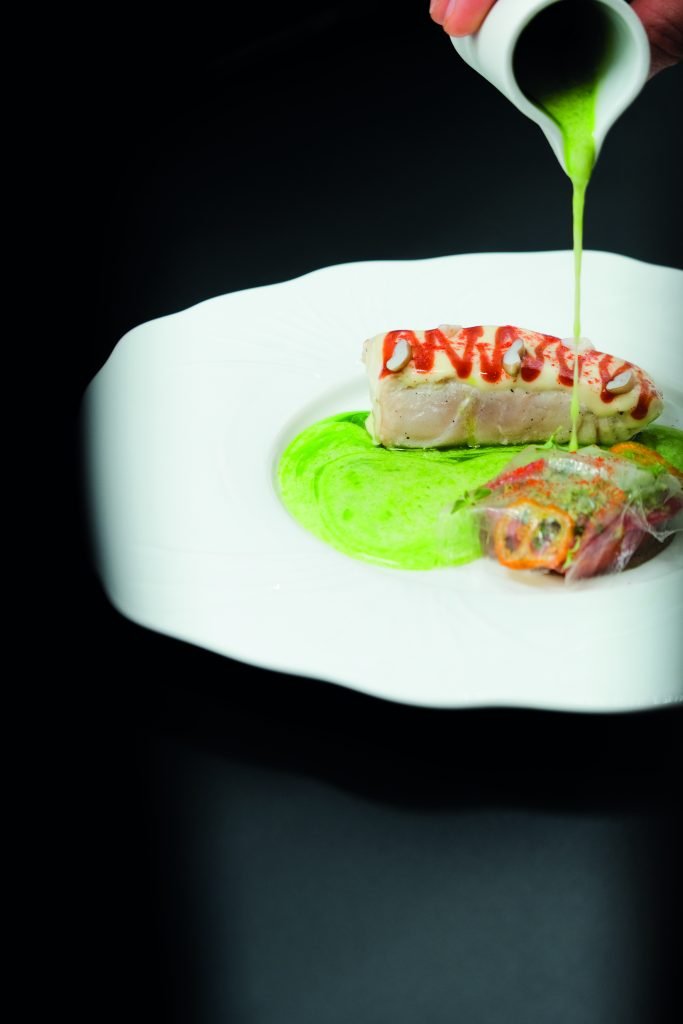
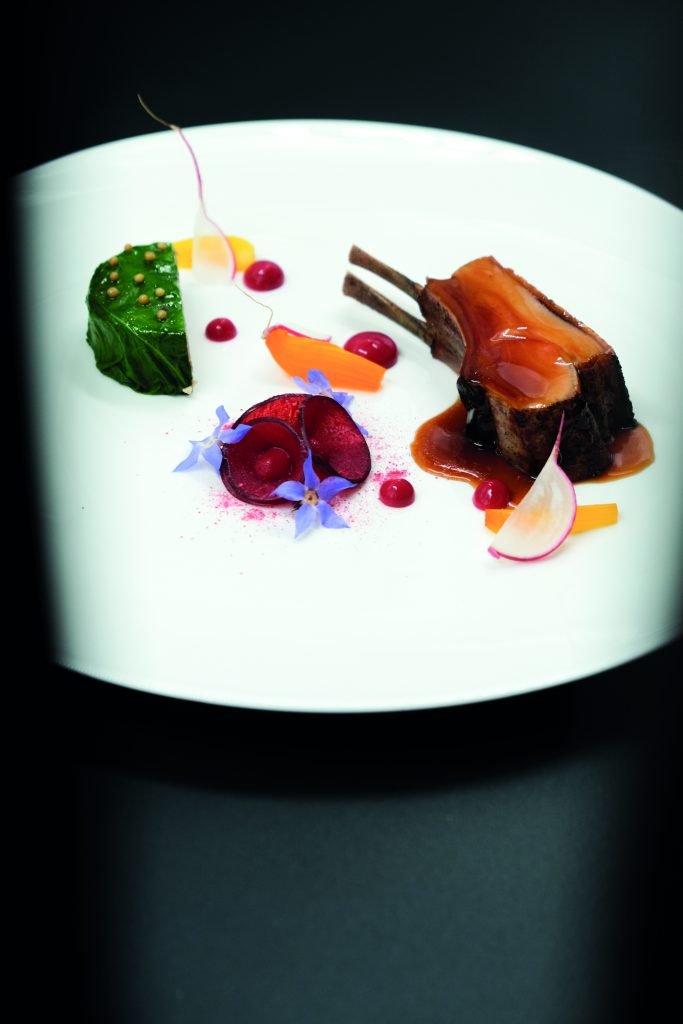
Today, after years spent in the hospitality capitals, Vito Mollica has chosen Florence as his permanent home. In Palazzo Portinari Salviati, one of the city's most precious Renaissance buildings, he has created a gastronomic microcosm that expresses his vision: ACT by Vito Mollica, Portinari Bar & Bistrot Lounge, Eye Cocktail Bar And Beatrice Hall. Four places, four different souls, four times of the same day. From the soft light of morning to the amber tones of evening, each space is conceived as an experience of balance between past and present, art and matter, memory and invention. Here, hospitality is measured not only by the exceptional quality of the offerings, but also by the time dedicated to guests, by genuine passion and daily dedication, where teamwork becomes an essential value. The food and wine offerings, personally curated by the Chef together with the Restaurant Chef Rosario Bernardo And Paul Acunto, follows the rhythm of the seasons and accompanies the different moments of the day—from breakfast to lunch, all the way to gourmet dinner. At ATTO, the Michelin-starred restaurant and the beating heart of the project, the culinary gesture becomes a ritual. "Every dish is an act of love," says the Chef, and it's not a metaphor. His kitchen is a theater of sensitivity, where everything—the materials, the light, the pace of service—obeys the same harmony. The frescoed ceilings by Alessandro Allori coexist with contemporary works of art, and taste becomes a total experience. The ingredients—white chicken from Valdarno, grilled pigeon, orange-flavored duck buttons, Oscietra caviar—are not ostentation but a declaration of intent: simplicity becomes an art form. "The simpler the preparation, the easier it is to amplify its flavor." This is his philosophy: remove, not add. Let the ingredients shine on their own.
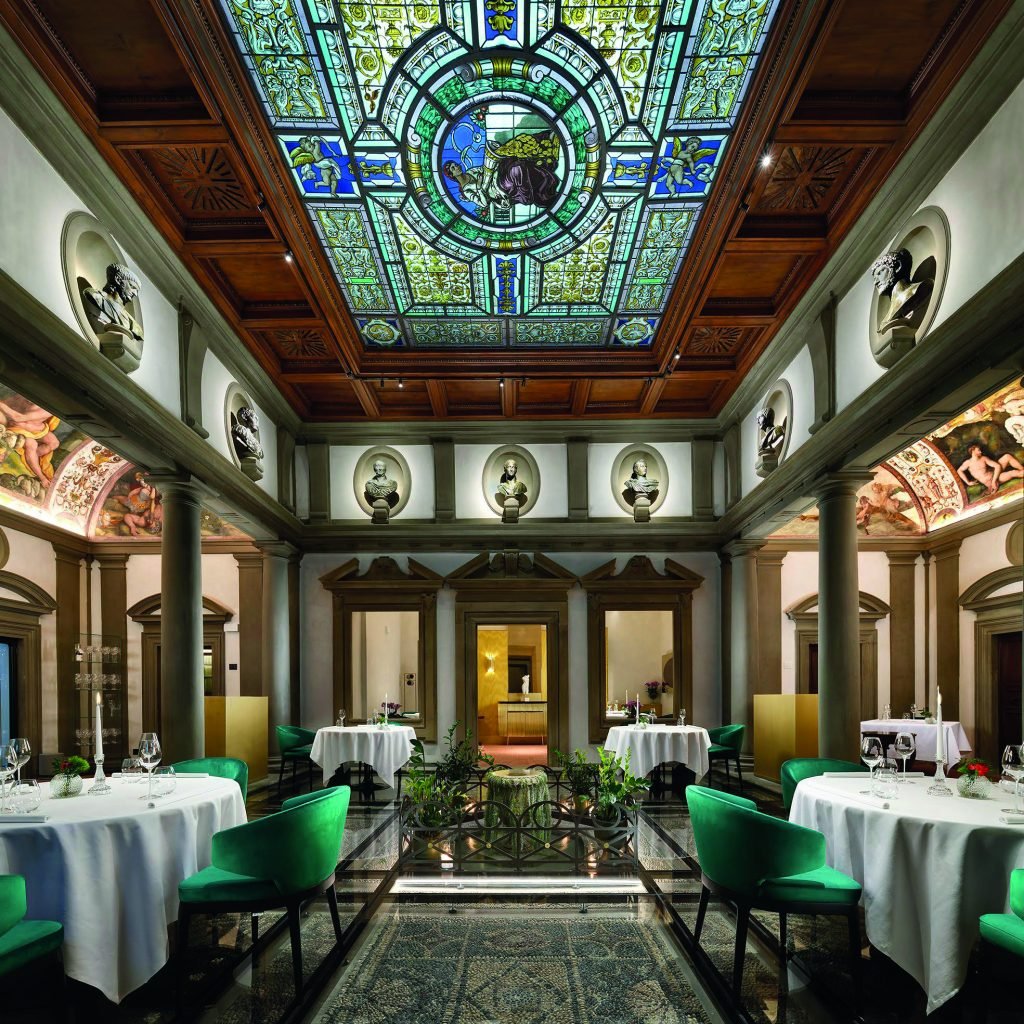
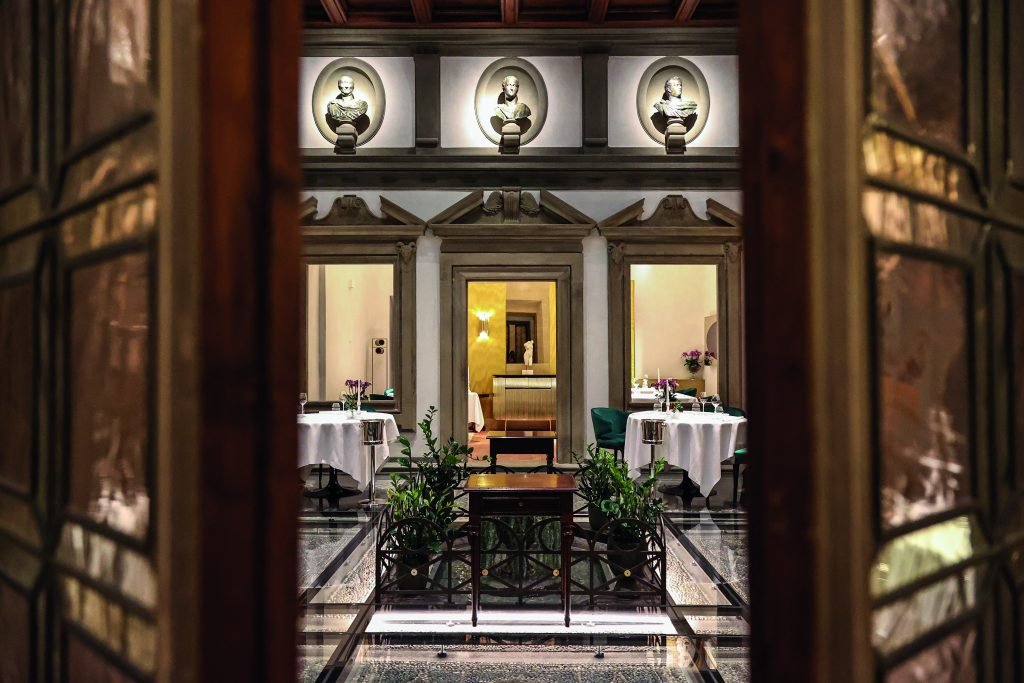
In the other rooms of the palace, the convivial spirit finds new expressions. Portinari Lounge It's a bistro with an urban feel, a meeting place for Florentines and travelers, a refuge where time seems to slow down and the cuisine celebrates the joy of simplicity. Eye Cocktail Bar, with its contemporary design and soft lighting, is instead a liquid laboratory, where mixology meets the grace of artisanal gestures and transforms into pure sensory stimulation. Everything in the world of Mollica stems from a single idea of hospitality: not the art of serving, but that of welcoming.
For him, cooking is a way of listening to life: the season of produce, the rhythm of the day, the mood of his guests. Each dish tells a story of a fragment of memory, a root that resurfaces, a connection to the land and those who work it. It's a cuisine that speaks of Italy through the Tuscan language, but also the sensitivity of a man who can see beyond the surface of things.
Perhaps this is precisely the secret of its elegance: not seeking surprise, but truth. Not to astonish, but to excite. Transforming simplicity into experience, matter into story, taste into feeling.
Ultimately, every dish created by Vito Mollica is an act of gratitude: to the land, to people, to that fragile miracle we call taste. And Florence, with its timeless beauty, seems to have given him back what he'd always sought: a place where life and cuisine meet and become—finally—one.