BETWEEN SECRET BEACHES AND STILL UNSPOILED COVES, BETWEEN ILLYRIAN RUINS AND VILLAGES SUSPENDED IN TIME, THE ALBANIAN RIVIERA REVEALS ITSELF AS A PLACE WHERE MILLENNIARIES OF HISTORY MEET THE FUTURE: A NEW FRONTIER OF MEDITERRANEAN TOURISM, BUT ALSO A TERRITORY WHERE INVESTORS AND TRAVELERS CAN STILL DISCOVER THE AUTHENTIC LUXURY OF THE FIRST TIME.
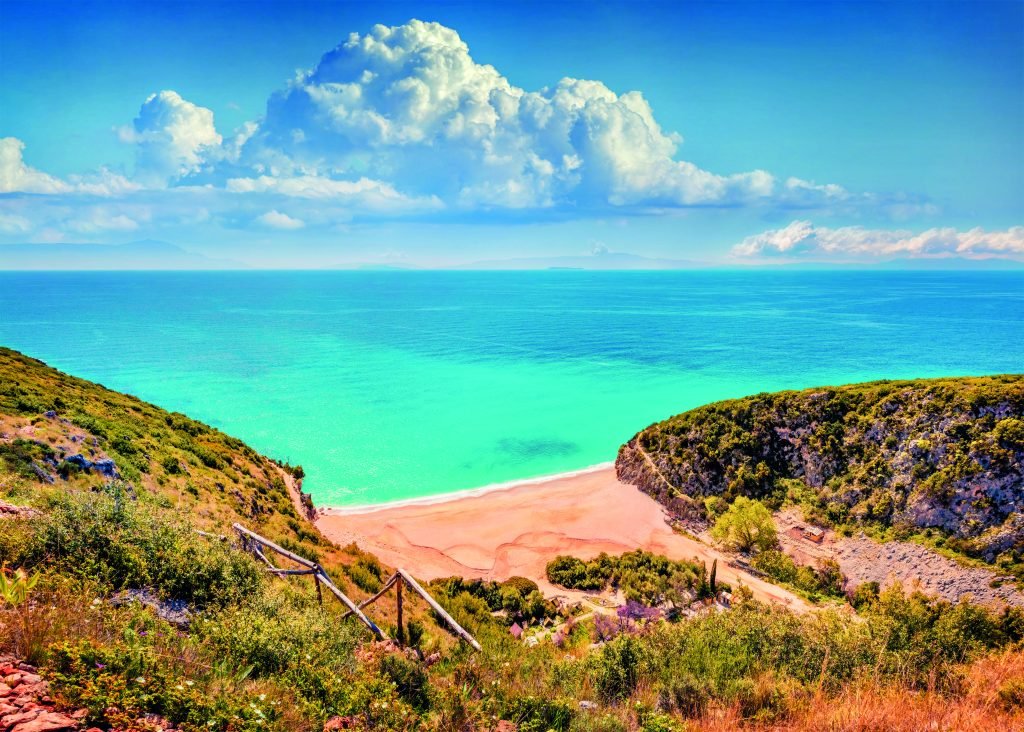
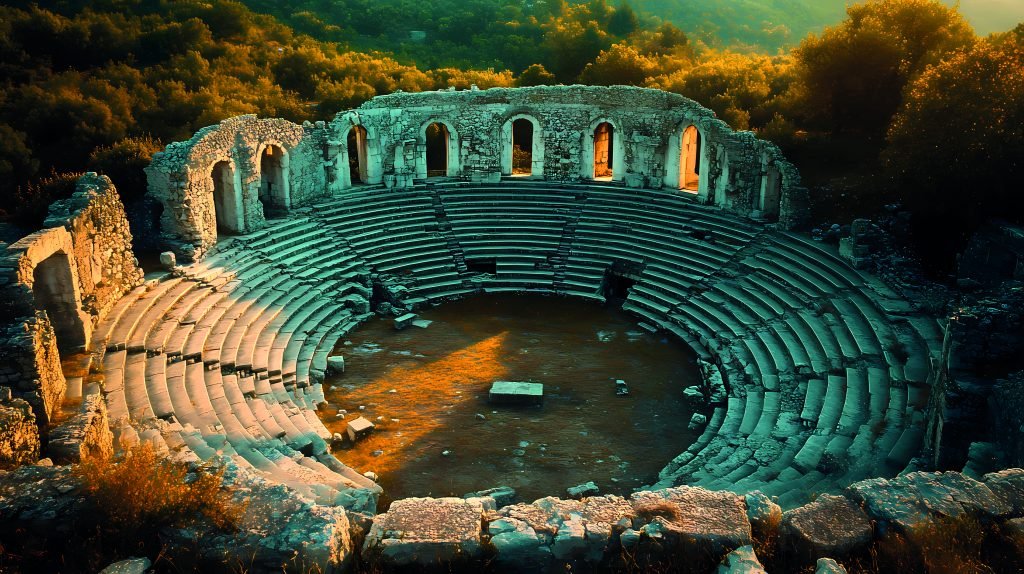
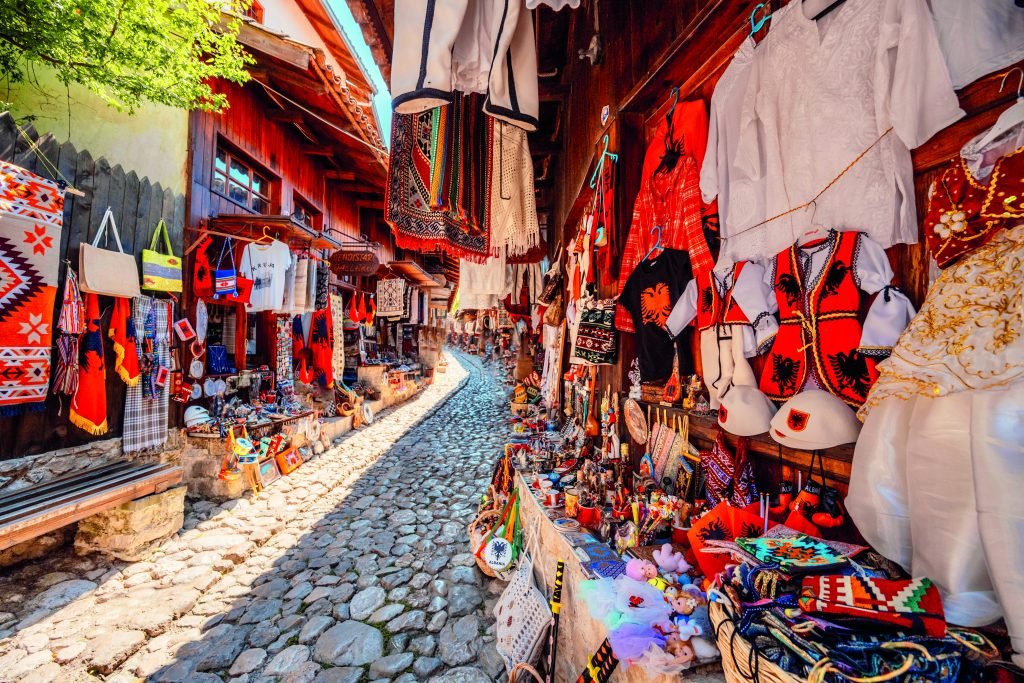
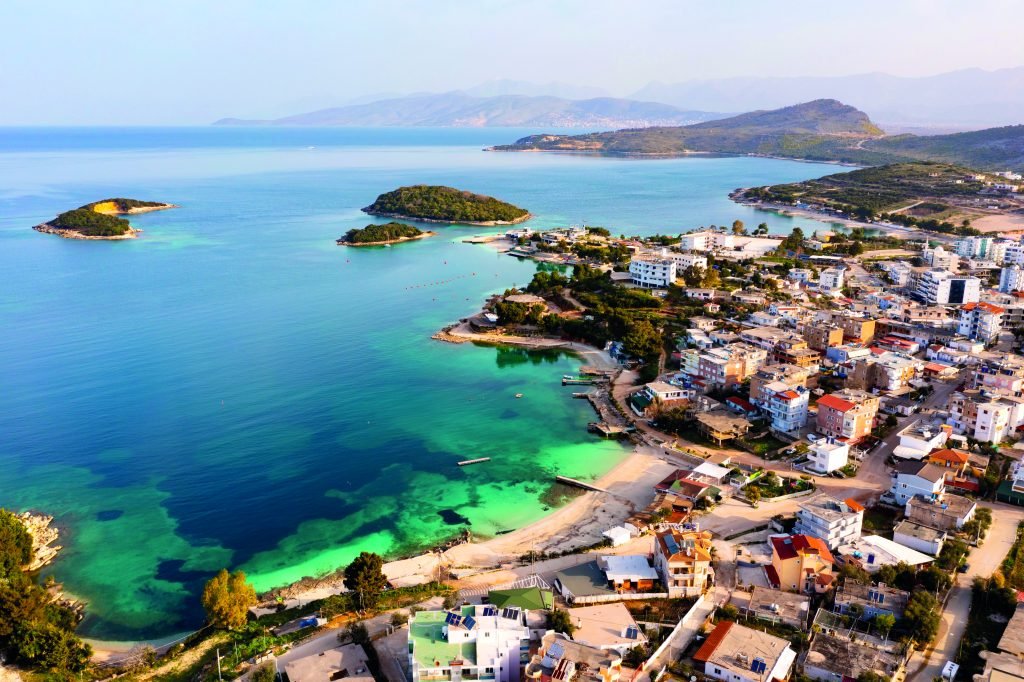
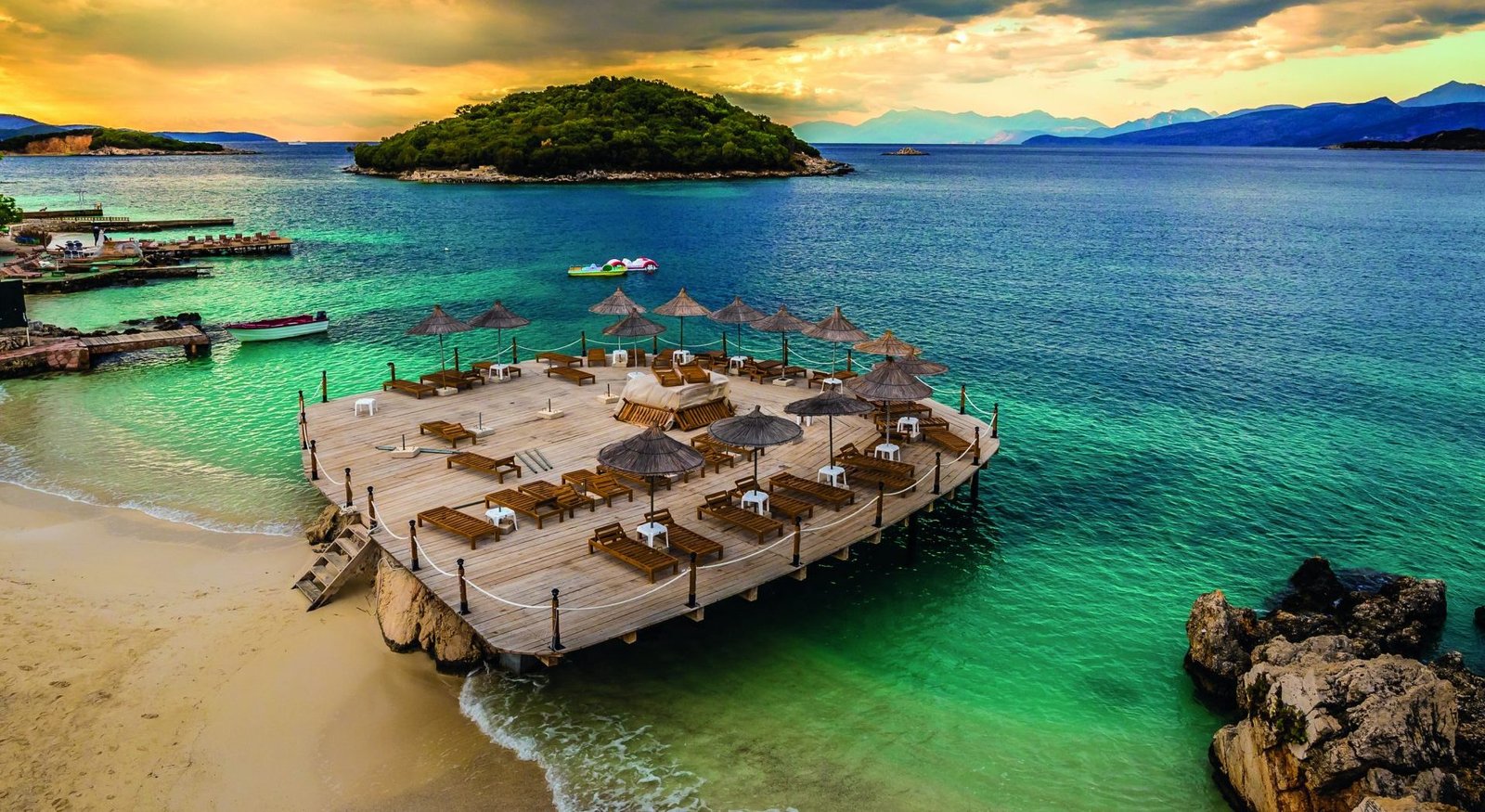
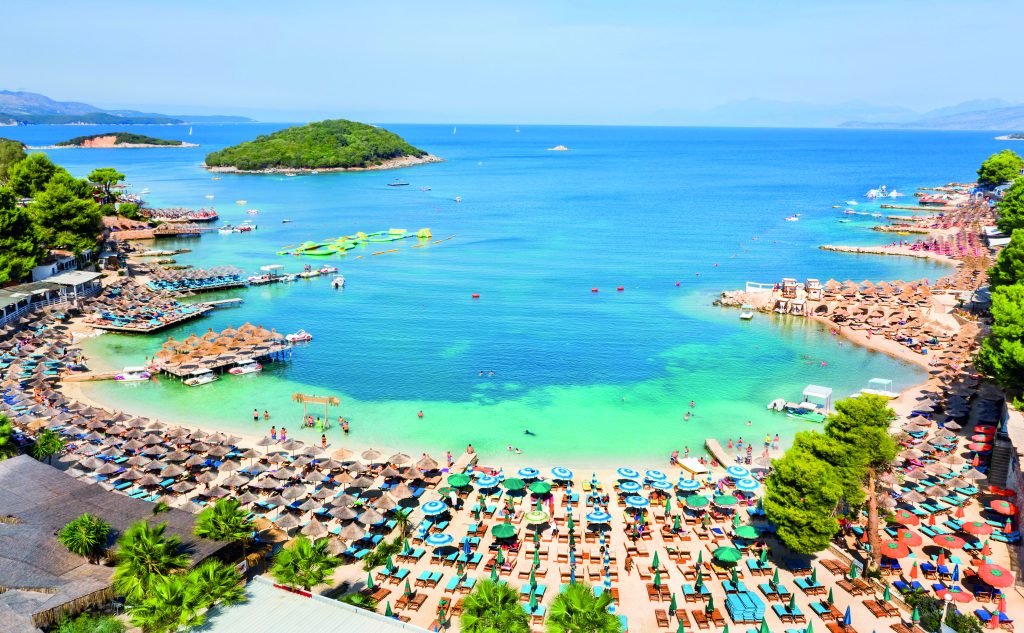
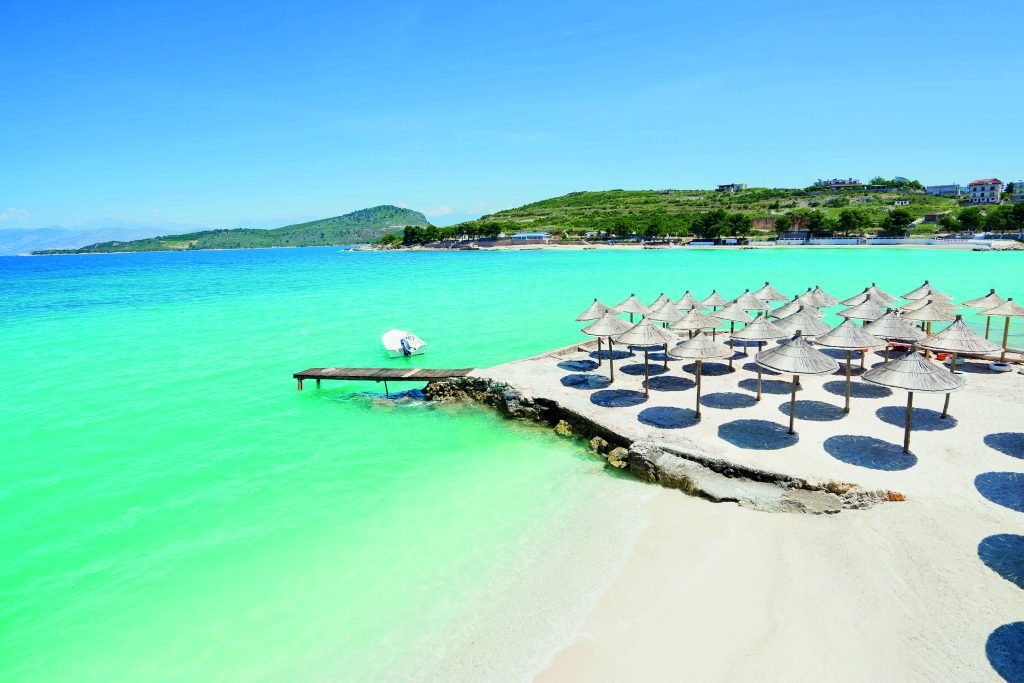
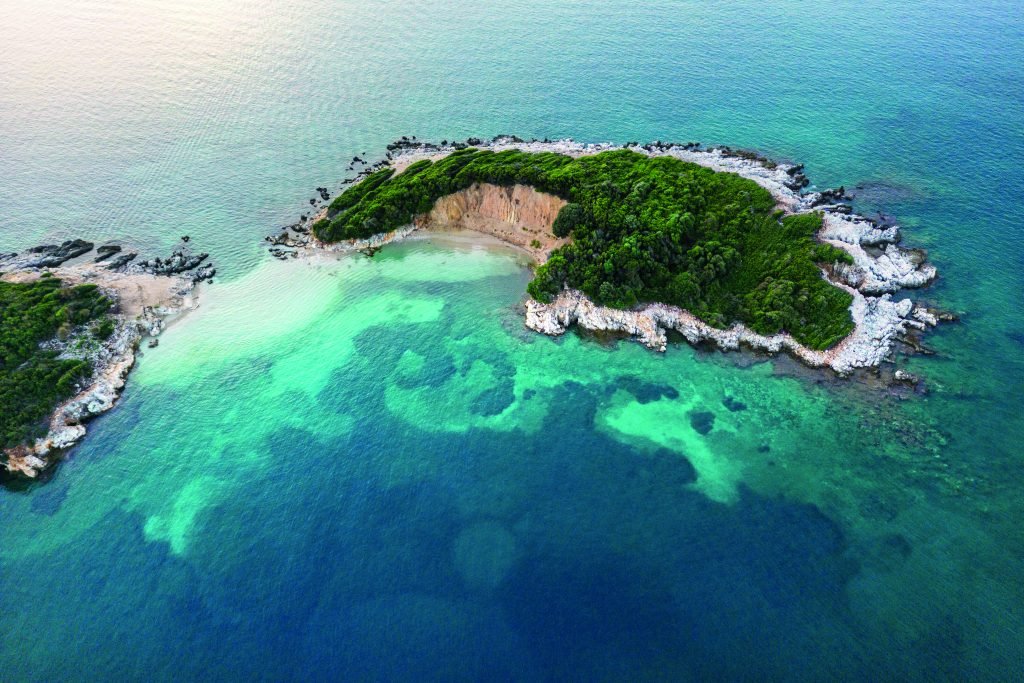
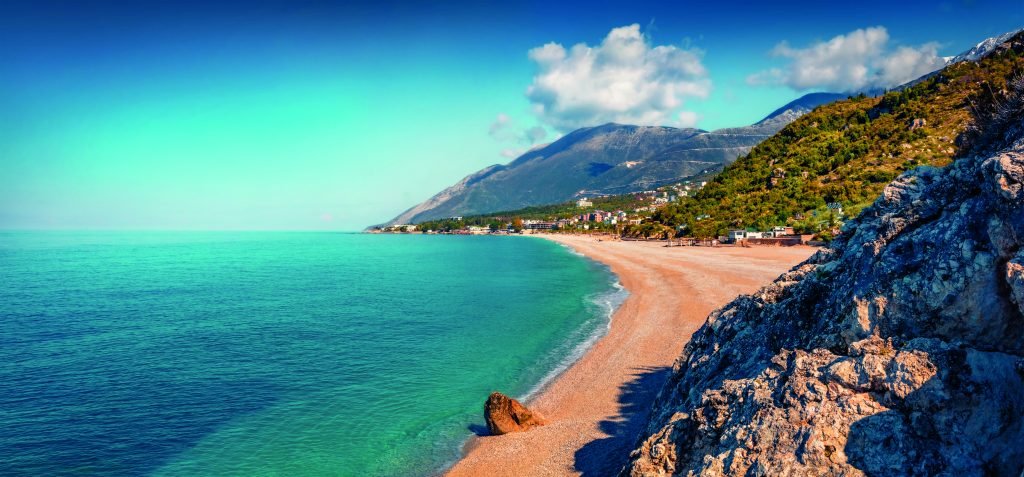
There's a corner of the Mediterranean that has been capturing the attention of curious travelers and forward-thinking investors in recent years. It's the south of theAlbania, a land that seems to have jealously guarded its treasures only to reveal them all at once: white sandy beaches, transparent waters with Caribbean hues, authentic villages that smell of local cuisine and sincere hospitality. The Albanian Riviera unfolds from Vlora until Saranda, following the profile of the Ionian coast. Here the sea is not just a backdrop: it is the protagonist. Dhermi And Himarë long beaches and secret coves alternate; Gjipe Nature offers a hidden bay among the rocks, reachable only on foot or by boat, a little paradise that surprises anyone who discovers it. And then there's Ksamil, with its islets lapped by turquoise waters, a place that remains in the heart like a living postcard. But southern Albania is not just sea. A few kilometers from Saranda is the Archaeological Park of ButrintA UNESCO World Heritage Site, where Greek and Roman ruins offer a glimpse of a thousand-year history. A place where nature and culture blend, offering travelers an experience that goes far beyond beach tourism.
AN AIRPORT THAT CHANGES THE MAP The big leap came with the new International Airport of Vlora, the gateway that finally directly connects this part of the country to the rest of Europe. It means shorter journeys, immediate access to the most iconic beaches, and the certainty that the Albanian Riviera will no longer be a secret to the few. The new infrastructure, long-anticipated, is destined to revolutionize tourist flows, breathing new life into a region that was already growing at a surprising rate. Until recently, to reach the south, you had to land in Tirana or pass through Corfu, arriving in Saranda by ferry. Today, everything is easier, and this accessibility translates into new opportunities, not only for travelers but also for those who see a future as a key player in this corner of the Mediterranean.
NUMBERS THAT TELL OF GROWTH The data speaks for itself: Albania is experiencing a season of record tourism, with arrivals steadily increasing and a sector that, according to the International Monetary Fund, has become the main driver of the economy. It's no coincidence that the country is becoming one of the most talked-about emerging destinations, with the south leading the way.
THE CALL FOR INVESTORS Behind the crystal-clear waters and sunsets over the sea, another story unfolds: that of economic opportunities. The Albanian government has launched tools to simplify and incentivize tourism investments, starting with the Law on Strategic Investments, which expedites procedures for major projects. Furthermore, tax breaks are planned for high-end hotels, with the aim of attracting international brands and improving standards. The most promising areas coincide with the most fascinating: Vlora, which, thanks to its new airport, is becoming the epicenter of resorts and accommodations; Himarë And Dhermi, ideal for boutique hotels and experiential formats; Saranda And Ksamil, perfect for international tourists seeking sea, culture and comfort.
A CHALLENGE OF BALANCE If the present speaks of growth, the future must speak of balance. The real challenge for Albania will be protecting its natural capital, preventing uncontrolled development from distorting the essence of the places. Programs such as certifications Blue Flag and the enhancement of protected areas point the way: sustainable tourism, capable of combining economic prosperity and environmental protection.
A DESTINATION WITH SOUL Today, southern Albania is a place that captivates visitors and intrigues those considering tourism as an investment sector. It's a region that offers authentic vacations, far removed from mass tourism, yet at the same time opens its doors to those willing to invest in the future. With its secret coves, archaeological sites immersed in nature, new infrastructure, and supportive policies, the Albanian Riviera is transforming into the new face of the Mediterranean: a place that surprises, seduces, and invites you to return, whether in the traveler's suitcase or in the investor's eye.