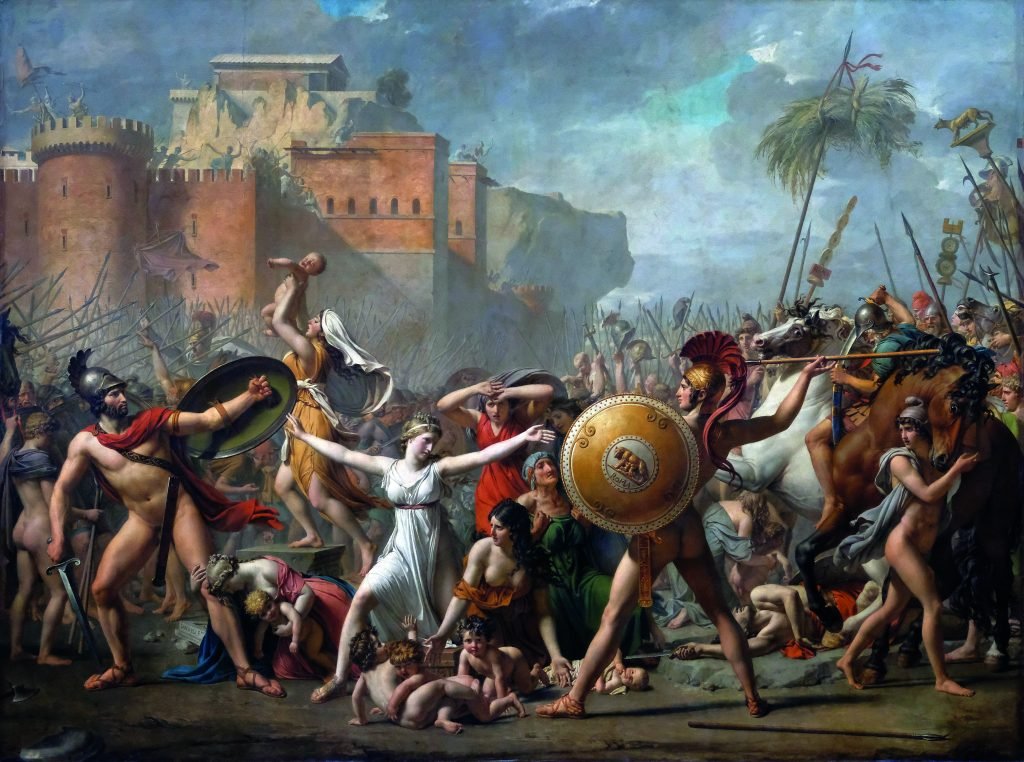
A landmark exhibition celebrates the bicentenary of David's death: over one hundred works tell the story of the genius who shaped the French Revolution and the Empire, encompassing art, power, and destiny.

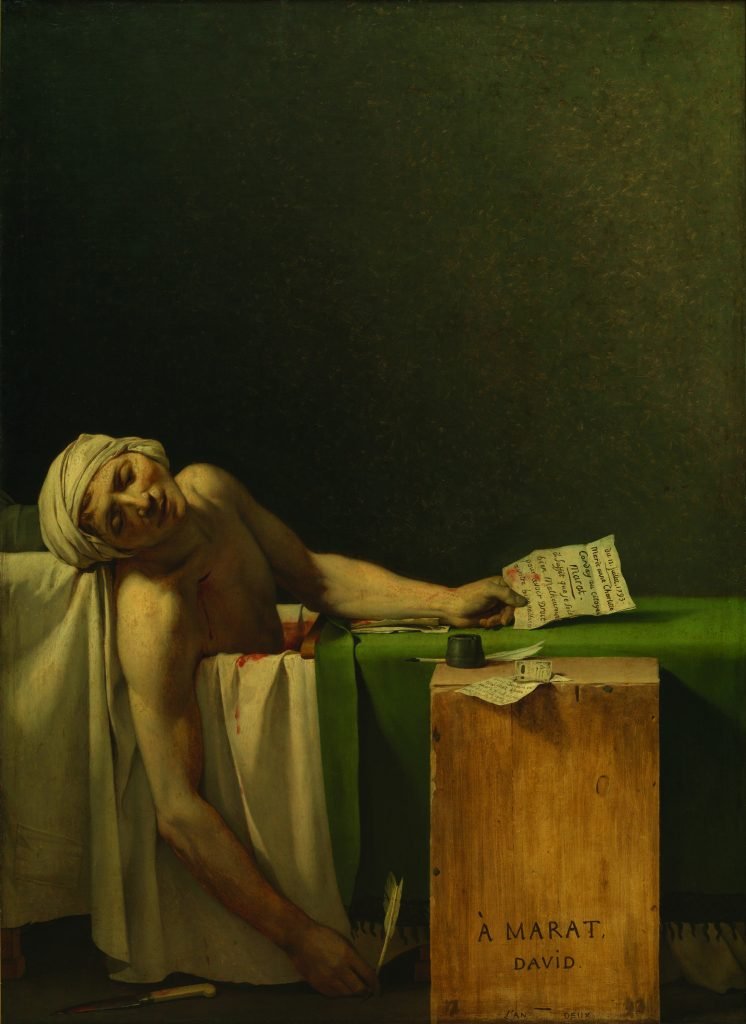
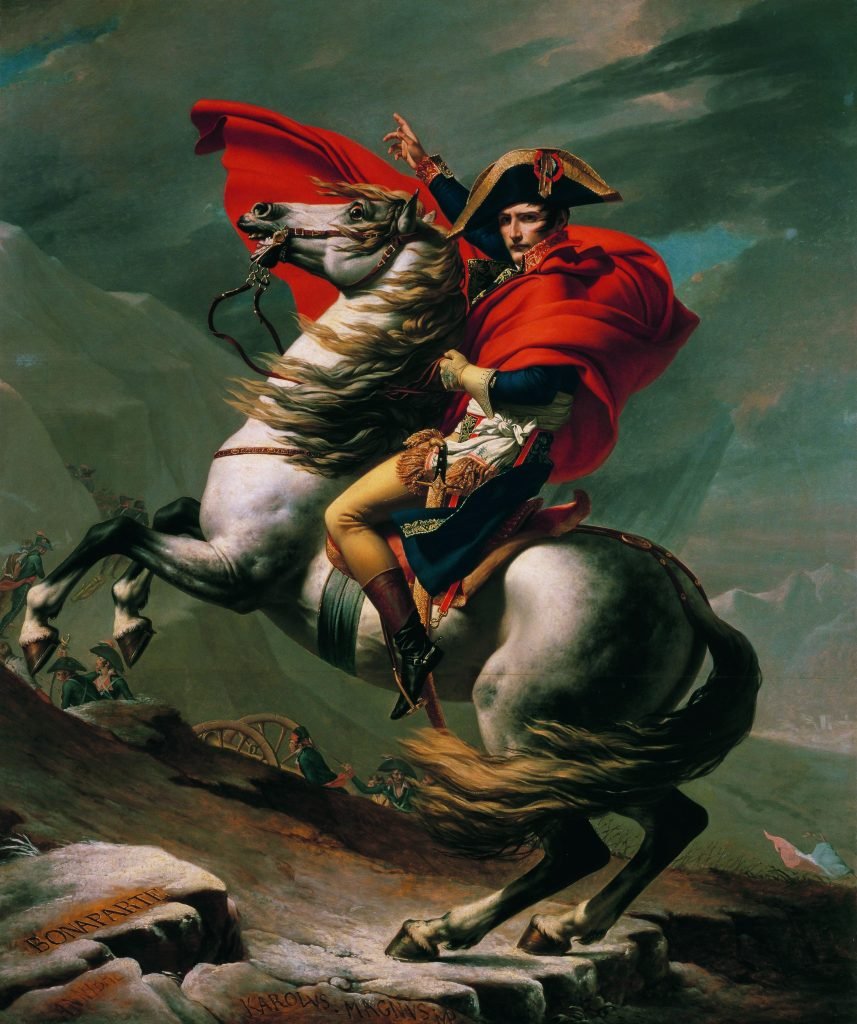
An unmissable event, capable of crossing time, politics, and art. From October 15, 2025 to January 26, 2026, the Louvre Museum celebrates Jacques-Louis David with a monumental exhibition, marking the bicentenary of his death in exile in Brussels. A tribute to the man who was not only a master of Neoclassicism, but the painter who transformed history into legend. David gave the collective imagination images that still embody the essence of an era: the French Revolution and the Napoleonic Empire. His canvases do not simply recount events: they etch them into universal memory. The death of Marat, Bonaparte which crosses the Alps, The Sacred of Napoleon: works that transcend the pictorial genre to become emotional architectures, visual monuments that define the very face of modernity. Looking at a painting by David is like immersing yourself in a living chapter, pulsating with life, power, and ideals. The Parisian exhibition promises to be the most anticipated artistic event of the European autumn. Over one hundred works, including paintings and drawings, many rarely exhibited, will come to the Louvre thanks to extraordinary loans from museums across Europe. Among these, The Death of Marat from the Royal Museums of Fine Arts of Belgium and the imposing fragment of the Tennis Court Oath from Versailles, testimonies of a painting that was able to become a collective epic.
No other place in the world, other than the Louvre, could have hosted such a celebration. Here lies the richest collection of David's works, including the monumental canvases that, even today, enthrall the viewer with their scenic grandeur and the dramatic tension of the figures. Walking through these rooms will mean traversing a geography of the political and cultural imagination of late eighteenth- and early nineteenth-century Europe. But what makes this exhibition unique is the new interpretation it offers: David Not only as a painter, but as a divided and multifaceted man. Court painter and revolutionary, art reformer and propagandist, an artist who lived through six political regimes, a friend of Robespierre and then a supporter of Napoleon, until he paid the price of his own choices in exile. A destiny that intertwines art and politics, ideals and compromise, beauty and tragedy.
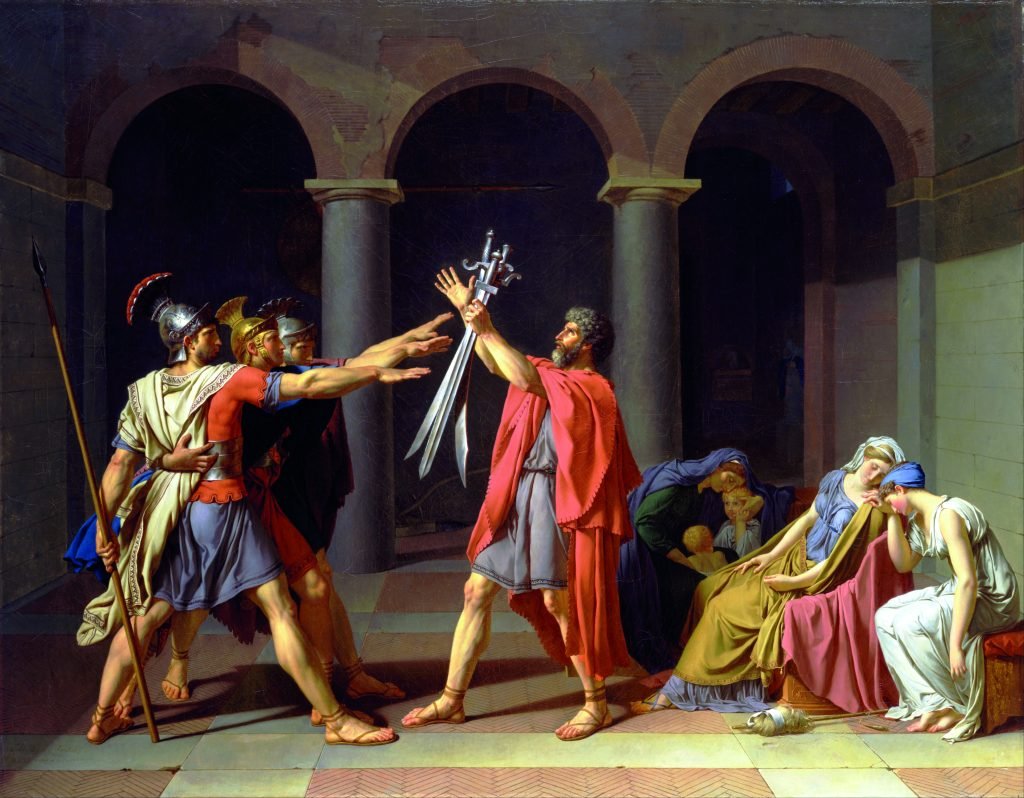
The most recent historical and artistic research returns a vivid and contradictory image: David He was not a spectator of history, but a tireless protagonist, capable of translating the incandescent energy of his time into images. His works narrate the tension between classical ideals and the urgency of reality, between the aspiration to perfection and the weight of human passions. It is in this tension that his modernity resides, which makes his paintings still able to speak to us with a direct and powerful voice. This exhibition, therefore, is not simply a journey: it is a journey into the very essence of the power of art. Because art, in David's hands, is never decoration: it is political language, an ideological weapon, a promise of eternity. Entering the Louvre during those months will mean crossing the threshold of an era, experiencing the revolution of bodies and ideas, rediscovering an artist who made painting a battlefield and a supreme form of power. And in every canvas, in every gesture captured in color, the visitor will perceive what makes David a timeless master: the ability to transform the ephemeral into the eternal, current events into myth, history into legend.