Efficiency, innovation and sustainability: how the integration of solar and hydropower is transforming the renewables sector.
Floating Photovoltaics: An Innovative Solution for Sustainable Energy
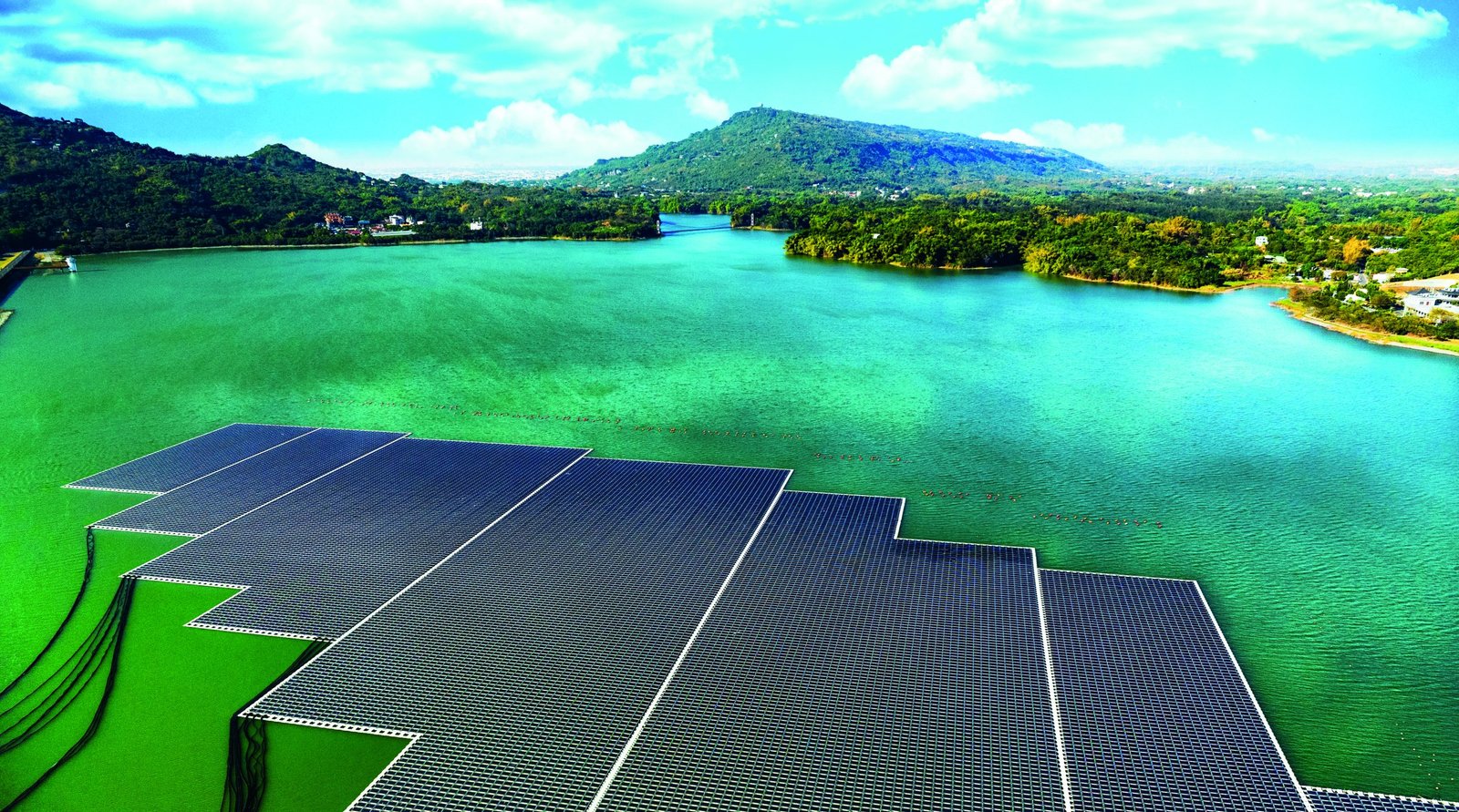
Floating photovoltaics is emerging as one of the most promising technologies in the field of renewable energy, thanks to its ability to combine energy efficiency, environmental sustainability and intelligent use of resources. This technology involves the installation of solar panels on water surfaces such as artificial lakes, agricultural water reservoirs and hydroelectric basins, optimizing otherwise unused spaces and reducing pressure on land use.

Main advantages
- Land saving: By avoiding the use of agricultural land or natural areas, floating photovoltaics preserves the territory and promotes sustainable management of space.
- Improved efficiency: The water below cools the panels, increasing their efficiency and energy production compared to ground-based systems.
- Reduction of evaporationFloating structures limit evaporation from water bodies, a crucial aspect in areas subject to water scarcity.
- Energy integrationFloating plants combine effectively with existing infrastructure, such as hydroelectric dams, creating productive synergies.
- Lower environmental impact: By reducing soil erosion, these facilities can be designed to minimize effects on aquatic flora and fauna.
Projects in Italy
Enel, a global leader in energy innovation, is at the forefront of the development of floating photovoltaics through its advanced research laboratory in Catania. Among the most notable projects, the initiative in Venaus (Piedmont) involves the installation of a floating plant on a hydroelectric basin, combining solar and hydroelectric power to maximize efficiency.
Integration between photovoltaic and hydroelectric
The Venaus project demonstrates how these technologies can be integrated to create a more efficient and stable energy system. Excess solar energy is used to power systems that pump water to upper reservoirs, increasing the storage capacity of the hydroelectric plant.
This solution offers advantages such as:
- Balancing production during periods of low sunlight or water scarcity.
- Better use of available water resources.
- Greater stability of the local electricity grid, thanks to a diversified and continuous production.
Global and local perspectives
The model of integration between solar and hydroelectric, already replicable in other sites, is finding fertile ground in areas with large artificial basins, such as Asia and Latin America. Thanks to these initiatives, floating photovoltaics contributes to the reduction of CO2 emissions and the achievement of energy transition objectives.
In Italy, Enel’s Catania laboratory is set to strengthen the country’s role in decarbonization, positioning it as a point of reference for innovation in the renewable energy sector. With the expansion of floating photovoltaics, not only is the development of climate-sustainable solutions being accelerated, but new opportunities for integrated and optimized management of energy resources are also opening up.