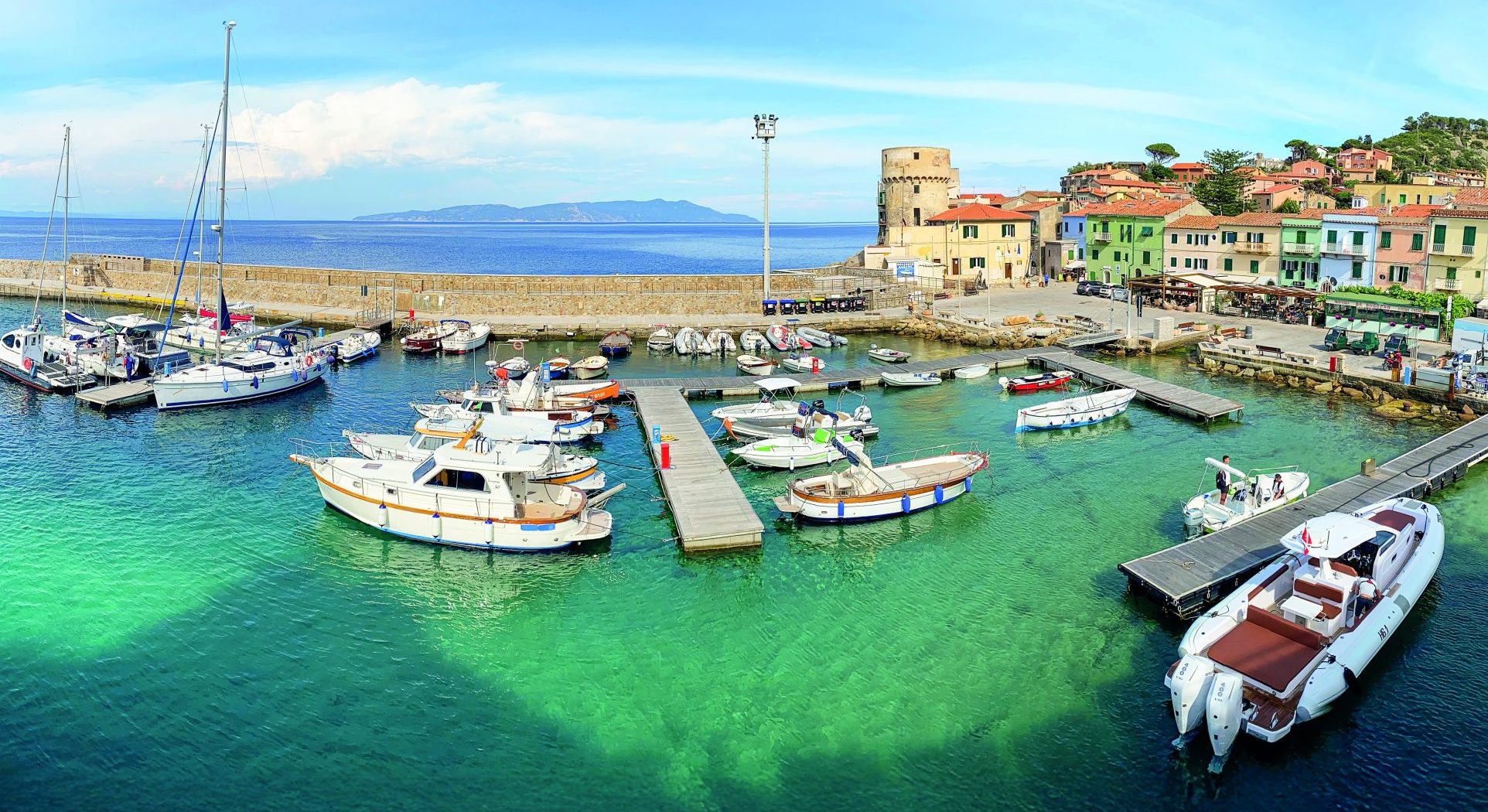
AN ISLAND THAT REMOVES ITSELF FROM THE NOISE AND REVEALS ITSELF WITH DISCRETION, AMONGST STONE ARCHITECTURE, CRYSTAL CLEAR WATERS AND INTACT LANDSCAPES, OFFERING AN ESSENTIAL EXPERIENCE WHERE TIME SLOWS DOWN AND EVERY ELEMENT, LIGHT, WIND, MATTER, FINDS ITS OWN BALANCE.

Off the Tuscan coast, an island seems to have consciously chosen to remain on the edge of noise, preserving intact a rare measure, made of silence, light and matter. It is Giglio Island, A fragment of the Mediterranean where every element—the stone, the wind, the sea—contributes to creating a subtle balance, never ostentatious, yet profoundly perceptible. One doesn't arrive here by chance: one arrives with an intention, however vague, to escape the surface of things and enter a more essential dimension.
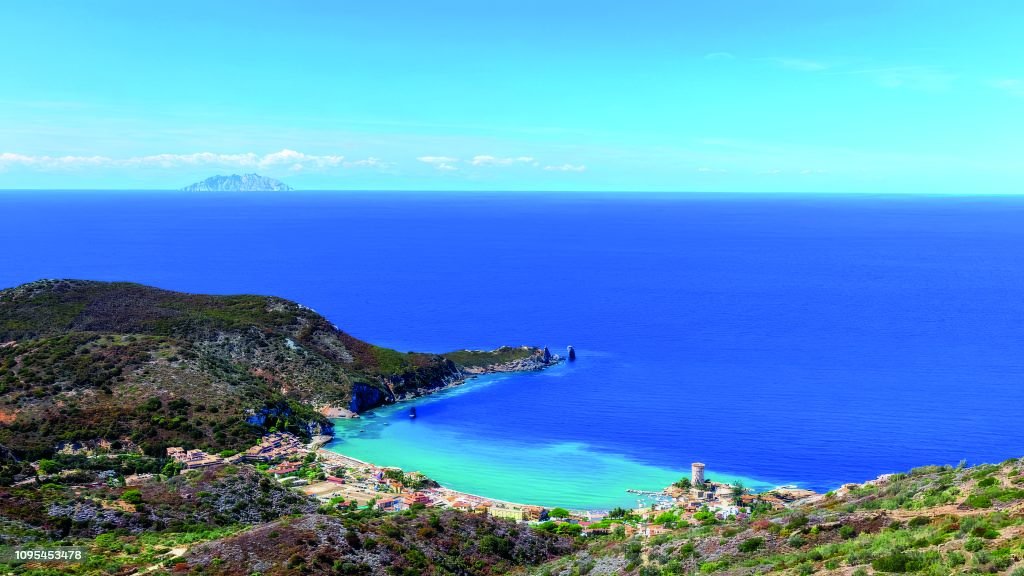
The entrance is Lily Port, a natural curve that welcomes without emphasis. The pastel-colored houses are arranged like light backdrops, reflected in the surprisingly clear water. The boats sway slowly, gestures measured, voices low.
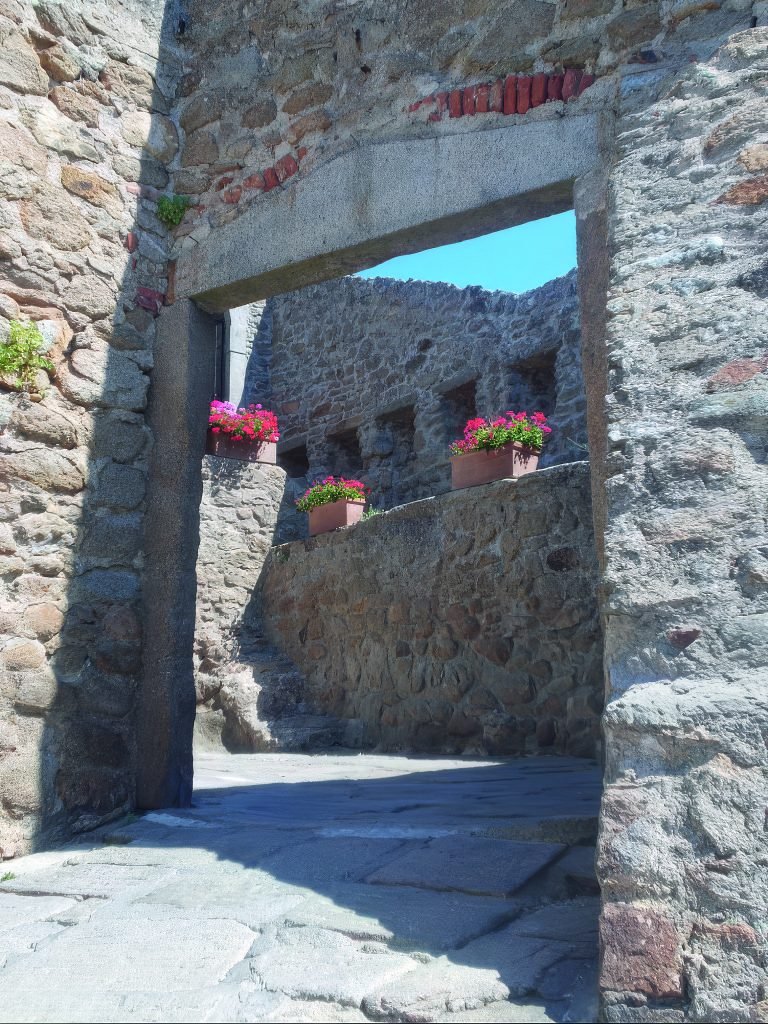
There's a sense of continuity between what you see and what you experience: nothing is constructed to impress, everything exists because it has a function, a history, its own time. Stopping here, even for just a few hours, already means slowing down, accepting a different, less fragmented pace. Heading inland, the island changes register. The road narrows, climbs, and leads to Lily Castle, a village that doesn't seem entirely part of the present. Enclosed by mighty walls, compact, almost introverted, it retains a rare density. The stones speak of defense, of waiting, of resistance. Walking through the alleys means entering a space where time has not been erased, but stratified. Every opening offers an unexpected glimpse, every curve holds a memory. There is no spectacle, but depth.
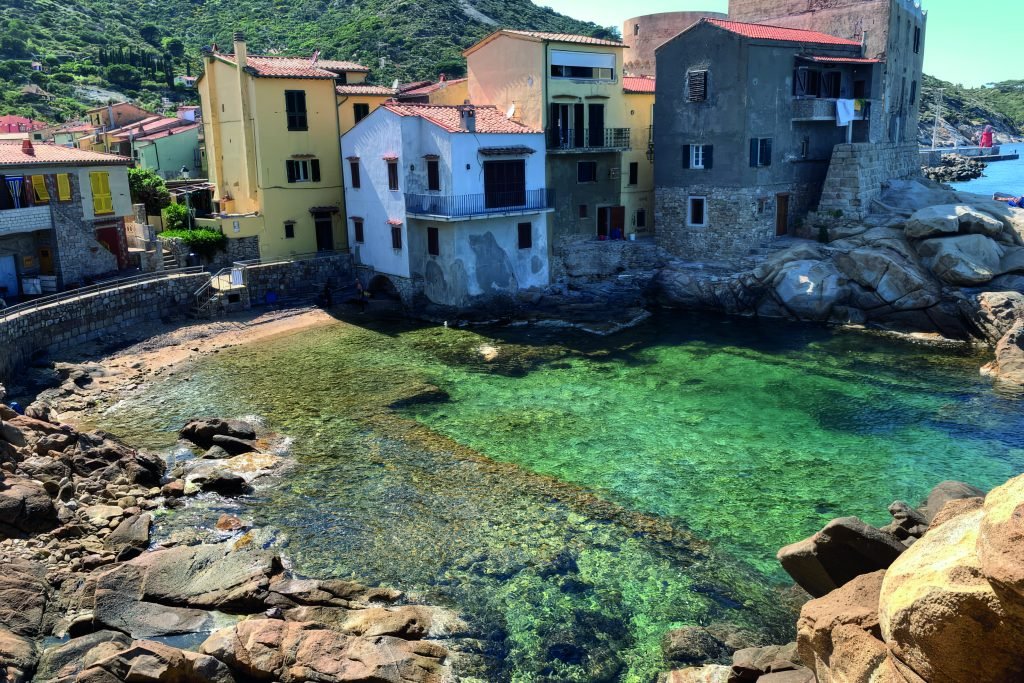
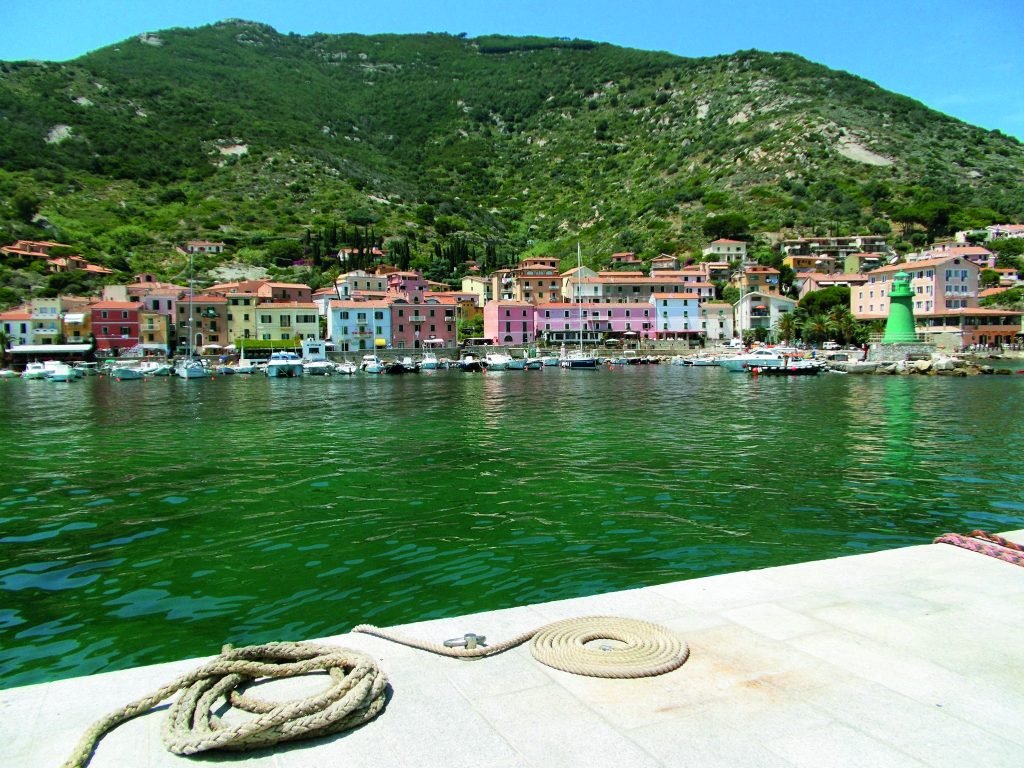
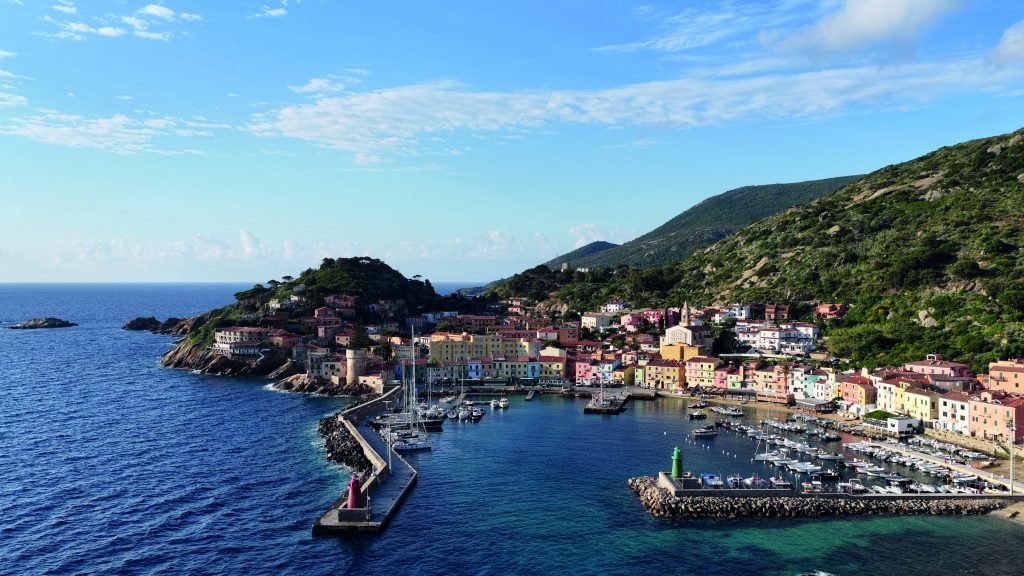
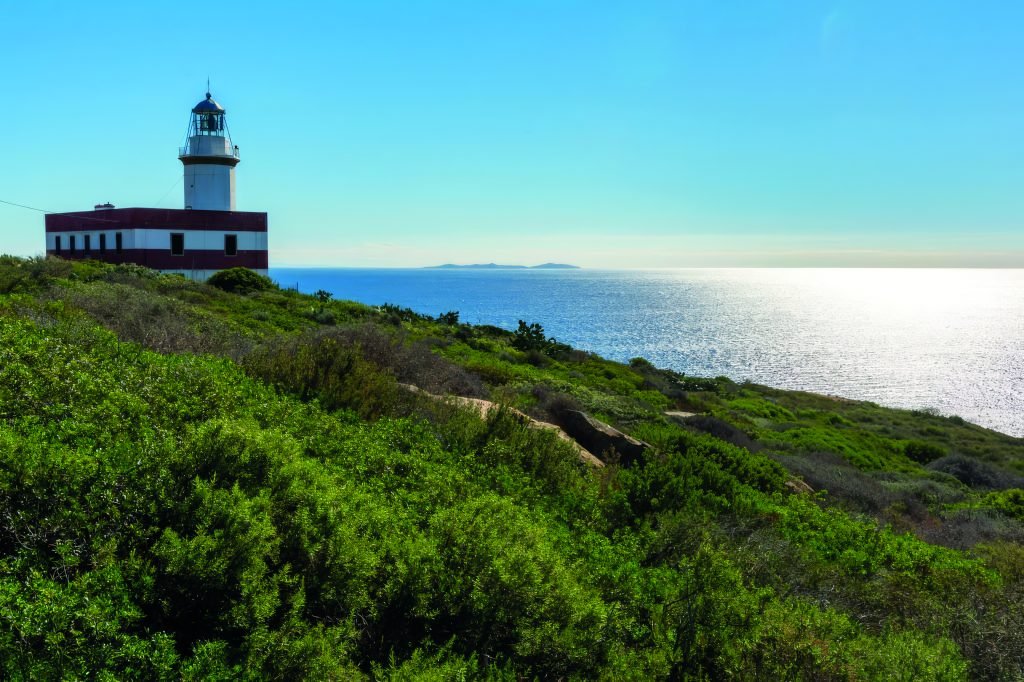
The fortifications that mark the island's profile tell a distinct story, one of incursions, control, and necessity. Towers and bastions are not decorative elements, but concrete responses to a complex past. Today, they remain as silent presences, perfectly integrated into the landscape, offering a more complete understanding of the territory. From these elevated vantage points, the view opens onto a sea that is never merely a backdrop, but a constant interlocutor.
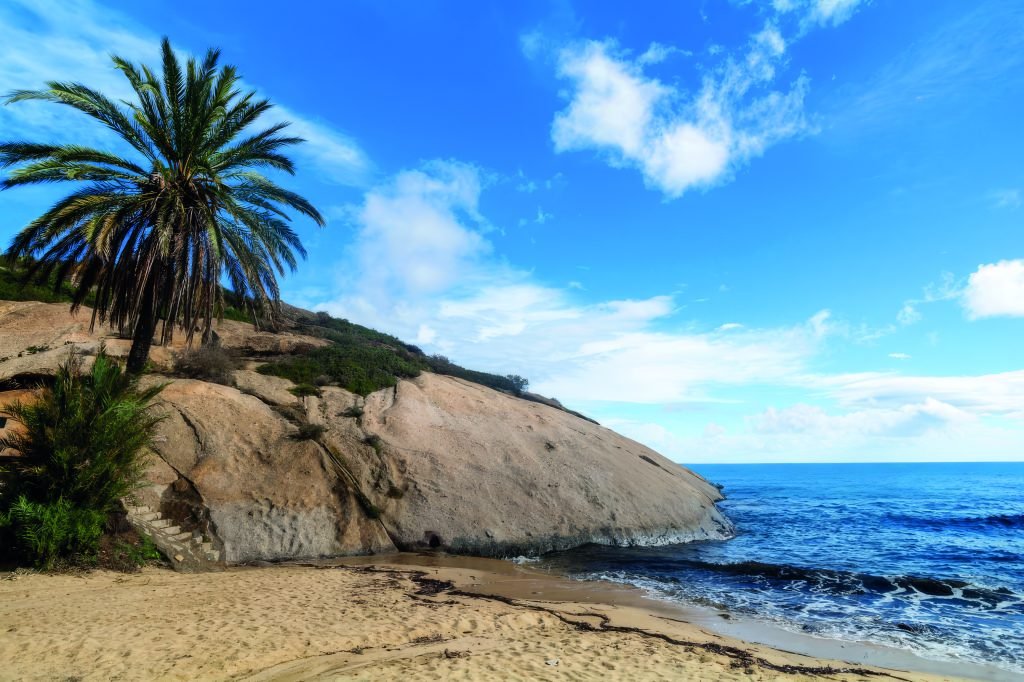
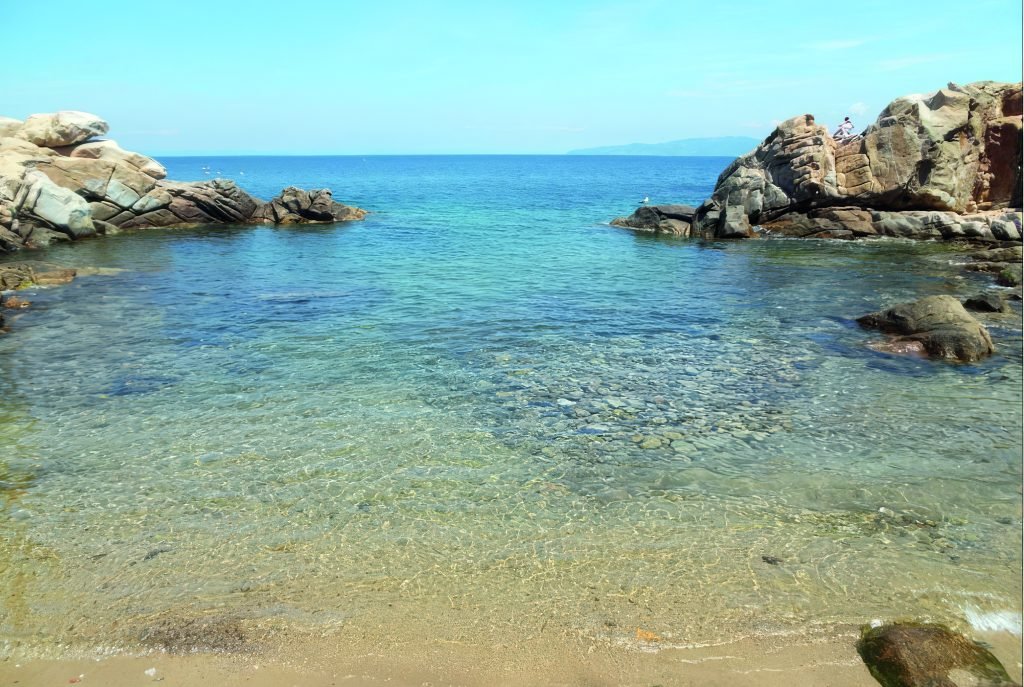
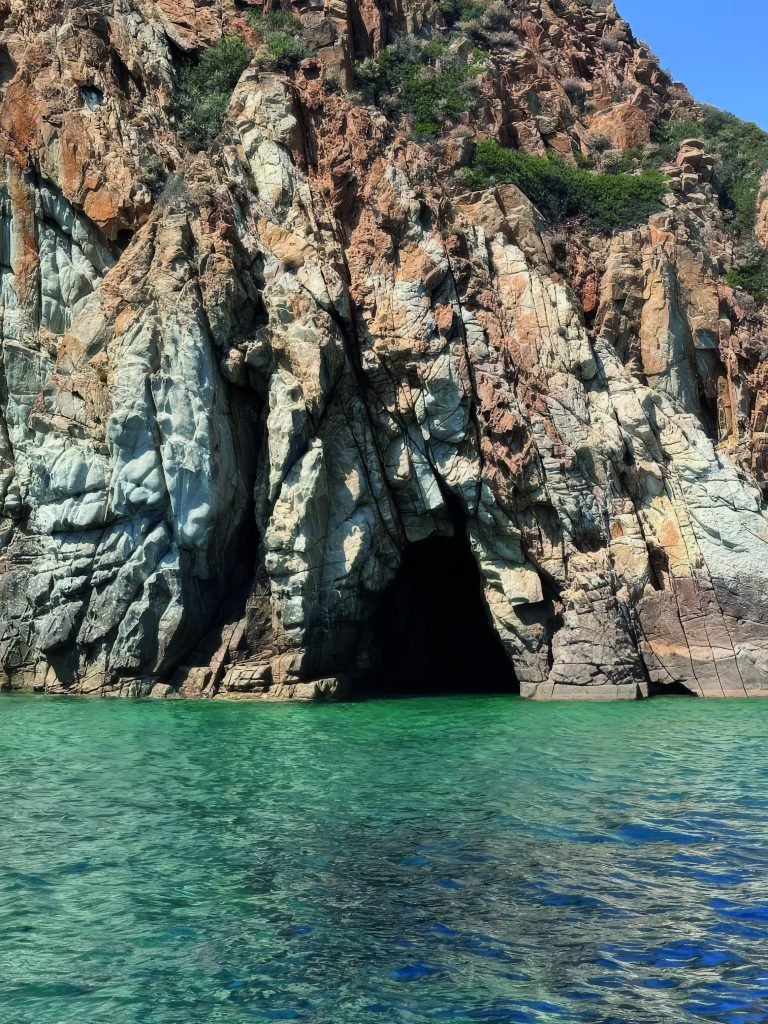
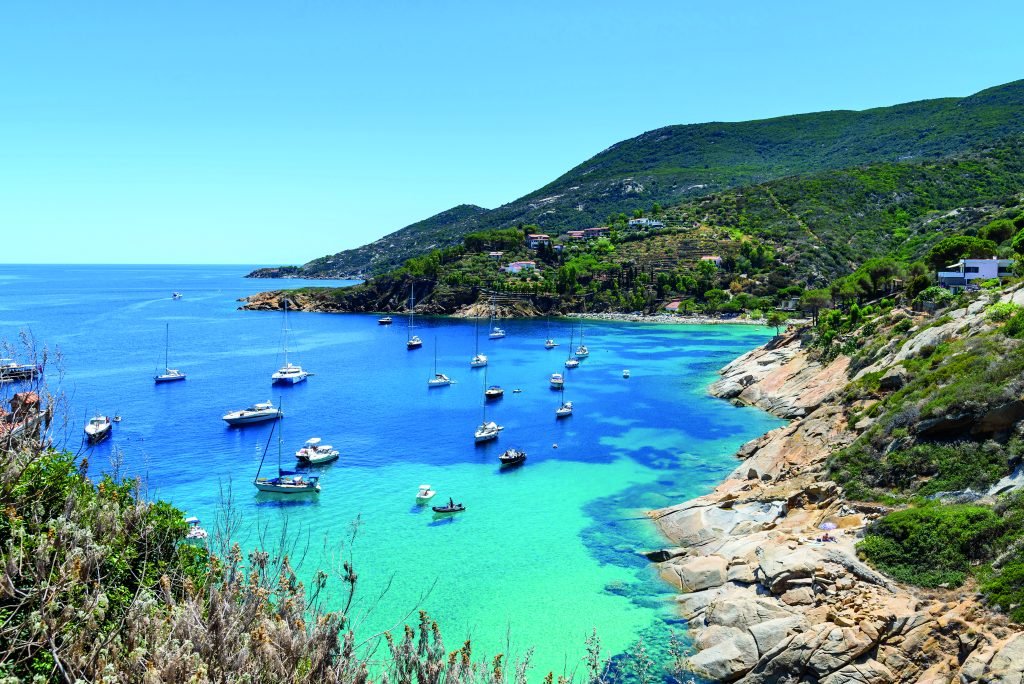
The sea, in fact, is the true measure of Giglio. Its waters have a clarity that needs no description: it's simply visible. The hues change with the light, seamlessly shifting from turquoise to deep blue. Coves hide among the rocks, cliffs drop sharply, beaches suddenly open up. Every point of the coast offers a different relationship with the water: more secluded, more exposed, more intimate. Diving here is not a touristic gesture, but a physical, direct, almost necessary experience. Yet the island doesn't end at its perimeter. The paths that crisscross it lead to an unexpected interior, made of hills, Mediterranean scrub, and dry, lingering scents. Myrtle, juniper, rosemary: simple elements that create a precise olfactory landscape. Walking means changing perspective, moving away from the sea to find it from another height. The silence here is clearer, more present, interrupted only by the wind. The table completes the experience without betraying it. The fish arrives directly, prepared with respect, without frills. The recipes are essential, deeply rooted, and consistent with the context. Alongside, the local wines tell the story of a land that, despite its limited space, has a distinct voice. Ansonaco, with its mineral structure and controlled intensity, is perhaps the most precise synthesis of this identity. Drinking it at sunset, when the light fades and everything softens, one understands how every element here is part of a coherent system.
Staying on Giglio means accepting a subtraction. Less stimulation, less urgency, less noise. In exchange, a different quality of time. The days aren't filled: they just happen. A walk, a swim, a break. Nothing else is needed. Giglio Island doesn't seek to be remembered. And precisely for this reason, it remains.