ELEGANCE AND STORM: THE IMBALANT TALENT THAT TRANSFORMED THE FIELD INTO A STAGE AND THE GAME INTO ART

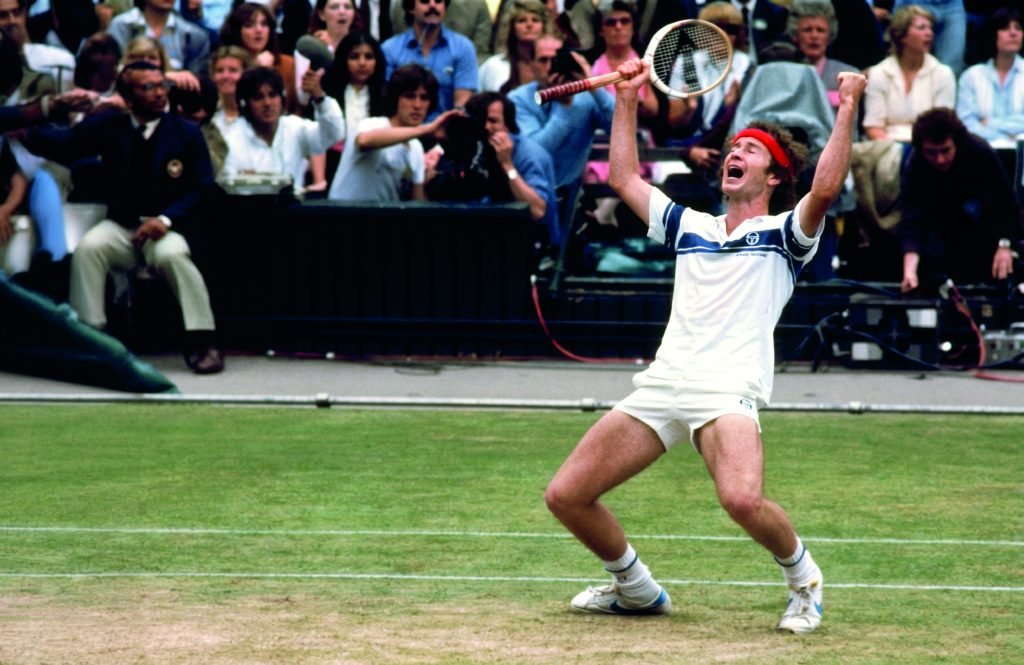
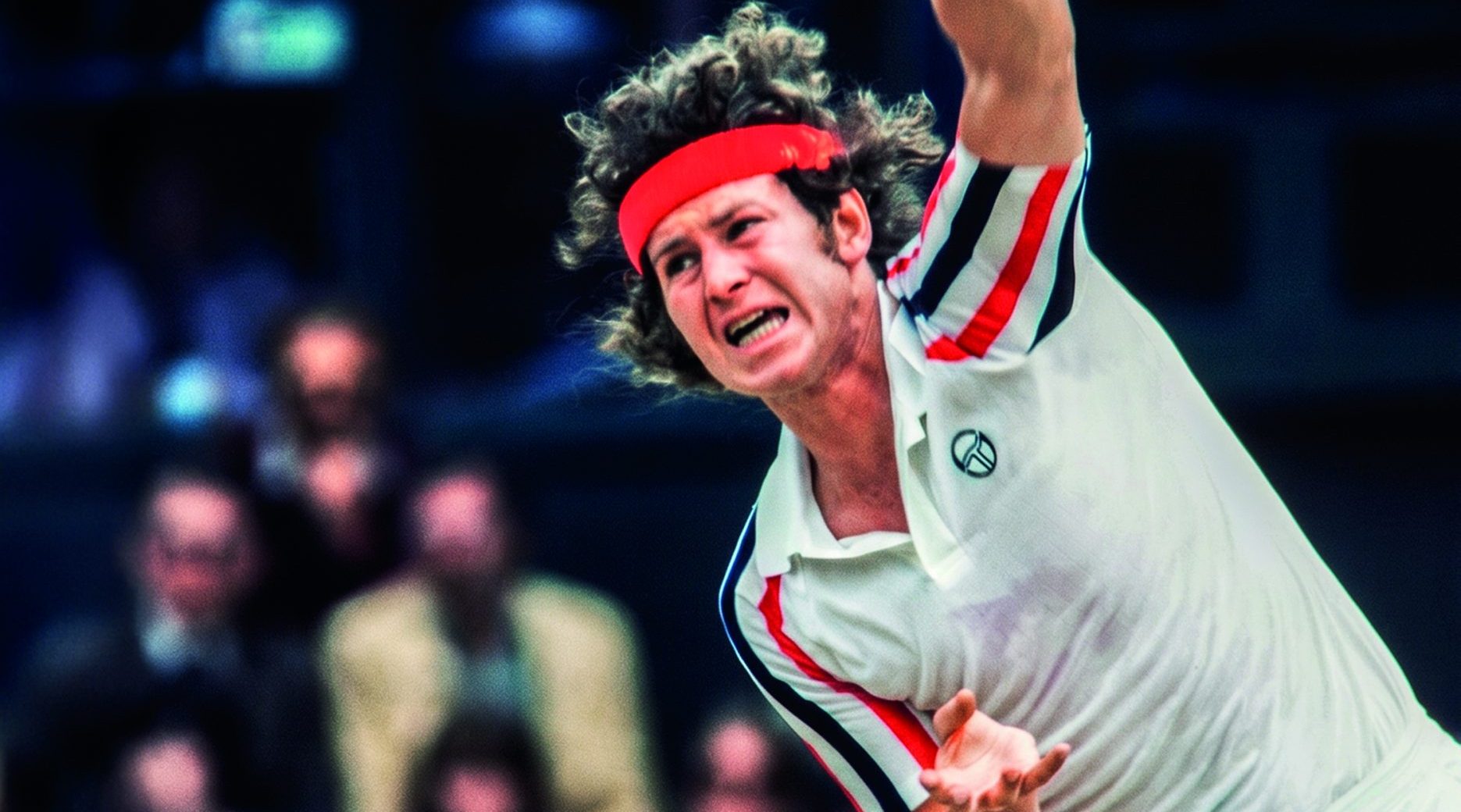
There was a time when tennis wasn't just discipline, geometry, and silence. It was pure electricity, tension, and spectacle. At that time, John McEnroe's name resounded like a powerful echo across the courts. Wimbledon and of the US Open, bringing with him a talent so natural it seemed instinctive, almost wild, capable of shaking the foundations of a sport until then stuck in its centuries-old traditions. McEnroe was not simply a champion: he was an absolute interpreter, a racket dramatist capable of transforming every match into a story full of pathos, where victory was never just a statistic, but the culmination of an emotional catharsis. His game broke the traditional mold of muscular power. As the world of tennis began to move toward athletic vigor, “SuperBrat” He responded with velvety touches, surgical volleys, and impossible angles that seemed to defy the laws of physics. He was the opposite of blind force: he was extreme sensitivity, peripheral vision, constant improvisation. An artist who used the strings of his racket like those of a violin. But the charm of McEnroe It wasn't limited to his tennis aesthetic. It was his volcanic character that made him unique and, in some ways, unrepeatable. His famous outbursts against umpires and linesmen, his angry soliloquies and the rackets he slammed to the ground have become as legendary as his winning shots. That famous "You cannot be serious!", shouted on the sacred lawn of Wimbledon in 1981 against the referee Edward James, he became the universal symbol of a personality who rejected any form of compromise.
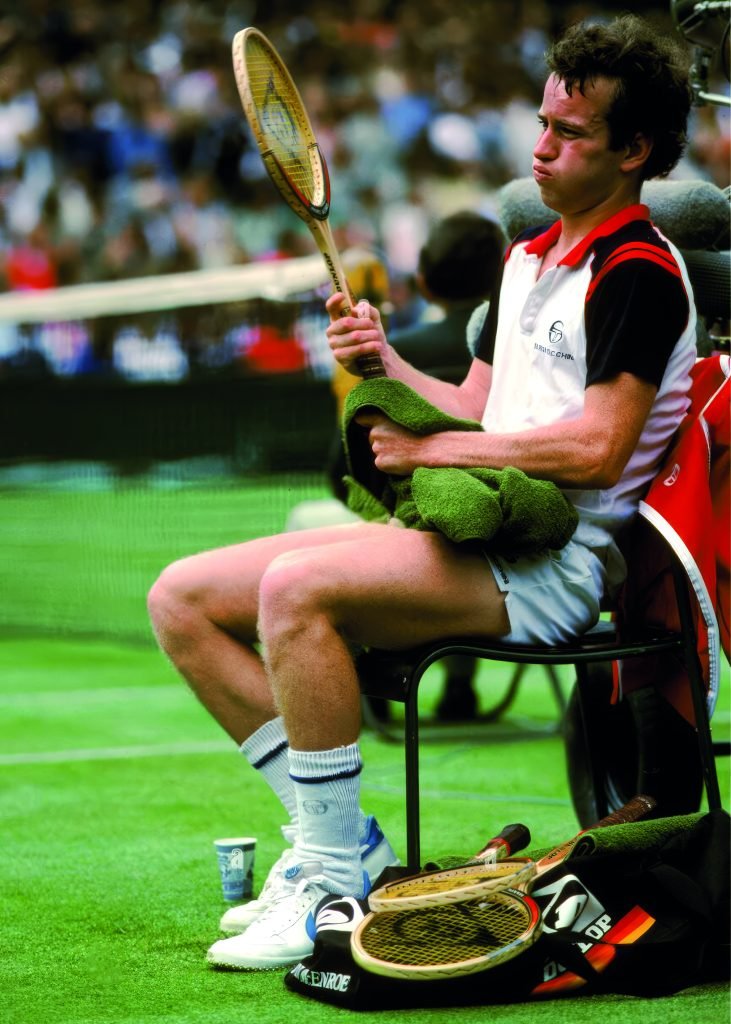
McEnroe didn't contest out of simple rudeness; he contested because he lived every point as if it were the last remaining fragment of his life, every questionable umpire decision as a personal wound in his pursuit of perfection. This obsessive perfectionism led him to apparent self-destruction, from which, however, he almost always managed to draw devastating competitive strength. He was a man at war with everyone, but especially with himself and mediocrity.
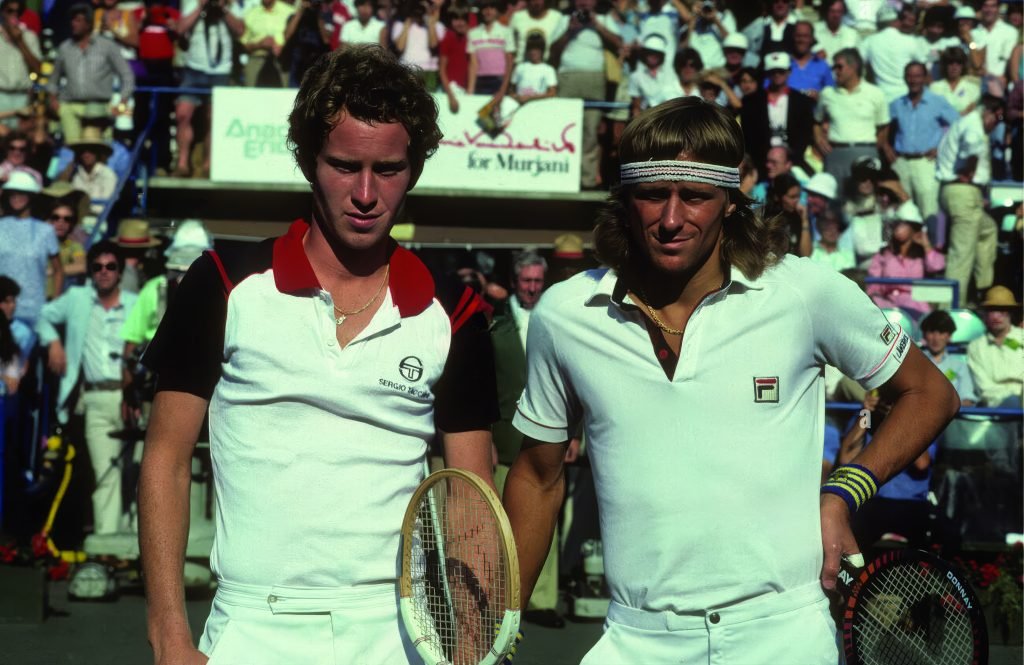
His time was one of great duels, of rivalries that have written the history of modern sport. The most iconic, the one with Björn Borg, is still considered today the most fascinating contrast of styles and temperaments ever seen on a playing field: the “Ice” against the “Fire”, the imperturbable silence of the Swede against the perennial storm of the American.
The Wimbledon final of 1980 remains an eternal monument to this rivalry. The tie-break of the fourth set, which lasted 22 minutes and ended 18-16 for McEnroe, is still studied today as a testament to psychological endurance and technical beauty. Although Borg won that match, McEnroe proved to the world that his "fire" could consume even the most solid ice.
The following year, in fact, McEnroe would end Borg's five-year reign in London, marking the passing of the baton and pushing his rival into an early retirement, almost as if Borg could no longer conceive of tennis without his necessary opposite.
Alongside Borg, McEnroe shared the fate of other giants, in an era when the draw of a tournament looked like the poster of an action movie. He faced the irreverent power of Jimmy Connors, with whom he gave rise to fierce clashes fueled by a mutual, authentic competitive antipathy. He challenged the Mediterranean flair of Adriano Panatta, the crazy and unpredictable genius of Ilie Năstase, the granite solidity of Guillermo Vilas and the charismatic elegance of his great friend Vitas Gerulaitis.
It was a unique generation of "characters," men who brought their neuroses, their passions, and their lifestyles to the court. Every match was a confrontation between different souls even before it was a confrontation between flat or top-spin shots. In this ecosystem of strong personalities, McEnroe stood out because he was the most technical of the
rebels and the most rebellious of the technicians.
The numbers tell only a part of his greatness: 7 titles of Grand Slam in singles and a remarkable 9 in doubles, a sport McEnroe loved and played with a vision few others have ever possessed. He was world number one for four consecutive years, from 1981 to 1984, and led the United States to five Davis Cup victories, a competition he lived with visceral patriotism.
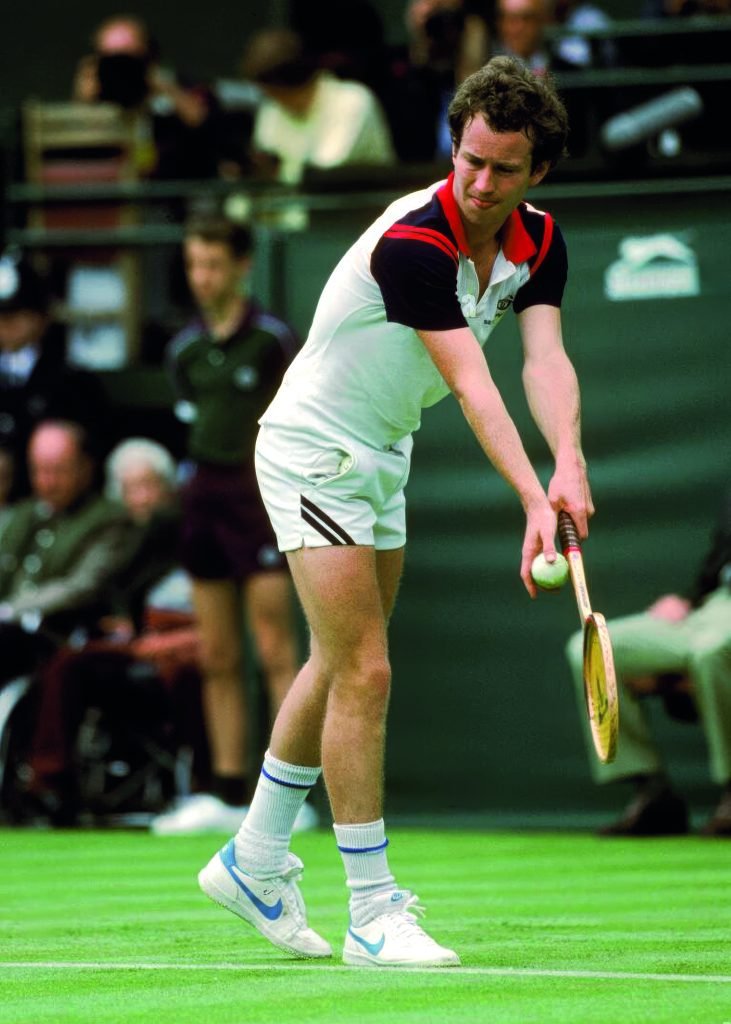
However, it is the imprint he left on the evolution of the game that truly defines his legend. He elevated serve-and-volley to a form of classical dance lent to war. His serve, with his body positioned almost with his back to the net, was an enigma to his opponents. His ability to hit the ball on the bounce, stealing his opponent's time, anticipated modern tennis, while retaining an ancient grace. McEnroe didn't hit the ball: he followed it where his opponent couldn't reach, using his wrist like a paintbrush. Yet, behind the impetuosity and shouting, lurked a rare sensitivity and an almost poetic fragility. McEnroe felt tennis physically, almost painfully. Every mistake wasn't just a lost point, but an internal torment, a stain on a canvas he wanted immaculate. Every victory wasn't a triumph of vanity, but a momentary liberation from his own demons.
This exposed vulnerability made him human, approachable, authentic. The public loved him or hated him, but they couldn't remain indifferent because McEnroe was real. There was no filter between what he felt and what he did. He was perhaps the last great champion to demonstrate that genius, to be such, must endure the risk of failure and the acceptance of one's own imperfection.