AMONG RUNNING HILLS AND GOLDEN REFLECTIONS SLIDING ON THE WATER, AN INTERTWINING OF HISTORY, MELANCHOLY, AND REBIRTH TAKES SHAPE IN A CITY MADE OF CLIMBS, SILENCE, AND OPEN HORIZONS, WHERE EVERY STEP CROSSES DIFFERENT ERAS AND EVERY GLANCE IS LOST BETWEEN MEMORY AND INFINITY.

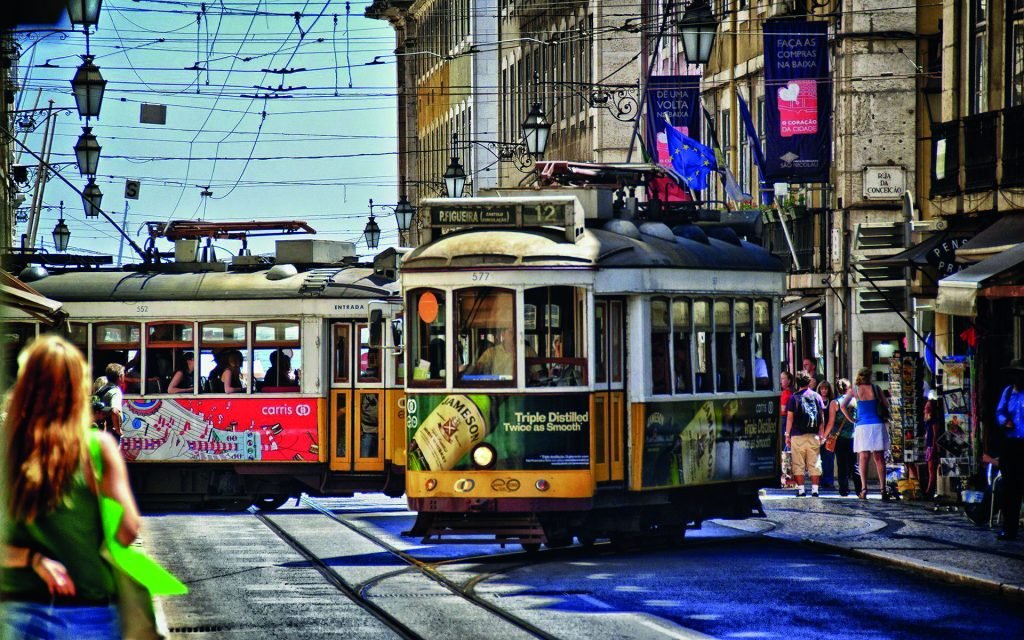
At the point where the Tagus Opening onto the Atlantic, suspended between light and nostalgia, stands Lisbon, one of Europe's most fascinating and luminous capitals. A UNESCO World Heritage Site, the city is a perfect blend of hills, azulejos, and golden reflections, of history and rebirth, of saudade and modernity. A place to be visited, but above all to be experienced—step by step, like a story etched in the miradouros and trams that wind up its steep streets.
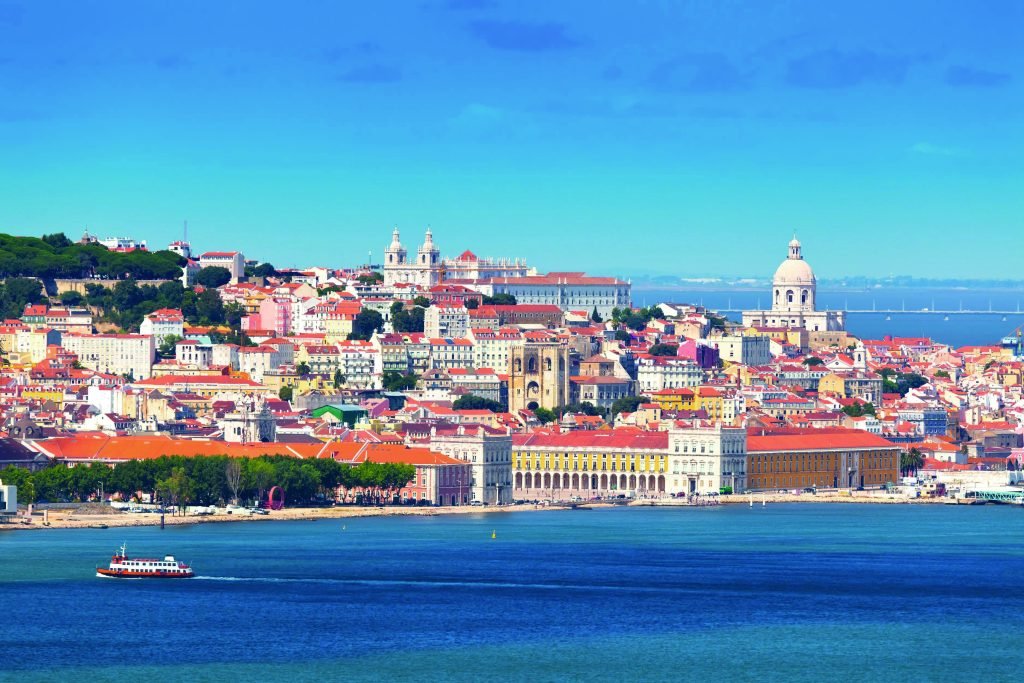
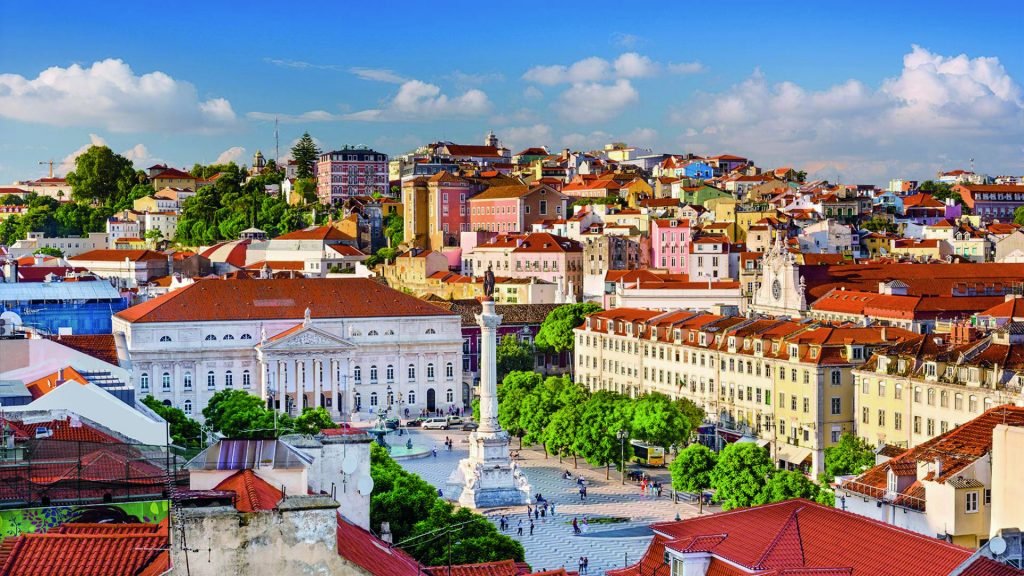
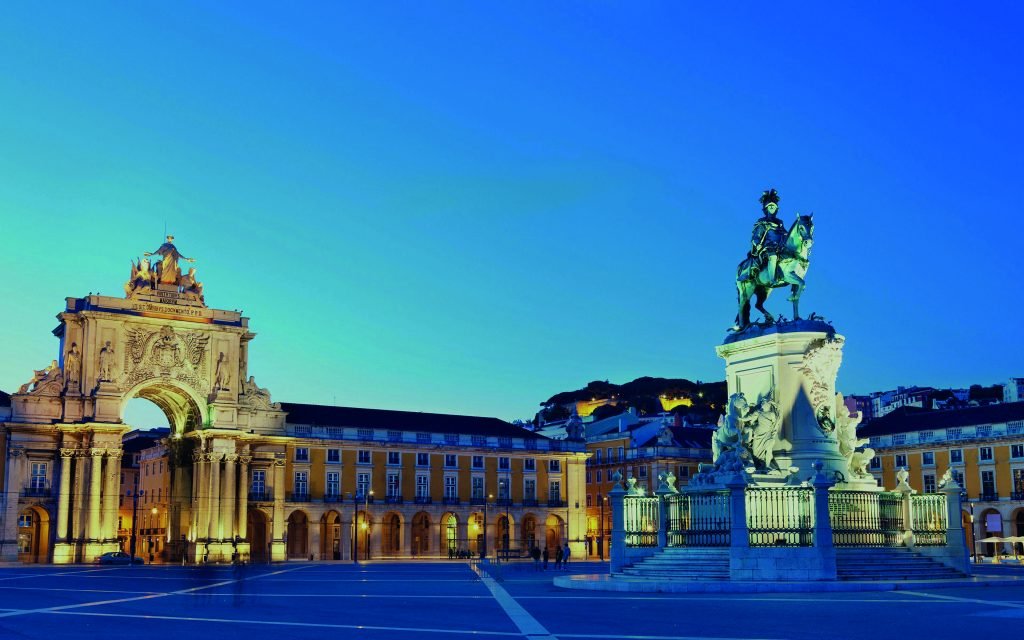
Founded, according to legend, by Ulysses and shaped over the centuries by the Phoenicians, Romans, and Moors, Lisbon is a city that has always transformed its wounds into new beauty. The 1755 earthquake almost completely destroyed it, marking one of the most dramatic moments in its history. It was the Marquis of Pombal to guide its rebirth, designing the Baixa according to a rational and modern plan, made of harmonious geometries and open perspectives. Alongside this new city, old neighborhoods such as Alfama and Mouraria, guardians of a deeper and more authentic memory. Lisbon It thus became a rare example of balance between order and irregularity, between an Enlightenment vision and historical stratification. Its squares, like Praça do Comércio, open solemnly towards the river, while the streets climb between unexpected glimpses and perspectives that change with every step. Here everything tells of a complex identity: the buildings covered in azulejos, the baroque churches, the suspended terraces, the funiculars that connect the different levels of the city.
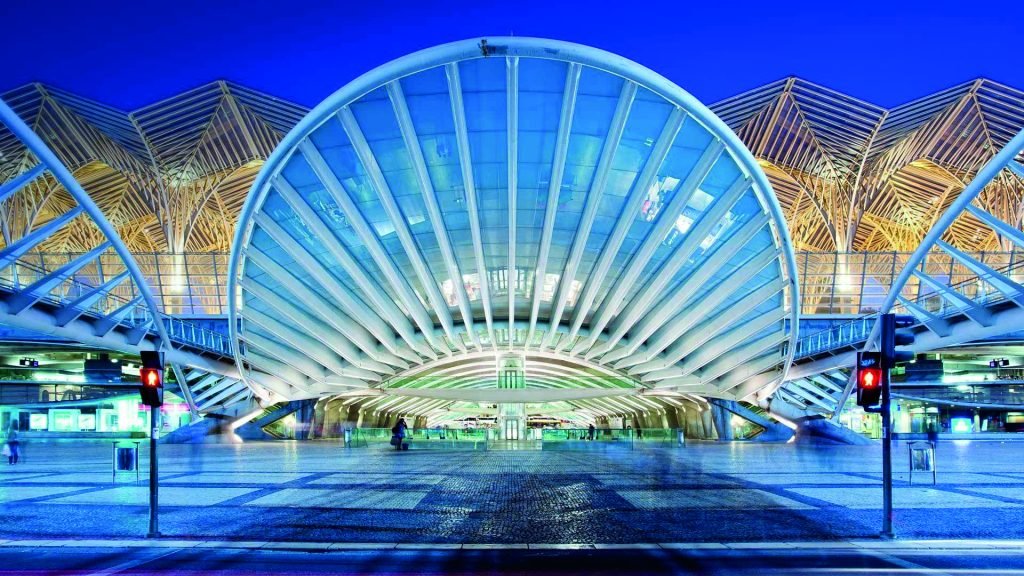
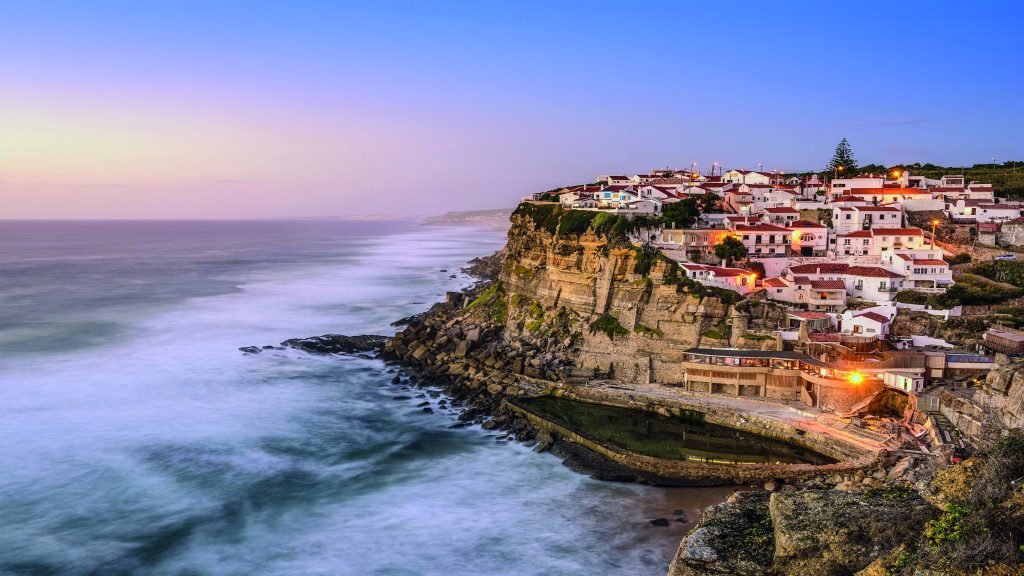
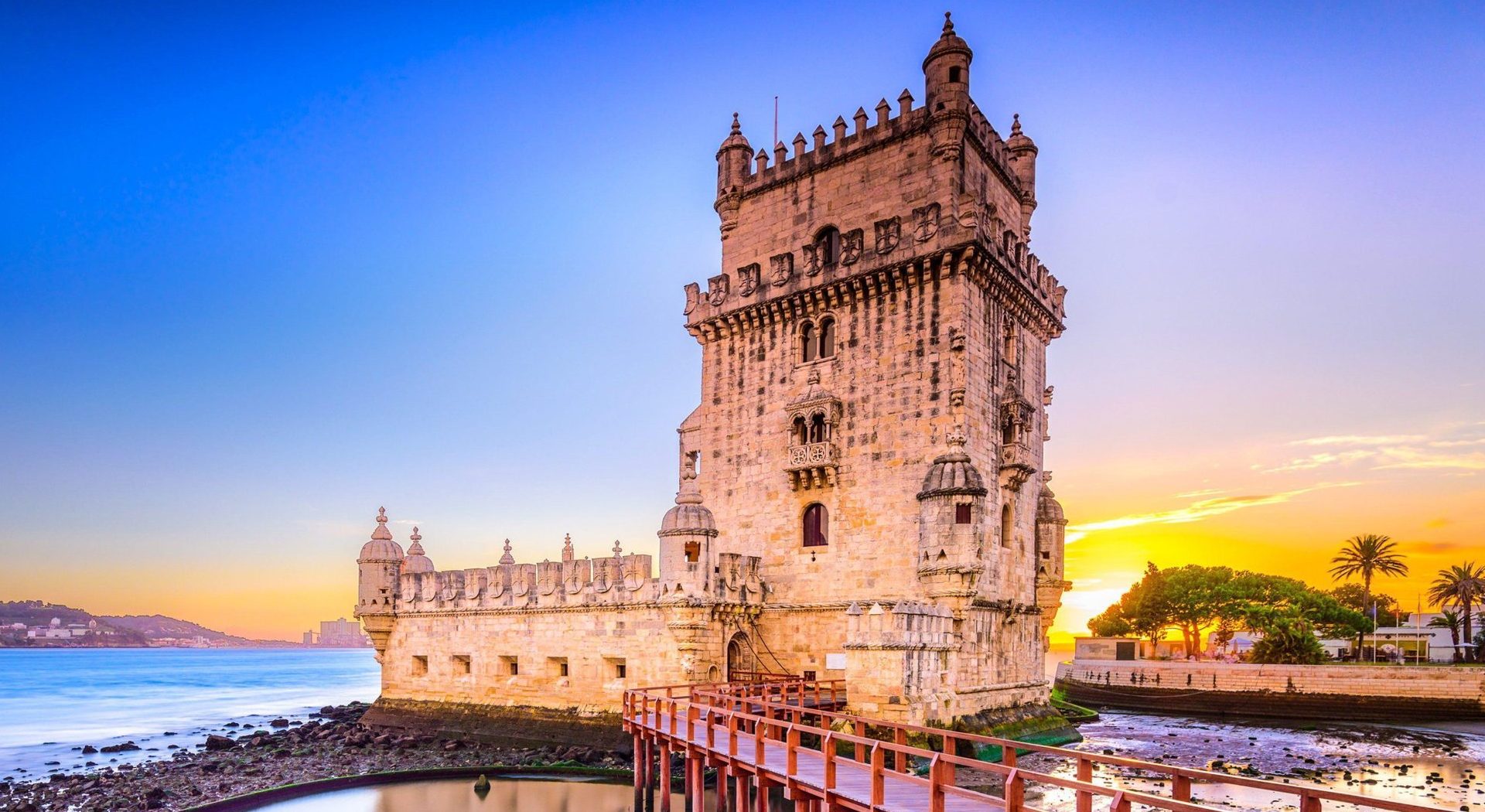
Among its most emblematic places, the Jerónimos Monastery It represents the pinnacle of Portuguese grandeur. A masterpiece of Manueline style, it celebrates the Age of Discoveries and the ambition of a people oriented toward the world. A few steps away, the Belém Tower It stands like a sentinel over the Tagus, a symbol of departures and returns, of oceanic routes and intersecting destinies. Here, history is never distant: it is present, tangible, alive. Not far away, the Museum Calouste Gulbenkian offers a refined journey through ancient and modern art, while the MAAT It tells the story of contemporary Lisbon, projected toward the future. It is the hallmark of a city that has reinvented itself, becoming one of Europe's most dynamic cultural capitals, capable of combining tradition and experimentation with effortless elegance. Lisbon is more than just beauty: it is also resilience and identity. In the alleys of Alfama, amidst huddled houses and hidden courtyards, you can breathe the city's most authentic soul. This is where fado was born, a song of melancholy and destiny, which speaks to the deepest essence of Portugal. A music that is not just listened to, but felt, like an echo that passes through time.
Today the city is experiencing a new era of light. Its carefully restored historic districts open onto breathtaking views of the Tagus, while the miradouros They offer views that blend vertigo and contemplation. By day, light reflects off the pastel-colored facades; by night, shadows create a more intimate, almost suspended city. Walking among Bairro Alto and Chiado It means traversing different eras, united by a single, unmistakable atmosphere. Situated in a scenic and unique location, Lisbon stretches between hills and water, in a natural balance that amplifies its beauty. The river is not just a border, but a constant presence, guiding the gaze and expanding the space. From its banks, the city reveals itself in its entirety, conveying the image of a capital in constant dialogue between
Land and sea. Lisbon today is a cosmopolitan and refined capital, where boutique hotels, signature restaurants, and elegant venues coexist with authentic tradition. In the cobbled alleys, historic cafés and contemporary bistros showcase a cuisine that combines simplicity and character: fresh fish, cod, fragrant olive oil, iconic desserts like pastéis de nata. It's a gastronomy that reflects the soul of the city: essential, luminous, profoundly Mediterranean and Atlantic at the same time.
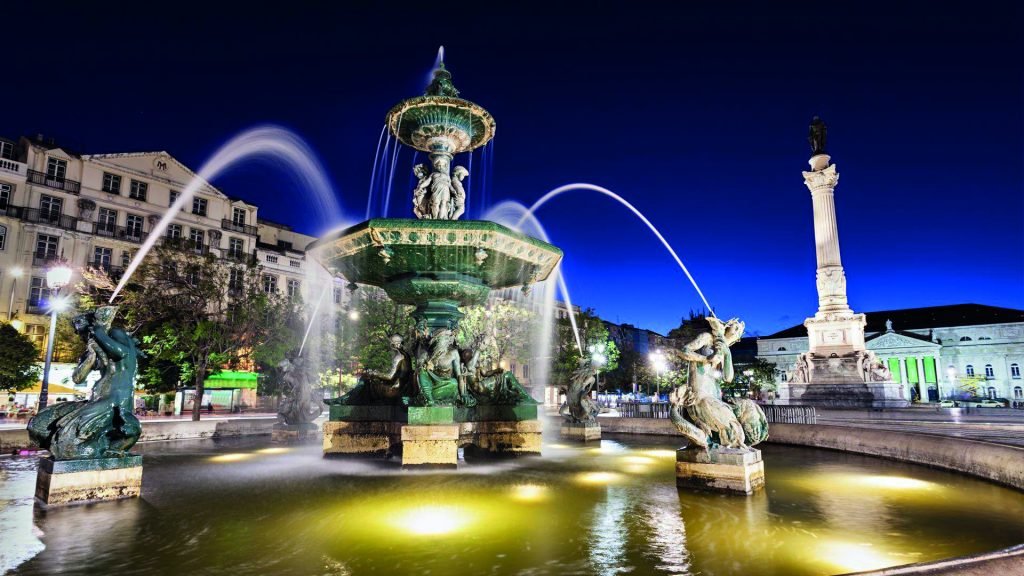
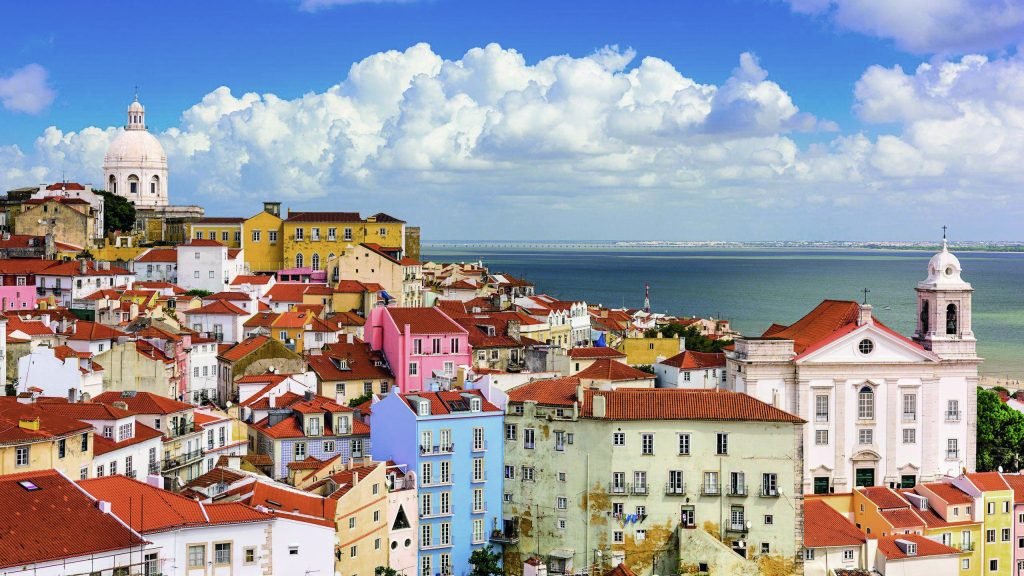
Lisbon's rebirth is a virtuous example of balancing conservation and innovation. The revitalization of historic neighborhoods, cultural development, and a new creative energy have brought it back to the center of the international scene, making it one of the most desirable destinations for contemporary travelers. A city that has transformed its identity into a value, building for the future without betraying the past.
Today, observing it from one of its viewpoints, as the sun slowly sets over the Tagus, one gets the feeling that every street, every facade, and every reflection tells a story of light and resilience. Lisbon is more than just a destination: it's an experience to be savoured slowly, allowing its unique atmosphere to permeate you. It's a place that lingers, that accompanies you, that returns. A city that doesn't need to amaze, because it is already, quite simply, unforgettable.