IN THE HISTORY OF ART, THERE IS A PRECISE MOMENT WHEN EVERYTHING CHANGES. NOT SLOWLY, NOT BY ACCUMULATION, BUT BY A RARE, ALMOST UNREPEATABLE ALIGNMENT BETWEEN VISION AND POWER, TALENT AND DESTINY. IT IS A MOMENT WITH A PLACE—ROME—AND TWO PROTAGONISTS: A VERY YOUNG ARTIST AND A MAN WHO WOULD REDEFINE THE VERY ROLE OF THE PATRON.

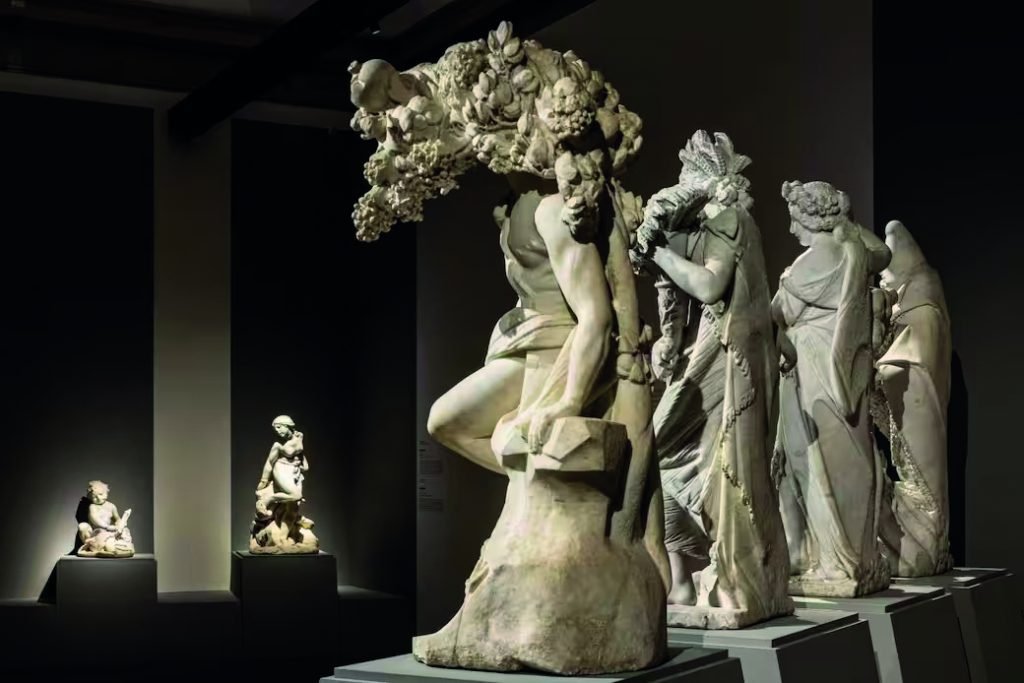
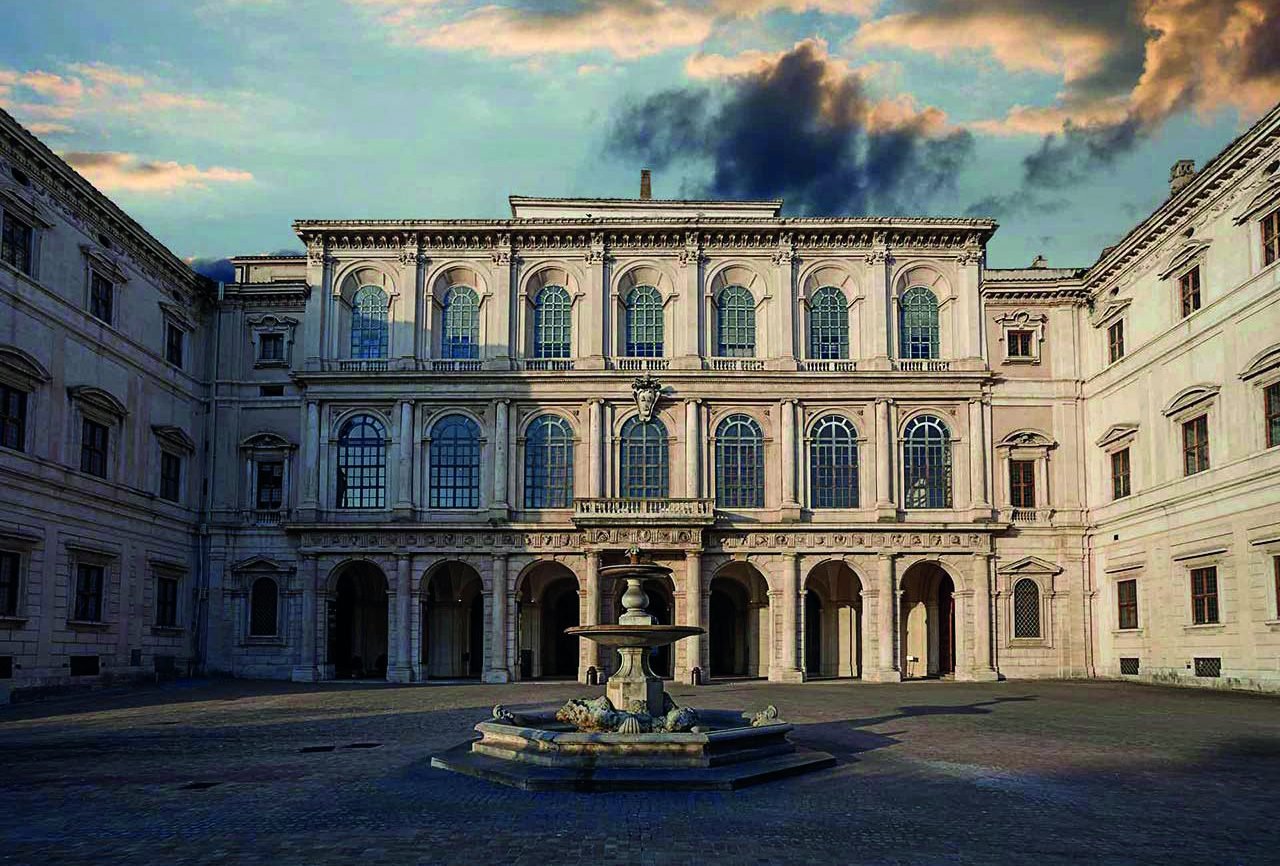
After the success of Caravaggio 2025, the rooms of Barberini Palace return to be the stage for an ambitious and necessary narrative. From February 12th to June 14th 2026, the exhibition Bernini and the Barberinis, curated by Andrea Bacchi and Maurizia Cicconi, doesn't just tell the story of an artist: it reconstructs a relationship. A human, intellectual, and political bond that changed the course of European art.
In the center, Gian Lorenzo Bernini and Maffeo Barberini. The first, a prodigy destined to become universal. The second, a man capable of recognizing the future before it manifested itself. When Barberini became pope in 1623 under the name of Urban VIII, that relationship transformed into something more: a direction, a shared vision, a cultural project that would take shape in post-Tridentine Rome.
It's not just a question of clients. It's a convergence. A “wonderful situation”, to use Galileo's words, where everything seems to find its balance. It is from there that the Baroque takes shape, not as a style, but as a language.
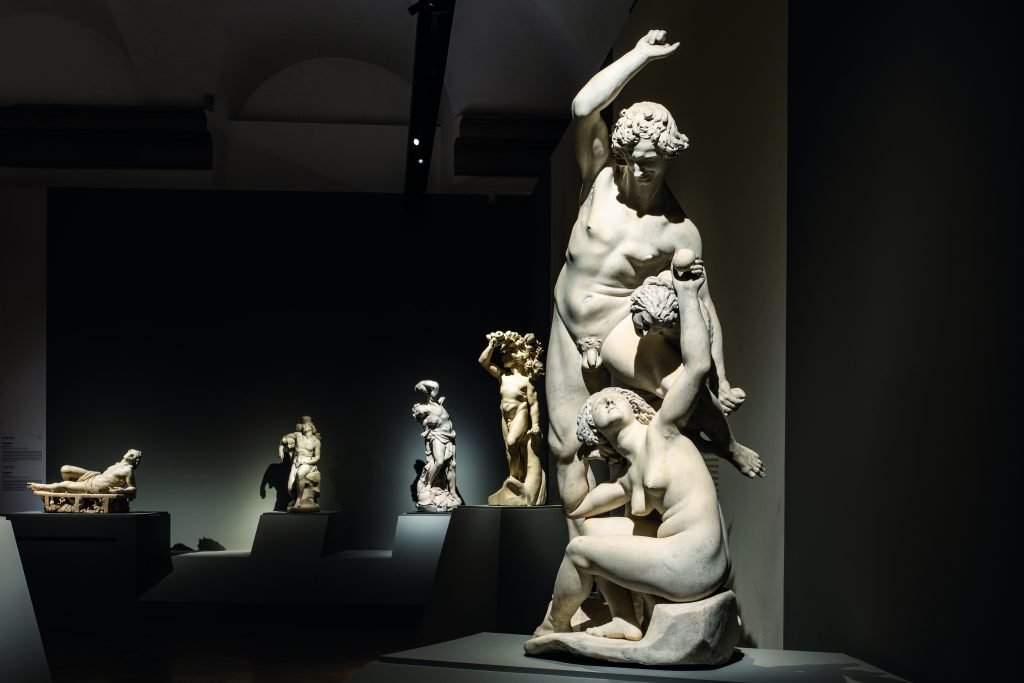
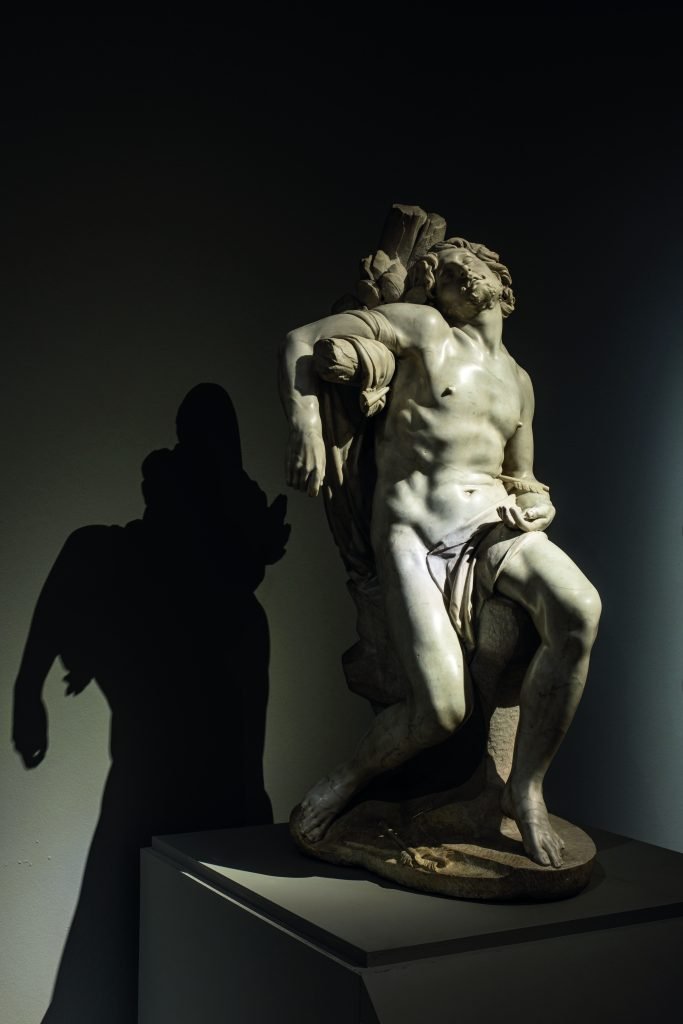

A language capable of speaking to the body and mind, to faith and the gaze, transforming space into experience and art into story. The exhibition constructs, for the first time, a coherent reading of this relationship. Not a simple chronological journey, but a narrative structure in six chapters, in which each work becomes a clue, each comparison a stance.
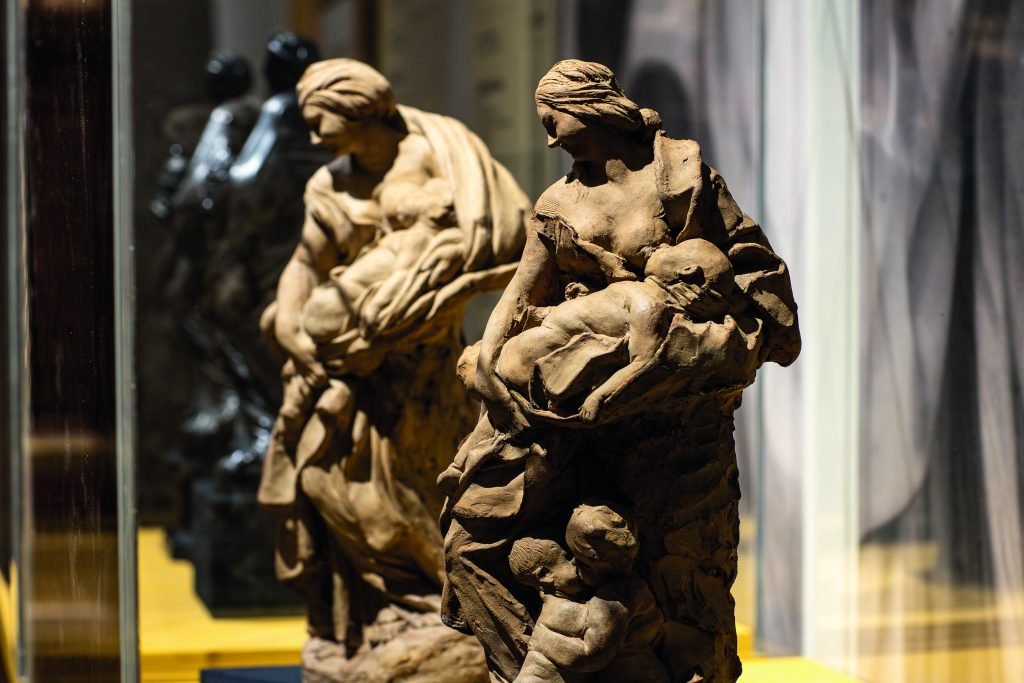
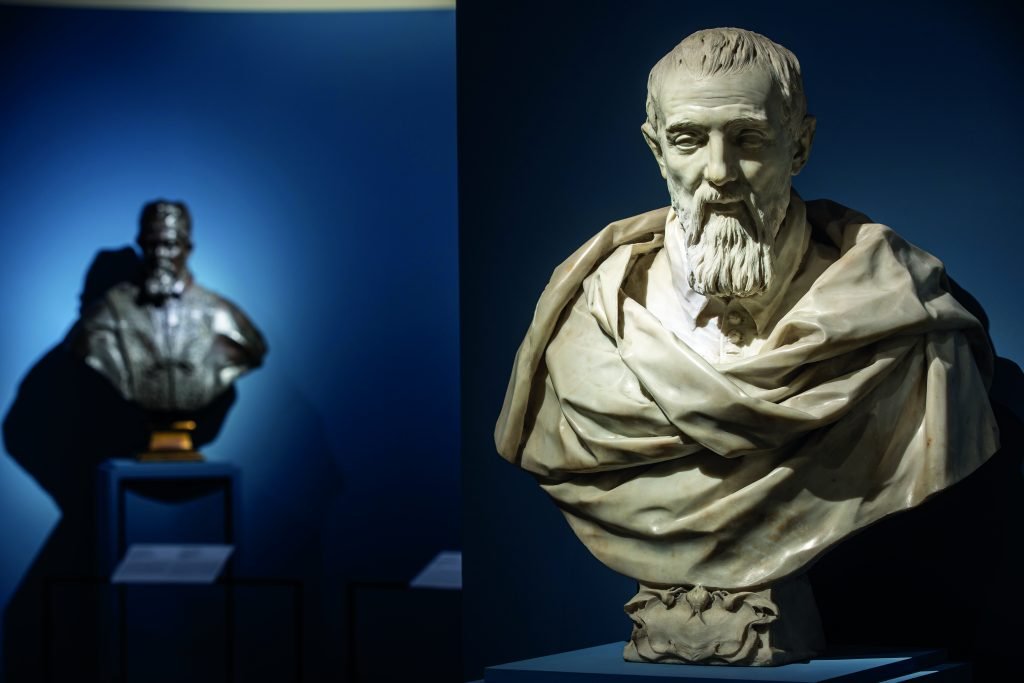
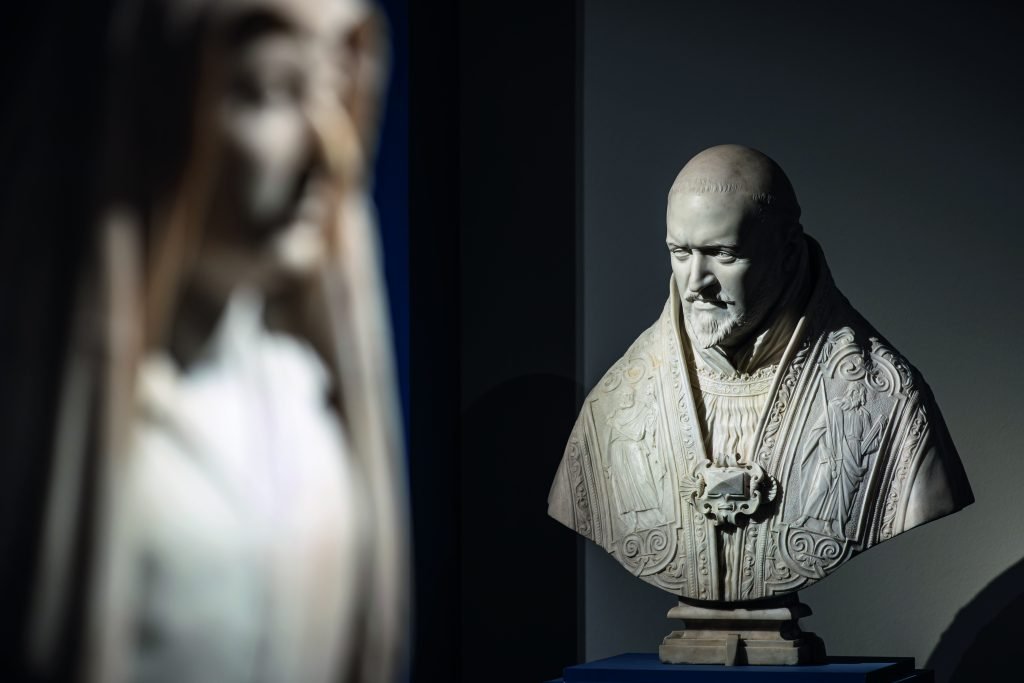
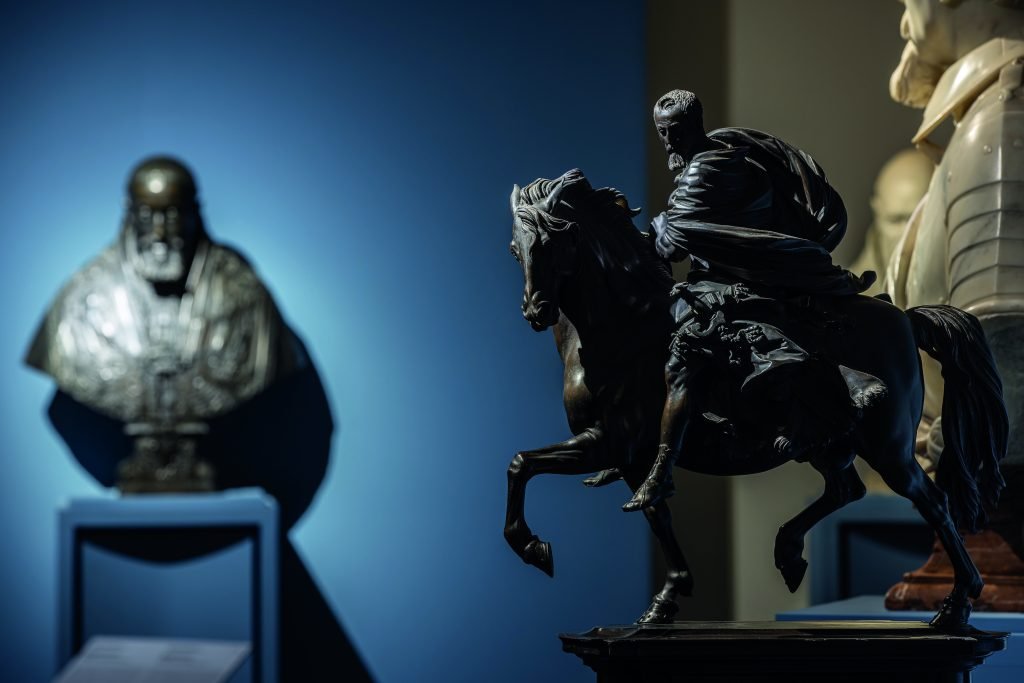
We begin at the beginning, from that almost invisible moment when everything takes shape. The young Bernini, still in his father Pietro's workshop, is observed, intuited, chosen. Maffeo Barberini He doesn't just see technical skill: he recognizes an opportunity. He guides him beyond the artisanal dimension, pushing him toward a freedom that also involves responsibility. In works still poised between collaboration and autonomy, a new tension is already perceptible: the material comes alive, the space opens up, the viewer enters the work. Then there is Saint Peter. Not just a place, but a manifesto. With the consecration of the new basilica in 1626, a phase began in which art and power coincided. Bernini, just over twenty-five years old, was commissioned to intervene in the symbolic heart of Christianity. Canopy It is neither a sculpture nor an architecture: it is a total device, a visual machine that organizes space and imbues it with meaning. Everything interacts: the relics, the light, the very structure of the basilica. It is the "beautiful composition," where each element exists only in relation to the others. At the same time, another language takes shape: that of portraiture. The faces of the pontiffs, cardinals, and courtiers are no longer just official images. They become presences. The marble comes alive, the surface vibrates, the gaze captures something human, even fragile. In the portraits of Urban VIII, repeated and varied, an iconography of power is constructed that is both political and psychological. And then there's the palace. Palazzo Barberini is not just the exhibition's container: it's part of the story. A choral work, in which Bernini dialogues and engages with Borromini And Peter of Cortona. Architecture, decoration, space: everything contributes to creating an environment that doesn't simply represent power, but stages it. It is here that the Baroque becomes an everyday experience, an inhabited form, a living structure. Barberini's Rome thus emerges as a complex system, made up of relationships, competitions, and presences. The busts of the men who gravitate around the pope—cardinals, intellectuals, eccentric figures—reflect a world in transformation. There is not a single style, but a plurality of languages that observe, challenge, and influence one another. Bernini is at the center, but he is not alone. Bernini and the Barberinis is not just an exhibition. It is an investigation into how a language is born. Into how power can recognize talent and transform it into vision. Into how, in a specific historical moment, art and history cease to be parallel and become one and the same.
And perhaps that's precisely the point. The Baroque didn't arise by chance. It was born from an encounter.
And from there, it never stops.