A CAPITAL SUSPENDED BETWEEN BASTIONS OVER THE SEA, OLD NEIGHBORHOODS, AND BRIGHT BEACHES: THE MOST AUTHENTIC FACE OF SARDINIA, DISCOVERED BY LIGHT.
The capital of Sardinia slowly reveals itself, between the intense blue of the Gulf of Angels and the hills that guard its historic neighborhoods. It is a Mediterranean city in the truest sense of the word: elegant without ostentation, ancient but vibrant, suspended between millennia of history, wild nature, and a daily pace that invites you to slow down. Arriving in Cagliari From the sea, you can see the city emerge like a natural amphitheater, with the white walls of the Castello district overlooking the harbor. This is where it all begins.
The oldest district, fortified by the Pisans in the 13th century, still retains the austere and fascinating atmosphere of medieval cities.
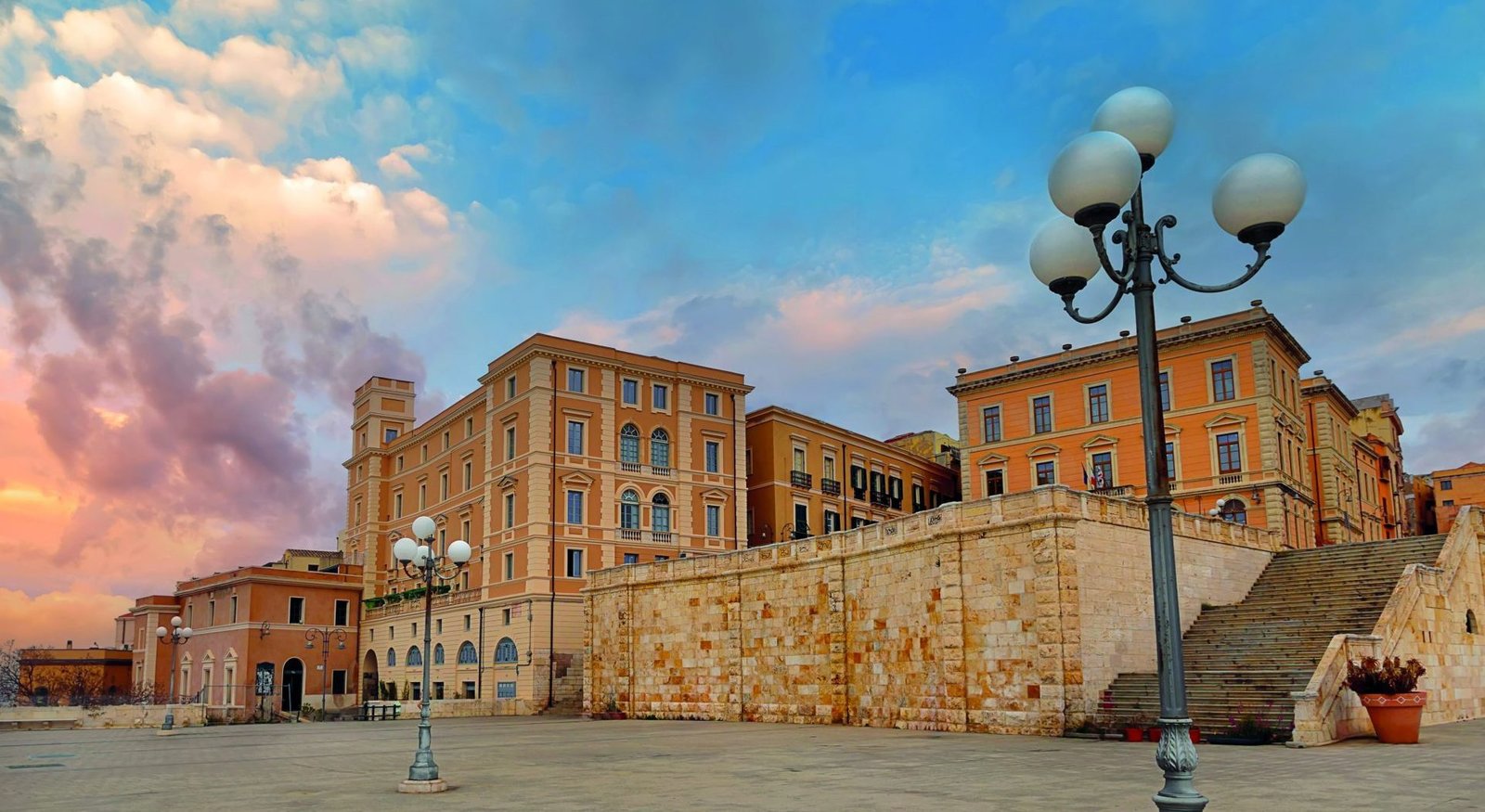
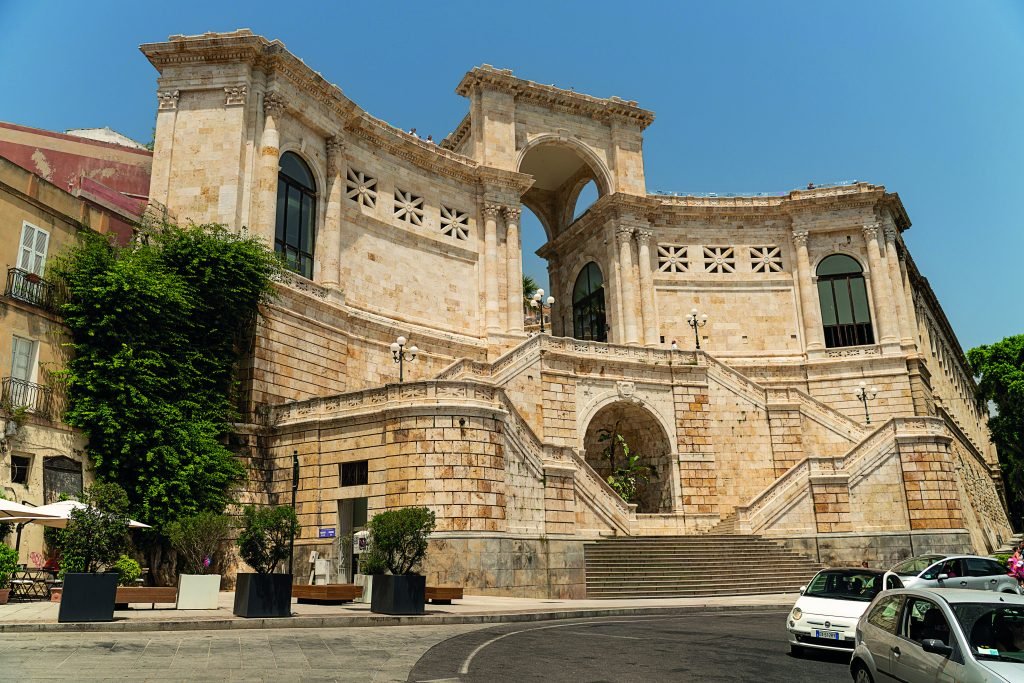
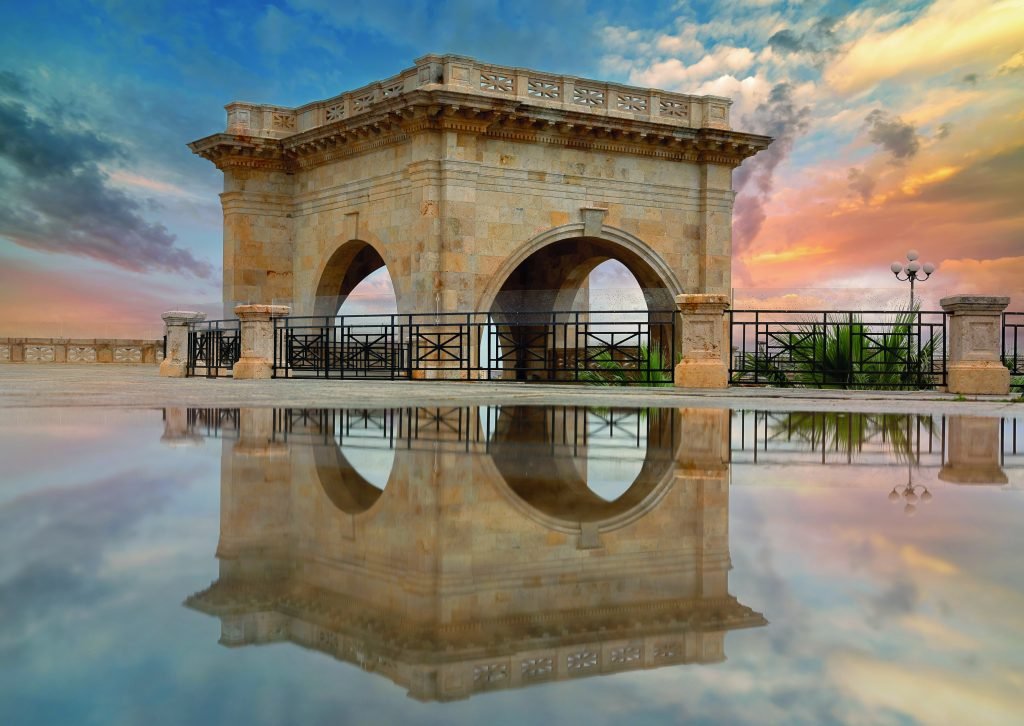
The narrow streets wind between noble palaces, stone arches, and unexpected glimpses of the sea. The scenic heart of this part of the city is the Bastione di Saint Remy, a large monumental terrace built between the 19th and 20th centuries. Climbing up to its upper walkway means finding yourself in front of one of the most beautiful views of the city.
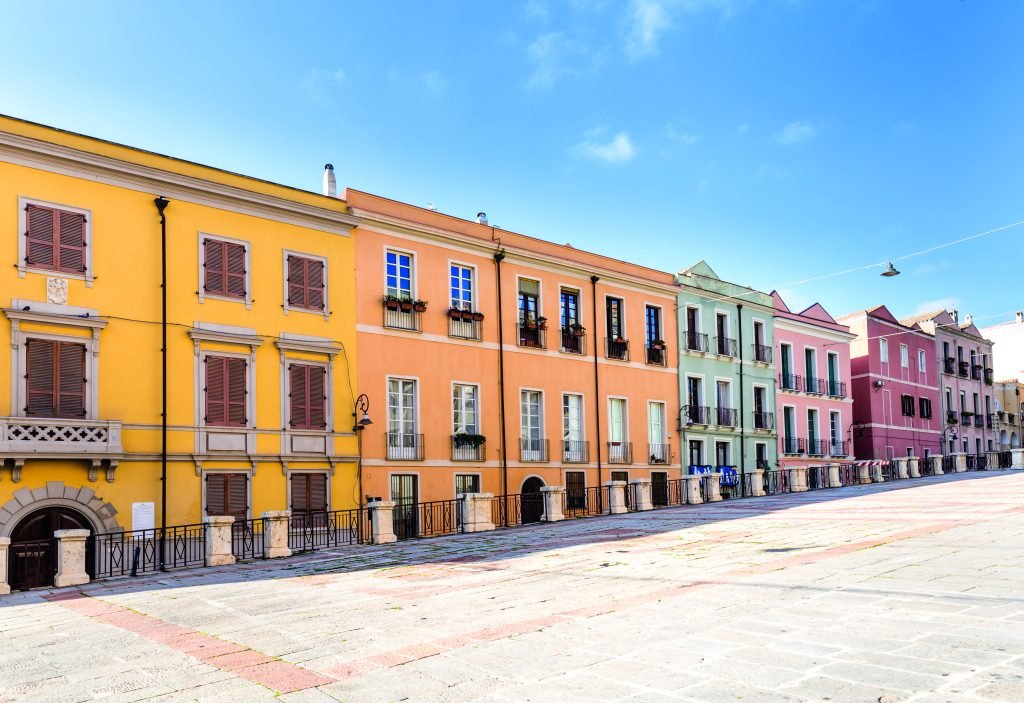
Sardinia's most evocative views: the city stretching out towards the port, the infinite blue of the gulf and, on clear days, the perfect line of the Mediterranean horizon. Not far away, the Cathedral of Santa Maria Assunta It houses one of the island's most important spiritual treasures. Its interior, enriched with polychrome marble and Baroque decorations, houses the venerated statue of the Black Madonna and a precious collection of sacred works preserved in the sacristy. The Pisan towers of San Pancrazio and the Elephant, symbols of medieval Cagliari, still watch over the city. From their panoramic terraces, the gaze encompasses a landscape that speaks to centuries of history: the domes of churches, the rooftops of working-class neighborhoods, and the constant bustle of the port. Descending from the Castle, you encounter the other three historic neighborhoods, each with its own identity. Marina is perhaps the most cosmopolitan, overlooking the sea and bustling with restaurants, shops, and small cafes. It is also home to the Civic Palace, elegant building with two octagonal towers that welcome those arriving from the port. Stampace It retains a more authentic and popular character, made up of quiet streets, ancient churches, and hidden courtyards. Villanova, on the other hand, surprises with its almost rural atmosphere: low houses, flower-filled balconies, and artisan workshops where tradition lives on discreetly. But Cagliari is not just a medieval city. Its roots go much further back in time. Its history spans Phoenician, Punic, and Roman civilizations, leaving behind extraordinary testimonies. The Roman Amphitheater, carved directly into the rock of a natural valley, demonstrates the city's importance in ancient times. Karalis Roman. Not far away is the Necropolis of Tuvixeddu, one of the most important Phoenician-Punic funerary sites in the Mediterranean. A fascinating place, where silence and landscape
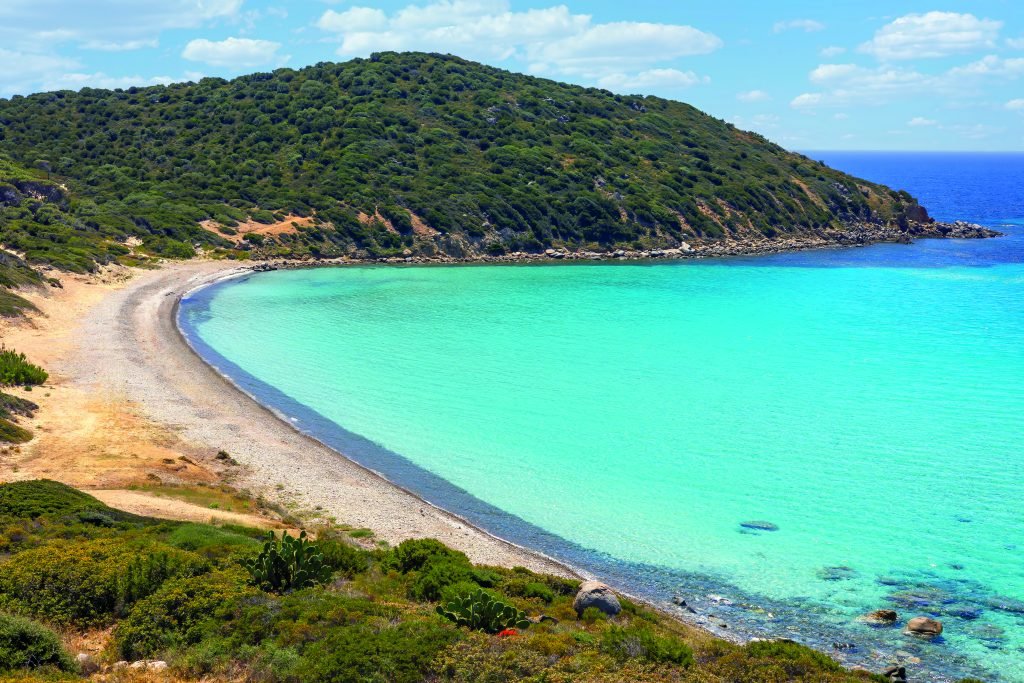
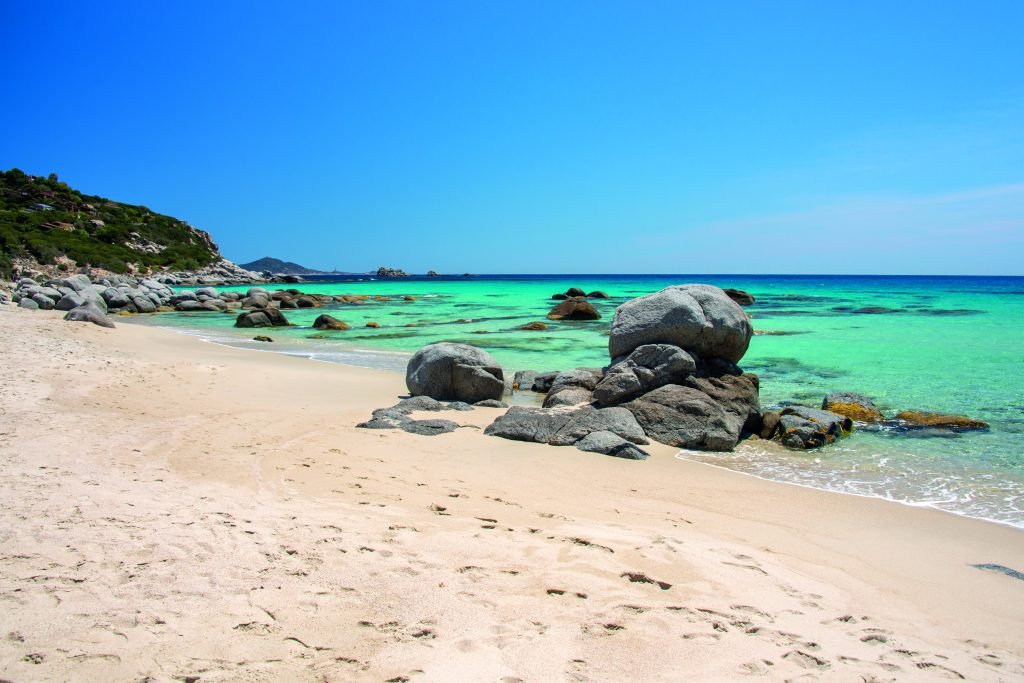
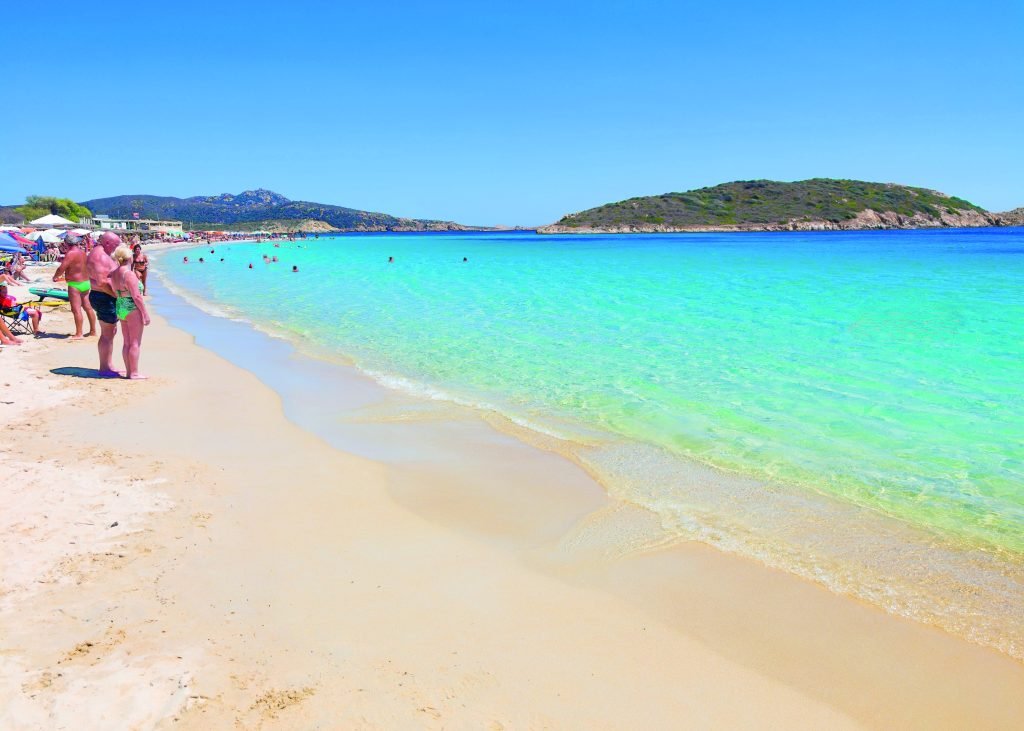
They reveal the depth of a history spanning more than two thousand years. To truly understand the island's identity, a key stop is the Archaeological Museum of Sardinia, which houses artifacts spanning millennia. Among the most impressive exhibits are the famous Giants of Monte Prama: Monumental and mysterious statues, evidence of a Nuragic civilization that still amazes scholars and travelers. Yet, what makes Cagliari unique is its ability to combine the urban dimension with surprisingly close nature. Just minutes from the city center lies Poetto, the city's vast beach, over eight kilometers long.
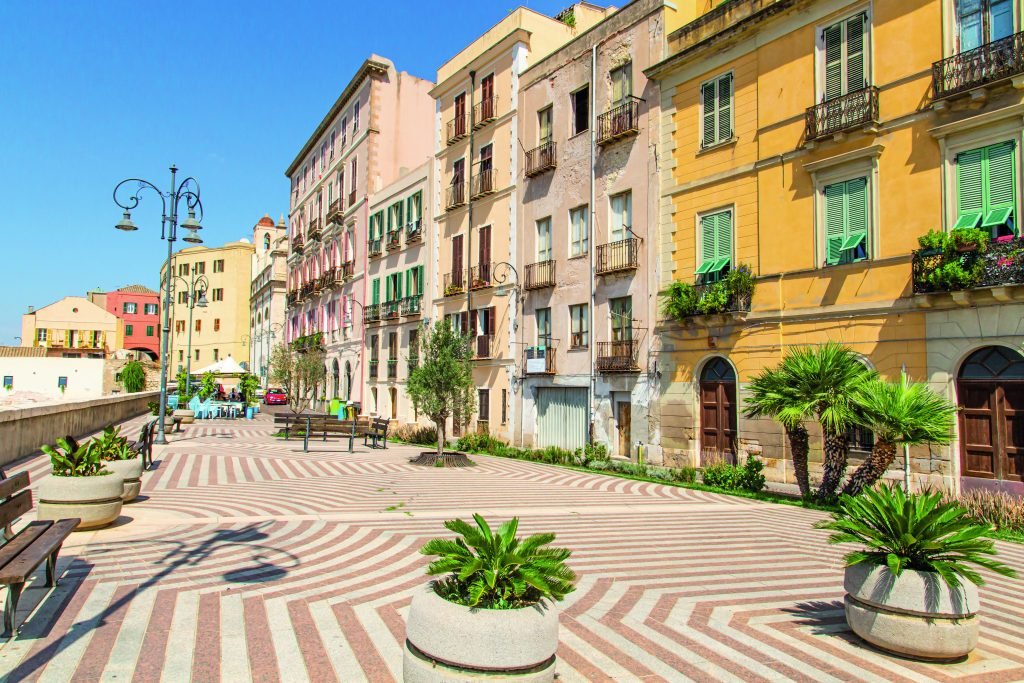
Here the city changes pace: you pedal along the seafront, observe the colors of the sea changing throughout the day, and experience the sunset as a daily ritual. Dominating the gulf is the Devil's Saddle, the promontory that protects the city and which, according to local legend, was the scene of an ancient battle between angels and demons. Today, it is a paradise for hikers and nature lovers, with trails that wind through the Mediterranean scrub and offer spectacular views of the coast. Cagliari is also a city of parks, lagoons, and green spaces where nature surprises. In the saltwater basins surrounding the city, it's common to spot pink flamingos and numerous species of migratory birds, making the area one of the most interesting in the Mediterranean for birdwatching. The best way to discover Cagliari, however, is on foot. The city invites you to lose yourself among its climbs and stairways, bright squares, and quiet alleys, where every corner offers an unexpected glimpse. And then there's the cuisine. The Marina district is home to some of the city's most authentic trattorias, where the seafood takes center stage. Among the most traditional specialties, burrida, prepared with dogfish and walnuts, stands out, but the local cuisine offers a wealth of flavors that reflect Sardinia's typical blend of land and sea. Cagliari is a city that doesn't need to dazzle with special effects. It does so naturally, through its light, its views, and its history. It's a destination that invites you to slow down, observe, and be surprised.
And when the sun sets over the Golfo degli Angeli, casting a golden glow on the sea, you understand why this city captivates everyone who visits. Not just for what it shows, but for what it makes you feel. A true Mediterranean soul.