FROM 21 TO 26 APRIL, MILAN BECOMES A LABORATORY WHERE DESIGN IS NO LONGER JUST AN OBJECT, BUT A DIALOGUE BETWEEN MATTER, VISION, AND THE CITY; A COMPLEX SYSTEM WHERE UNIQUENESS, SUSTAINABILITY, AND THE VISITOR EXPERIENCE REDEFINE THE BOUNDARIES BETWEEN INDUSTRY, ART, AND THE FUTURE

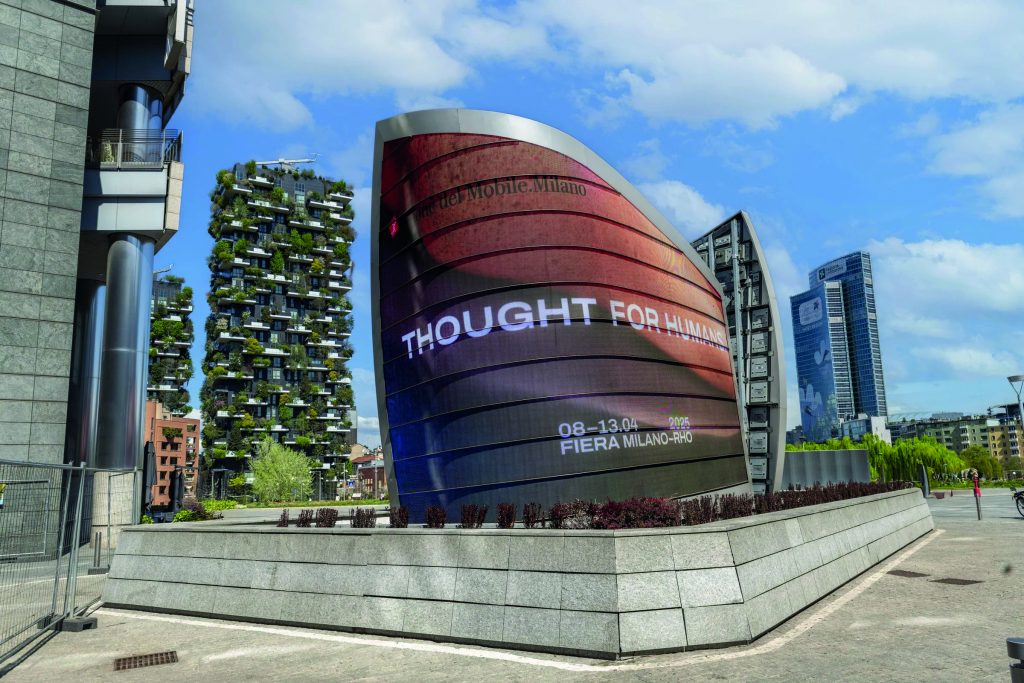
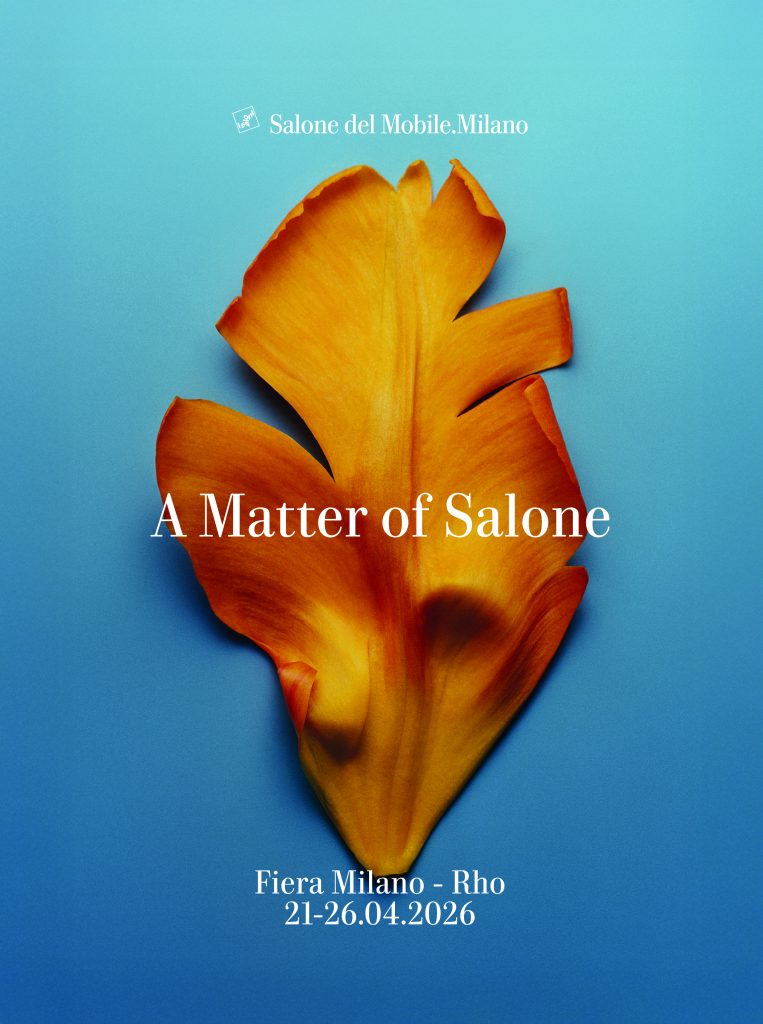
There's a moment in Milan when design ceases to be an object and returns to being a language. It happens every year, but each time differently, as if the city and its production system needed to continually redefine their equilibrium. April 21st to 26th, the 64th edition of the Furniture Fair reopens this space suspended between industry and vision, between material and storytelling, confirming itself not only as a trade fair, but as a living cultural infrastructure, capable of interpreting the present and guiding the future. It is not a simple anniversary in the international calendar: it is a moment of reflection, a point of convergence where design is observed, questioned, and, above all, repositioned.
The numbers, as always, are impressive—over 1,900 exhibitors, more than 169,000 square meters, an increasingly marked international presence—but here they're not enough to explain what's really happening. They're the visible surface of a much more complex phenomenon. Because the Salone isn't a collection of stands, nor an ordered sequence of products: it's a system. A layered organism, in which economic relationships, cultural tensions, and design languages intertwine to become something more subtle and difficult to define. A form of shared thought, taking shape in the space and time of the fair.
The 2026 edition seems to move along a precise, almost necessary path: making complexity legible without betraying it. Not reducing, but clarifying. Not simplifying, but orienting. In an era where design risks fragmenting in a thousand directions—between technology, sustainability, storytelling, and the market—the Salone constructs a grammar that holds these elements together, offering paths, connections, and trajectories. It is a silent, almost curatorial effort, which acts not so much on the object as on its interpretation.
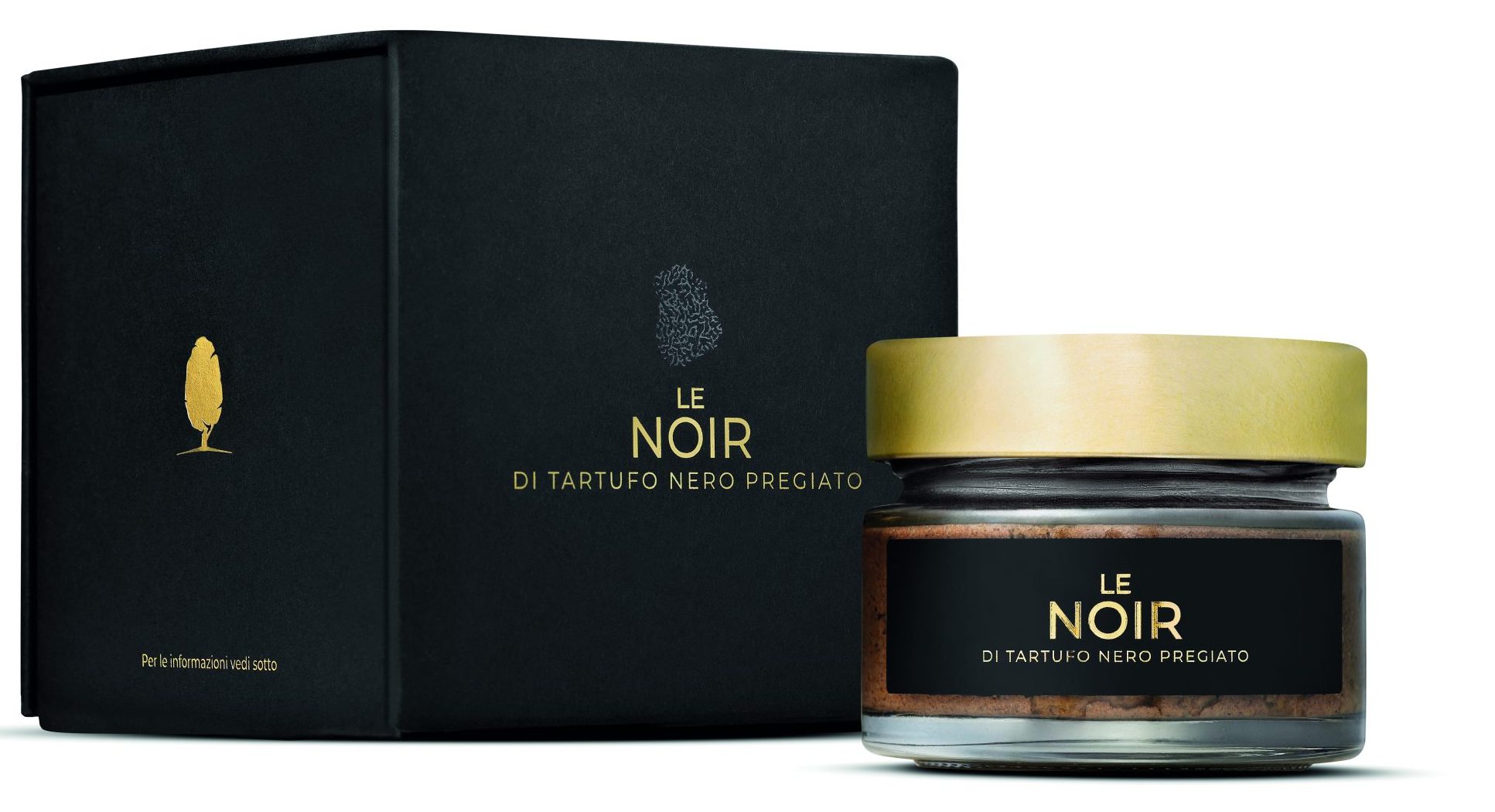
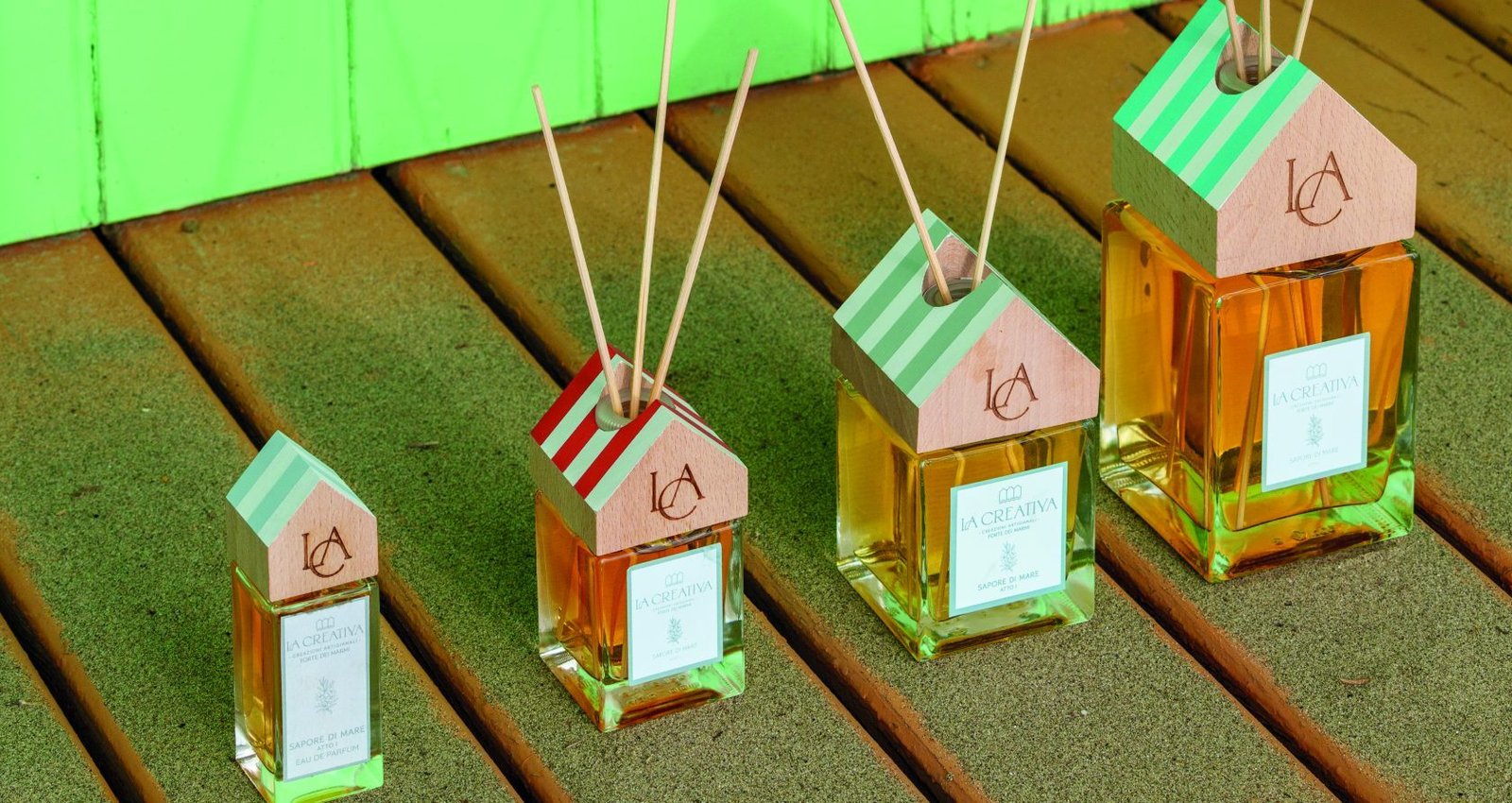
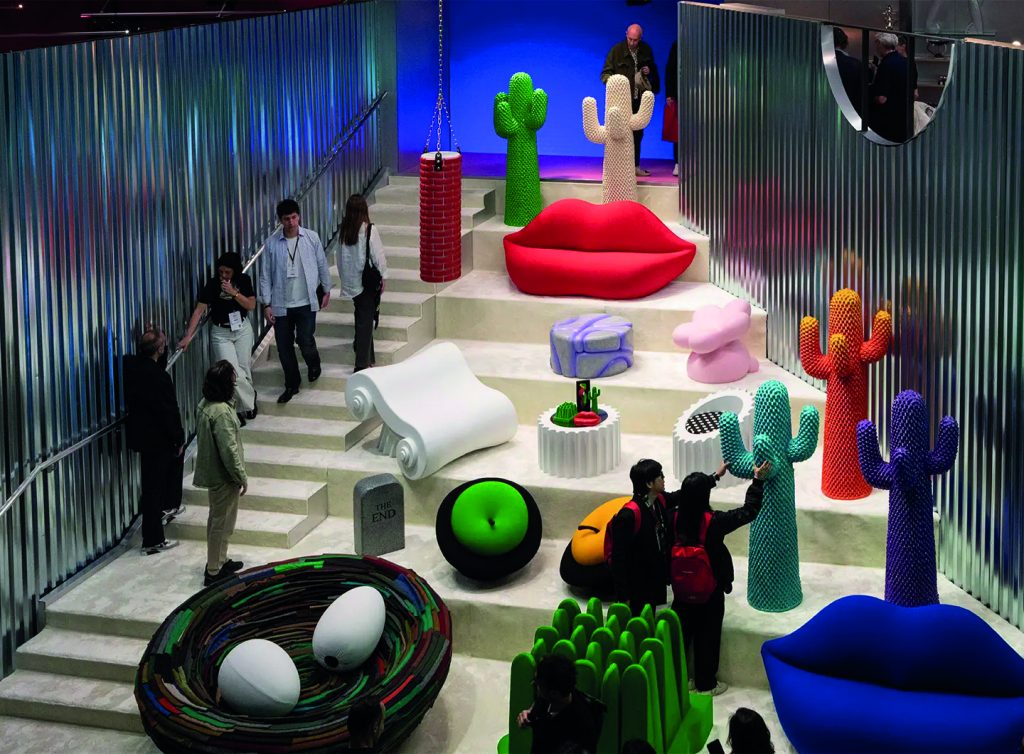
It is in this tension that the new guidelines are inserted, starting from Raritas Hall. Here, the project escapes the logic of reproducibility to return to a more intimate, almost unrepeatable dimension. Unique objects, outsized pieces, icons that defy traditional categories: this is not a nostalgic return to craftsmanship, but a deeper reflection on the value of difference. In a system dominated by industrial scale, uniqueness becomes a critical gesture, a space for freedom.
It is the place where design approaches art without openly declaring it, letting the material do the talking.
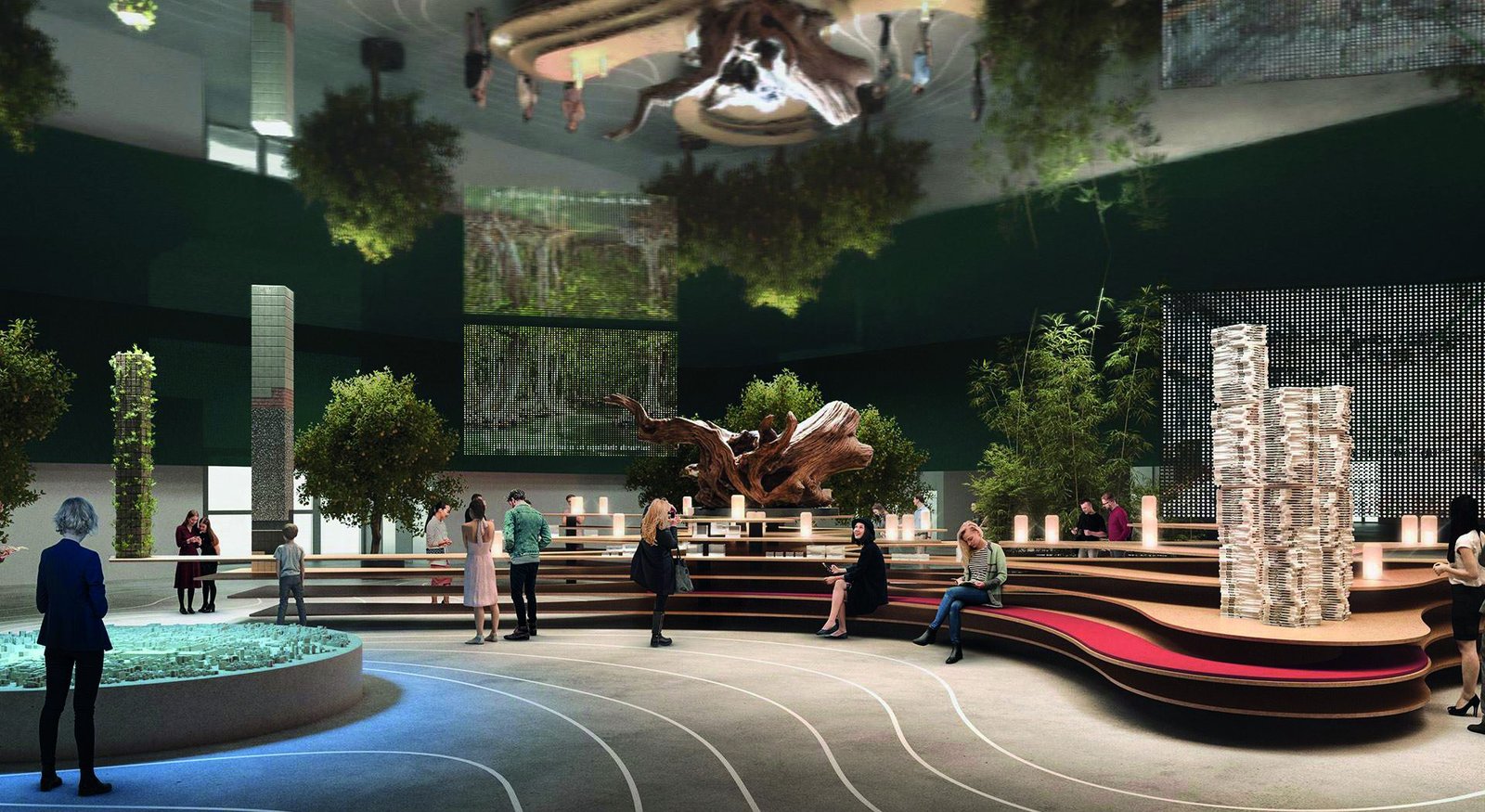
Alongside this more intimate dimension, an opposite and complementary movement develops: the one that will lead to the birth of the Contract Hall. Here, the project changes scale, expands, and becomes a system. No longer isolated objects, but complex environments, integrated experiences, and architectures for everyday use. Hospitality, retail, hybrid spaces: design becomes infrastructure, a device capable of organizing flows, behaviors, and perceptions. It's a decisive shift, reflecting a broader transformation of the sector, increasingly oriented toward integrated logics and large-scale design. In this context, the designer no longer simply draws forms, but builds relationships. In between, like a narrative suspension, Aurea, an Architectural Fiction. It's not an installation in the traditional sense, but a mental environment, an imaginary construction that uses space to narrate. A hotel that doesn't exist, and for this very reason manages to be more real than many real places. Rooms that follow one another like chapters, corridors that open and close, lights that suggest rather than illuminate. Here, design abandons function to become a sensorial experience, an immersive narrative. The visitor doesn't observe: he passes through. And in this passage, he gets lost, slows down, perceives. Luxury, in this context, is not ostentation, but moderation. It's not accumulation, but subtraction. It's a quality of the gaze.
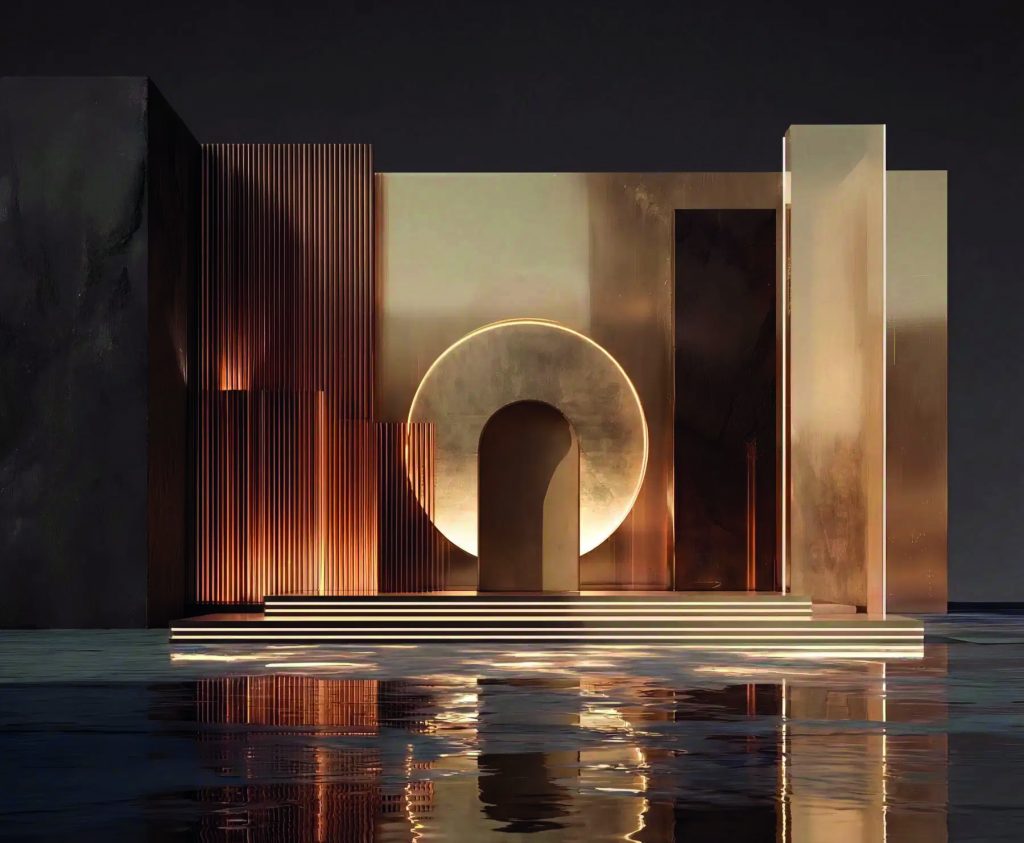
Everything converges toward a central idea, both declared and intuited: matter. Not as a simple physical element, but as the origin of design. It is in matter that gesture takes shape, that intuition becomes object, that thought takes shape. In an age dominated by the immaterial, the digital, and speed, this return to matter takes on an almost ethical value. Surface, weight, consistency: every element becomes language. It is not a return to the past, but a reaffirmation of the present, of the need to build with awareness.
Sustainability fits into this framework without rhetoric, as an inevitable condition. It is no longer a topic to be addressed, but a parameter to be integrated. Supply chain, processes, durability, reuse: the project extends beyond the object, including everything that makes it possible. It's no longer about alternatives, but about responsibility. Design cannot escape.
At the same time, the visitor experience is also being redefined. In such a complex context, orientation becomes an integral part of the narrative. Paths become clearer, connections more legible, without losing their complexity. It's a way to give visitors not only the ability to see, but also to understand. To experience the Salone not as a sequence of images, but as a narrative.
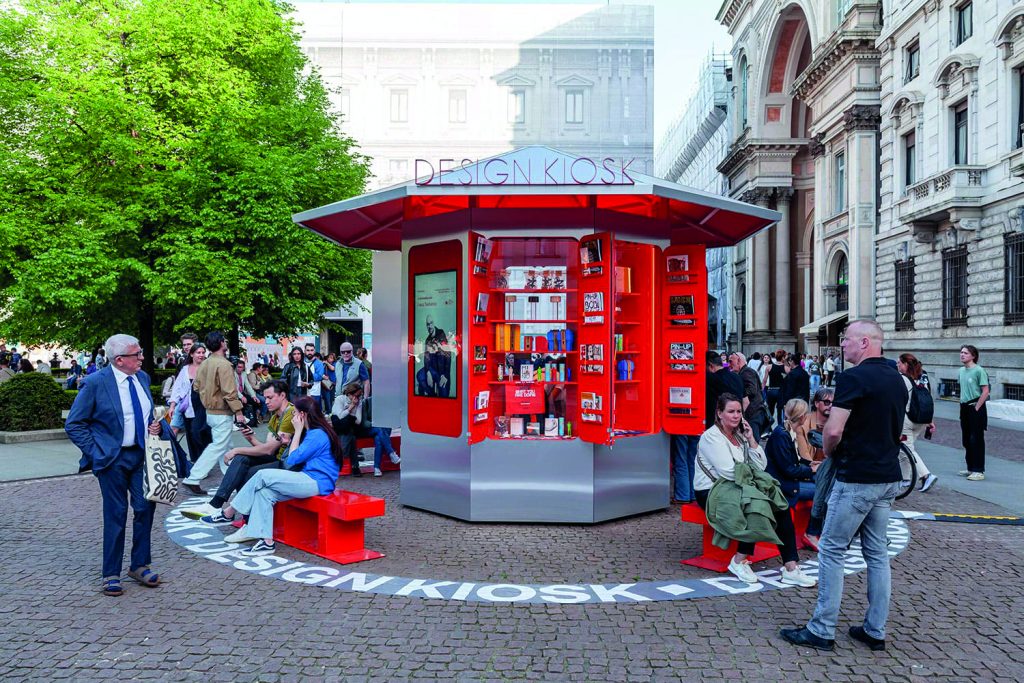
And then there's Milan. Not as a mere container, but as a natural extension of the Salone. The city absorbs and revitalizes, amplifies and transforms. During those days, every space becomes a potential project site: courtyards, galleries, studios, streets.
The boundary between the fair and the city dissolves, creating a diffuse system in which design manifests itself in unpredictable forms. It's a continuous dialogue, made of references, overlaps, and chance encounters. Milan doesn't host the Salone: it interprets it.
In this unstable balance between order and complexity, between industry and vision, the Salone del Mobile continues to do what it has always done, but with a deeper awareness.
Don't just represent design, but actively participate in its definition. Don't follow change, but anticipate it, creating the conditions for it.
And perhaps this is precisely the point. Not what will be seen, but what will take shape. Not the objects, but the relationships that make them possible. Not the present, but the direction we are beginning to glimpse. In a time marked by instability and rapid transformation, the Salone confirms itself as a space where the future is not announced, but slowly built. A place where design returns to being, above all, an act of awareness.