A TUSCAN ADDRESS WHERE THE CRAFTSMANSHIP BECOMES A HERITAGE AND THE SHOES TELL A CENTURY OF ARTISAN COHERENCE

In the heart of Tuscany, in Lamporecchio, there is an address that is not just a production site, but a cornerstone of Italian manufacturing history. Poggio alla Cavalla, in the same rooms that were once the grandfather's house, takes shape Sutoris: a simple Latin name, meaning simply "shoemaker." And it encompasses, without further ado, nearly a century of history. The family's story Vegetable gardens It began in 1930, when Paolo, the founder of the family, began cutting, drilling, and sewing leather with his neighbors, making work shoes on improvised benches in front of their homes. It was a shared craft, made of repeated gestures and living materials, passed down through observation rather than teaching. Four years later, his son Allegro was born, raised in an environment where shoemaking was not a job, but a natural extension of daily life. In 1955, father and son founded the company. Ortigni Paolo and Son, tackling a complex market with a rare combination of professionalism, simplicity, and honesty. Every week, Paolo would leave for Turin with two suitcases—twelve pairs of shoes in all—and return only after completing the sales. It was a different Italy, but already looking beyond its borders. In 1974, Ortigni Allegro was founded, focused exclusively on exports, especially to the United States. Then came changes, crises, and a new generation. Stefano, Fabio, and Barbara Ortigni learned the trade from a young age, observing and participating. In 1991, they decided to start from scratch, bucking the trend of the industrialization of the sector, by founding Sutoris. The choice was clear: to return to the craftsmanship of the product, to true quality, and to a genuine relationship with the customer.
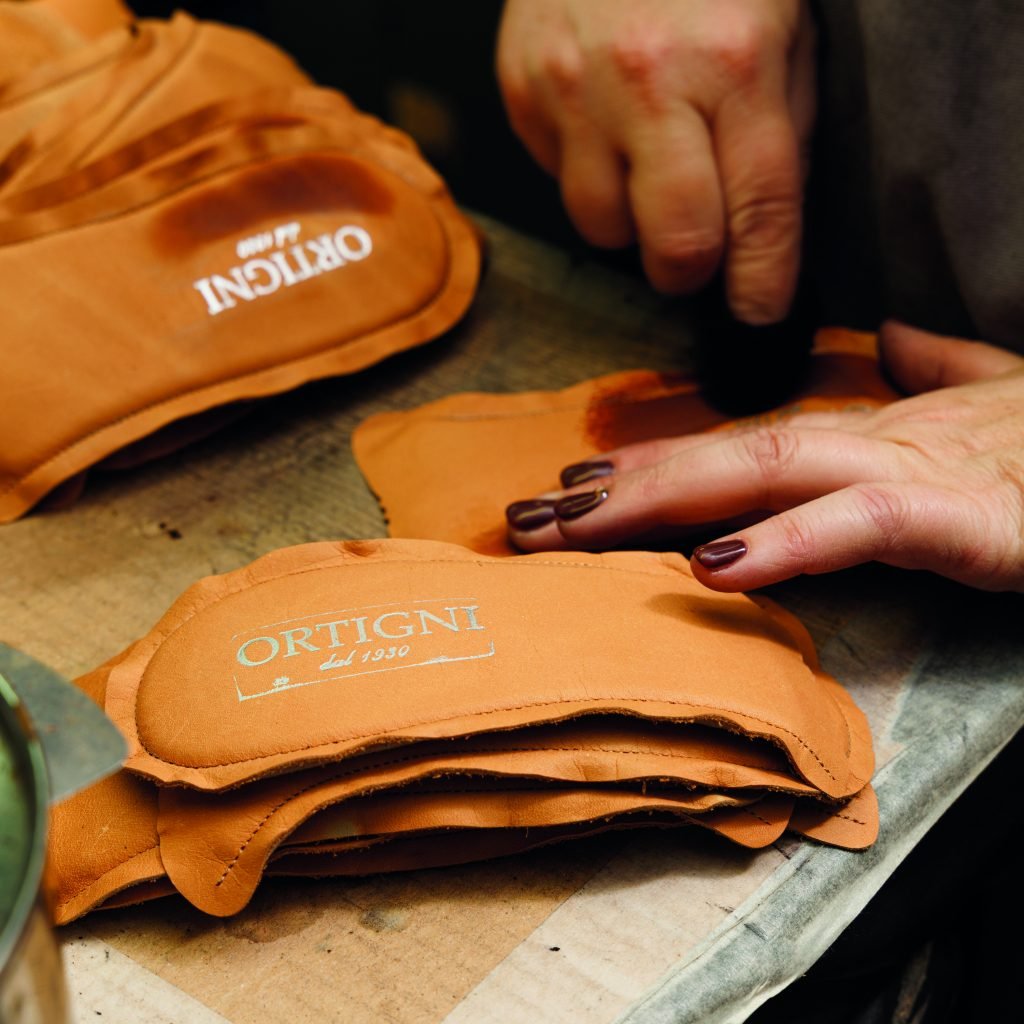
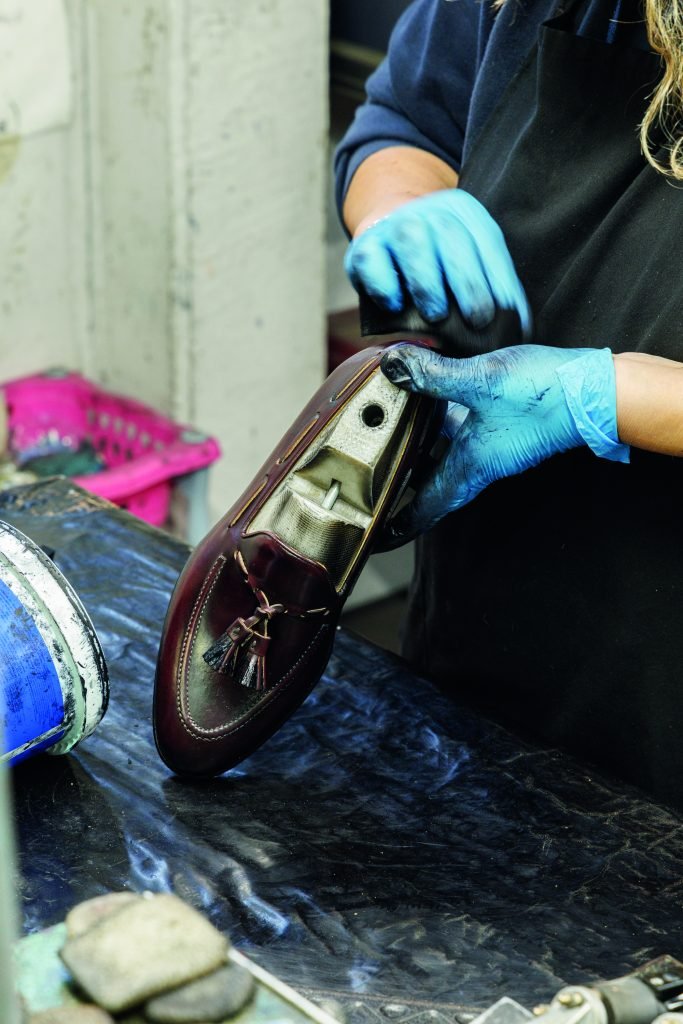
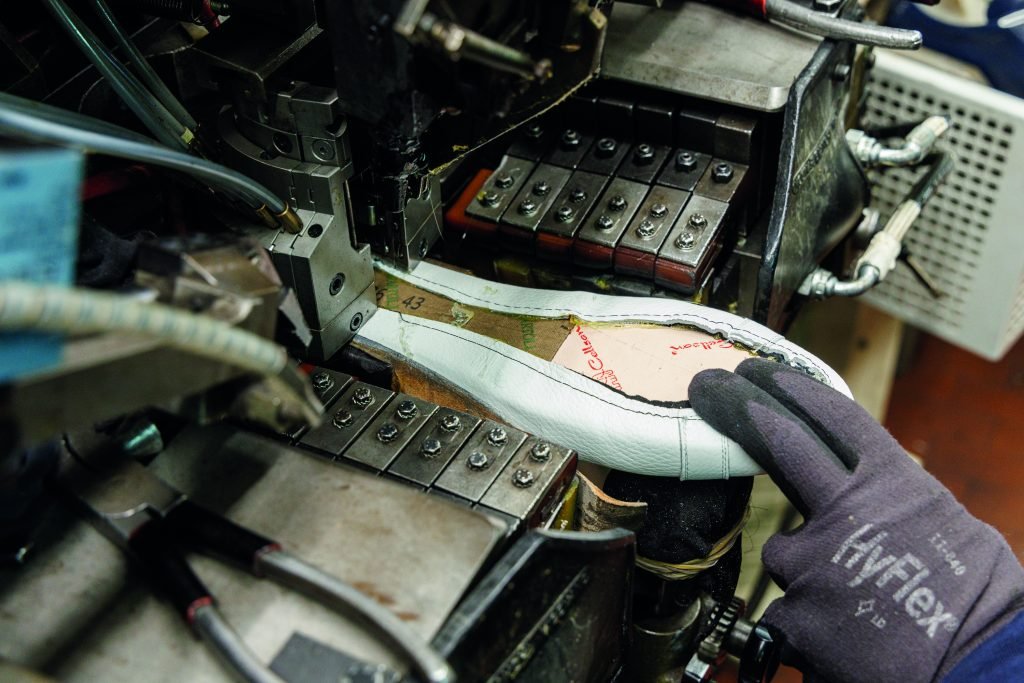
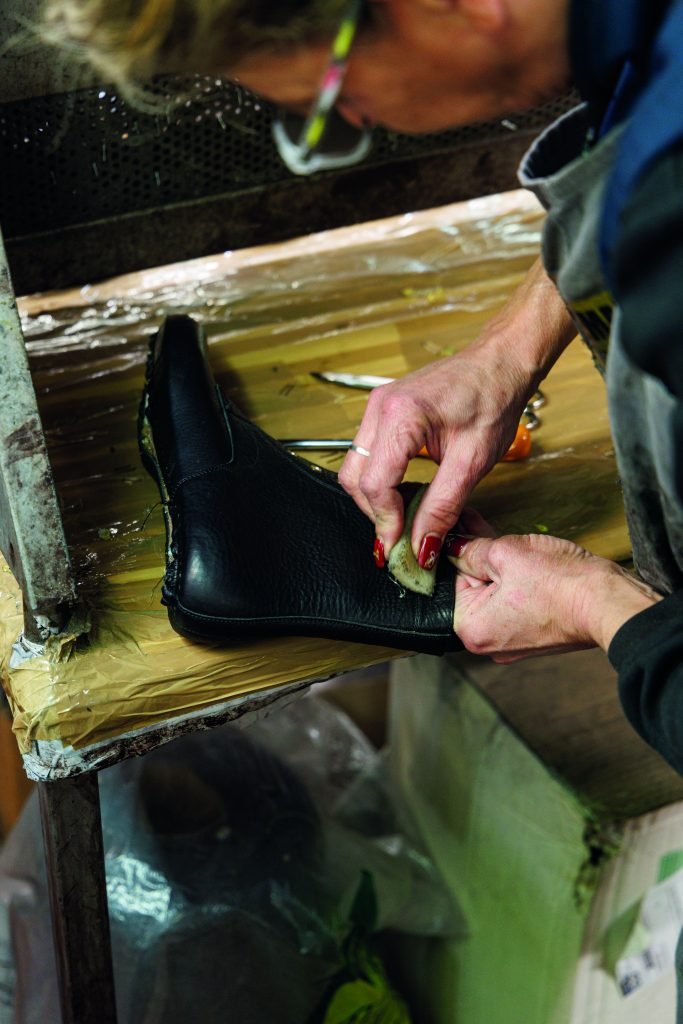
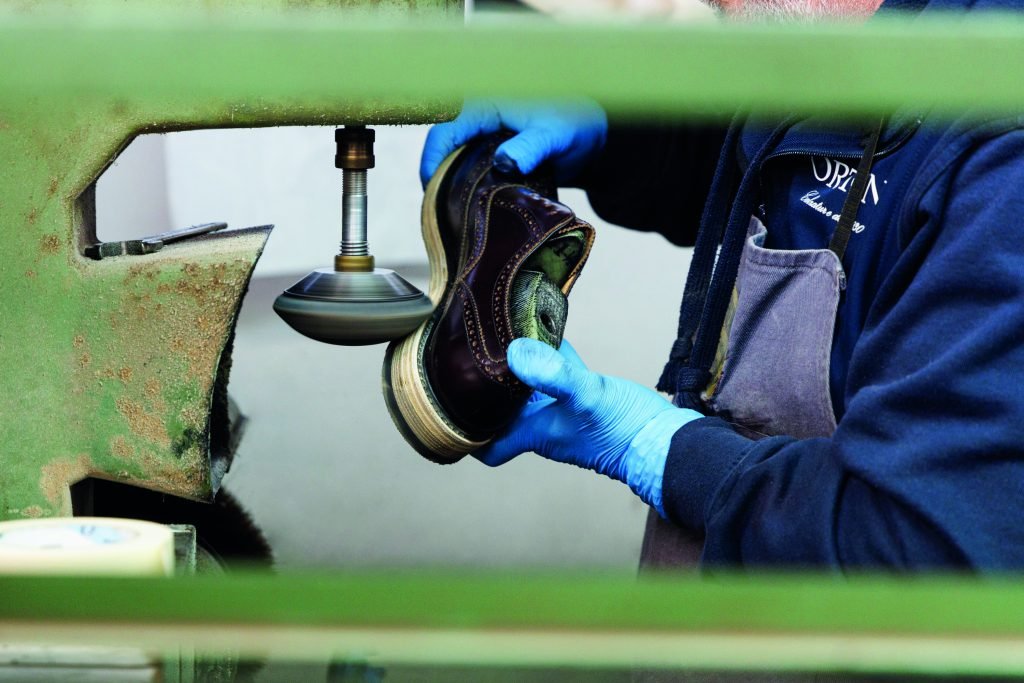
Today that story is contained in an image printed on each box: Paolo and Allegro At work, side by side. A portrait that is not nostalgia, but continuity. Ortigni 1930 shoes are born from a slow and rigorous process. It all begins with the last, designed in-house, and with a careful search for leathers and materials. Each model is designed to combine classic lines with a contemporary sensibility, without forcing anything. The sample collection becomes a laboratory for comparison: prototypes, revisions, thoughtful choices. Nothing is left to chance.
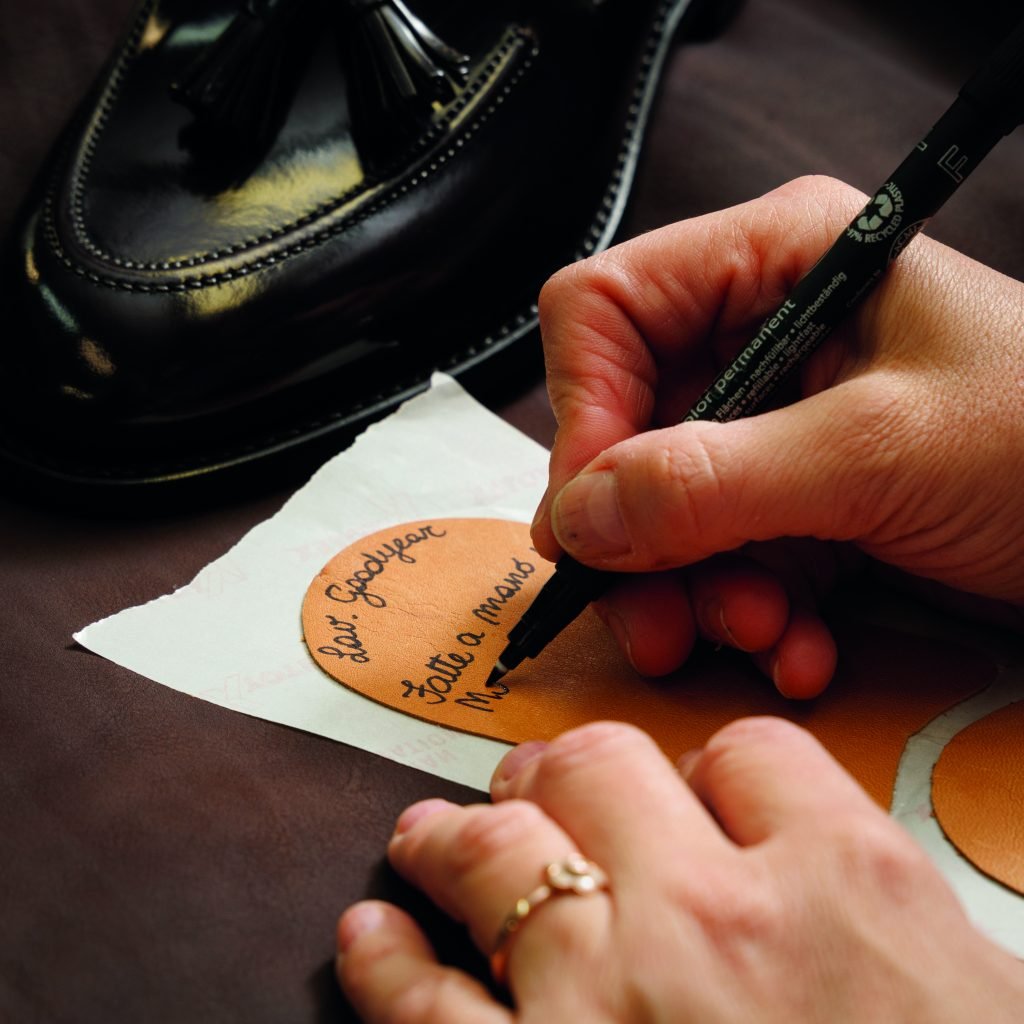
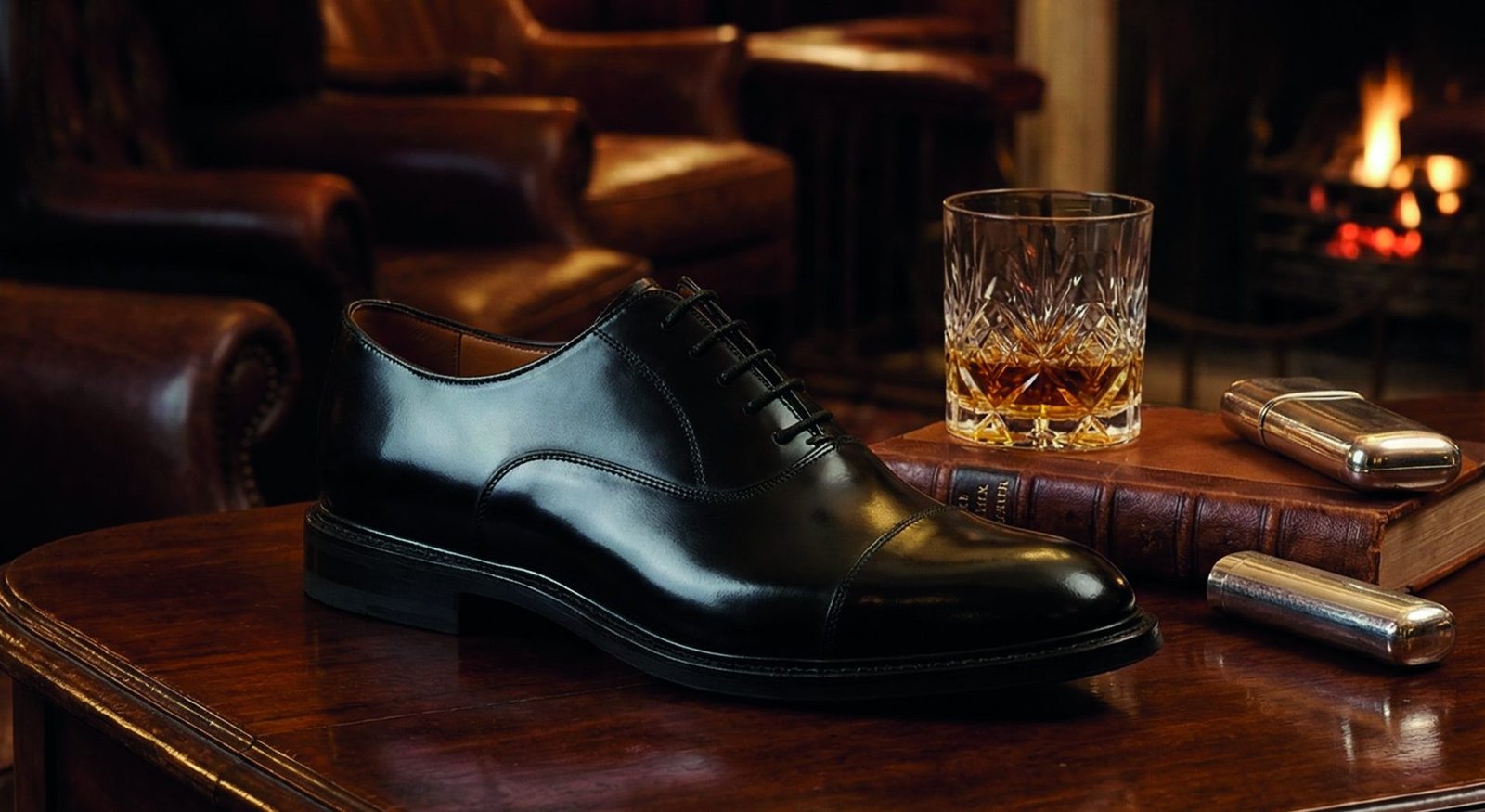
The workings — Blake, Bolognese, Blake Rapid, Goodyear, Norwegian —they are not style statements, but precision instruments. Quality is measured in the softness of the fit, the grace of the aesthetic, and the durability over time. Uppers range from leather and suede to the finest hides, such as crocodile, ostrich, stingray, and iguana, selected with care and respect. The soles, in leather or rubber, also include three-layer technical solutions, designed to last without sacrificing comfort.
Faithful to classic style, Ortigni's shoes are in tune with the present, playing with colors, materials, and proportions. The result is a shoe entirely made in Italy, balanced, recognizable, and offering an authentic quality-price ratio.
Ortigni isn't a story of rapid growth, but of consistency. Three generations, a specific location, a profession practiced with the same dedication. In a time of acceleration, their strength remains the continuity of their gesture. And the rare ability to let the shoes speak for themselves even before the brand.