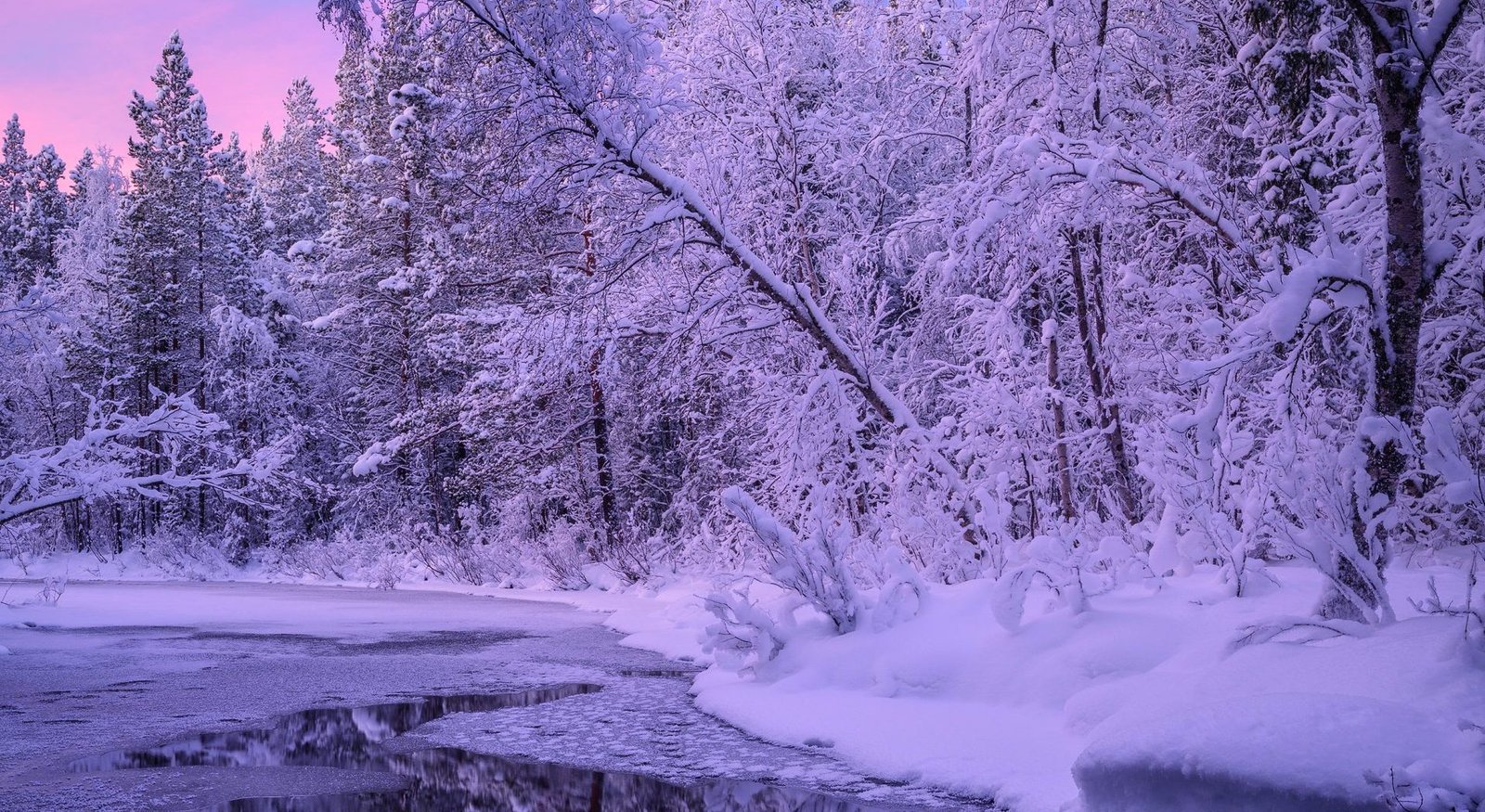
FROM THE ARCTIC QUIET TO DISTANT LANDS, A VISUAL RESEARCH IN WHICH LIGHT SHAPES SPACE AND TIME FLOWS SLOWLY, TRANSFORMING
EVERY SCENE IN EXPERIENCE AND EVERY IMAGE IN MEMORY.

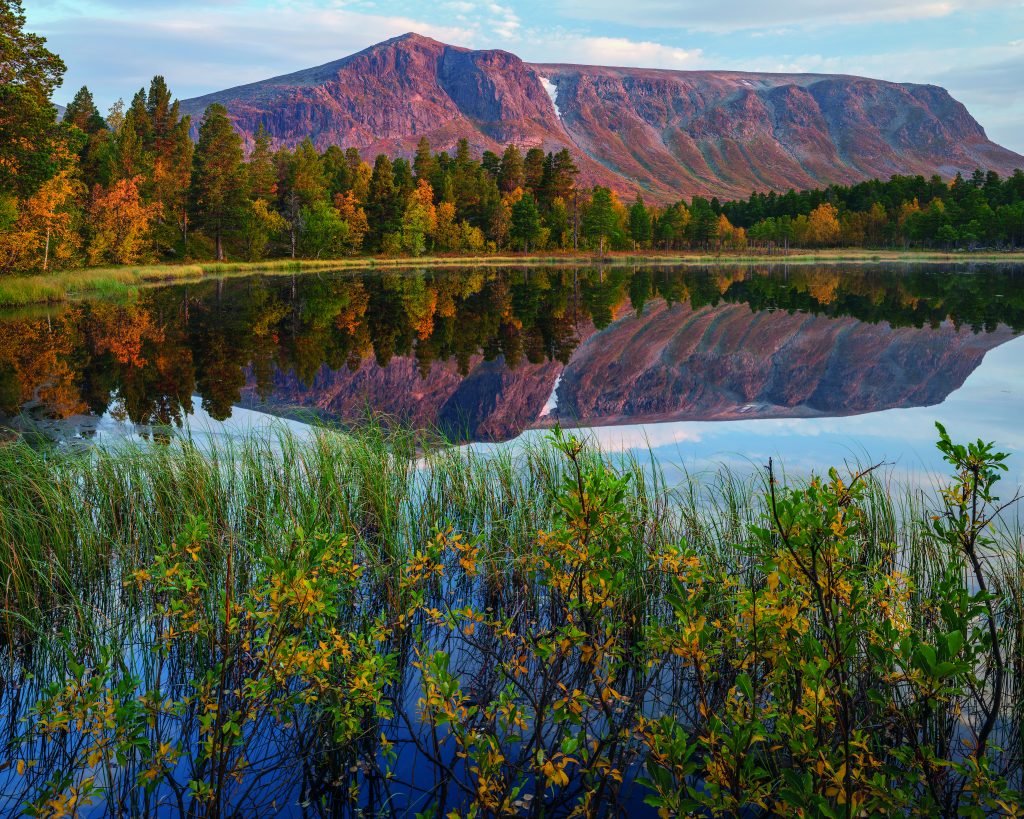
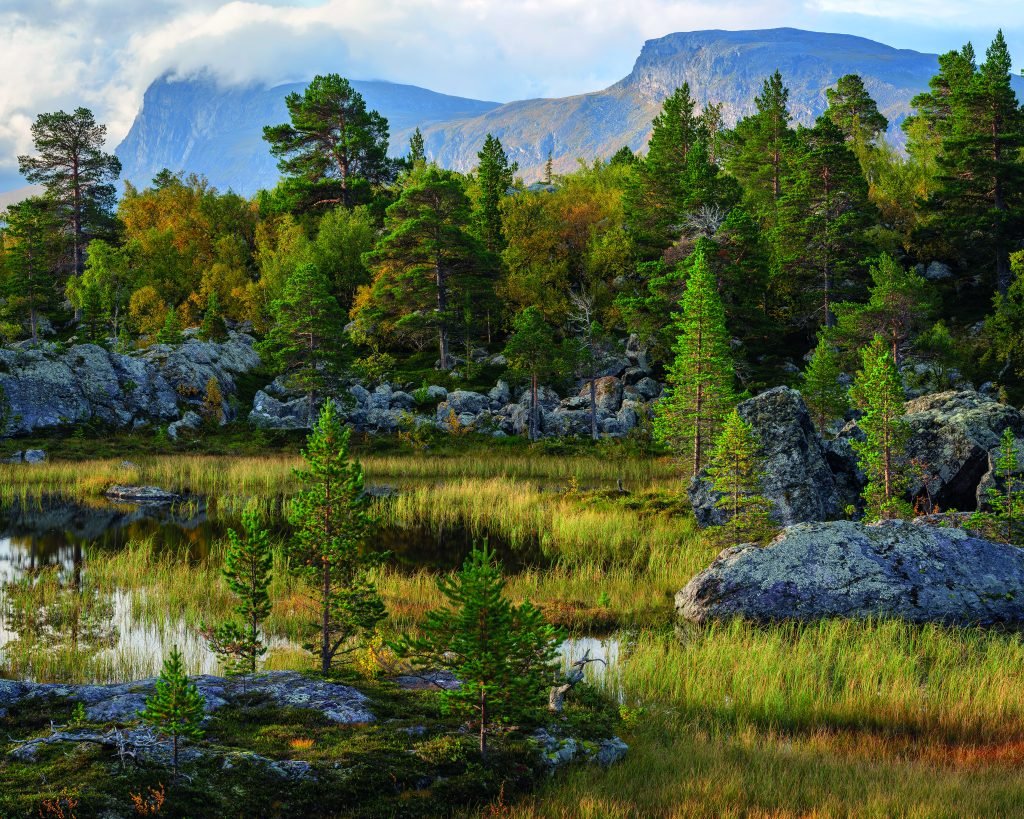
In the vast silence of Swedish Lapland, where the forests stretch endlessly and the light changes with an almost imperceptible grace, Serkan Günes He traverses the landscape with quiet intention. His photographs are not thunderous declarations of nature's grandeur, but contemplations—moments where light, form, and emotion meet in perfect balance.
Born in Istanbul and then drawn north to Sweden, Gunes He found not only a new home, but a new way of seeing. The Nordic landscape, with its restrained palette and subtle transitions of light, became both subject and master. It is here, beyond the Arctic Circle, who has built a body of work defined by patience, sensitivity, and an almost meditative relationship with the natural world. Günes didn't start out as a photographer. His journey into photography began in his early twenties, when he picked up a camera and explored the Swedish countryside. What he discovered wasn't just a landscape, but a language—made of light, time, and weather.
Over the years, that curiosity transformed into a continuous quest. Her work today spans continents—from the Arctic to Africa—but remains anchored to the same intention: to translate experience into emotion. "The choices I make—light, composition—must first speak to my mind and heart," she explains. This vision defines her approach. The image is never the ultimate goal; it is merely the trace of something experienced—a fleeting alignment between inner perception and the external world. If there is one constant in Günes's work, it is her profound sensitivity to light. Whether it's the faint glow of mist on a northern lake or the silent drama of a winter sky, light is never simple illumination, but the very substance of the image.
His style moves effortlessly between the intimate and the monumental. One moment he frames vast mountain ranges under shifting skies; the next, he isolates a single tree or a barely perceptible pattern in the snow. This ability to navigate scale is one of his hallmarks. Unlike many landscape photographers seeking spectacular conditions, Günes often opts for subtraction. Overcast skies, diffused light, and subtle tonal transitions allow him to construct images that seem suspended—less about spectacle, more about presence. One of his most iconic projects, The Land of Eight Seasons, reflects his deep connection with the
Northern Sweden — a land where Sámi tradition divides the year into eight distinct seasons.
Spending long periods in Lapland, he depicted this landscape not as a sequence of events, but as a continuous transformation. Light becomes the thread that unites everything—from the blue stillness of the polar winter to the endless golden days of summer.
«"Being here changes your perspective on life," he said. "Everything seems bigger, more dramatic—but also more real."»
Through this work, Günes not only documents a place, but also conveys a way of perceiving time, in which change is constant and almost imperceptible. Over the years, his work has received major international recognition. He has received the prestigious Eric Hosking Award in the competition Wildlife Photographer of the Year, becoming the first Swede to do so.
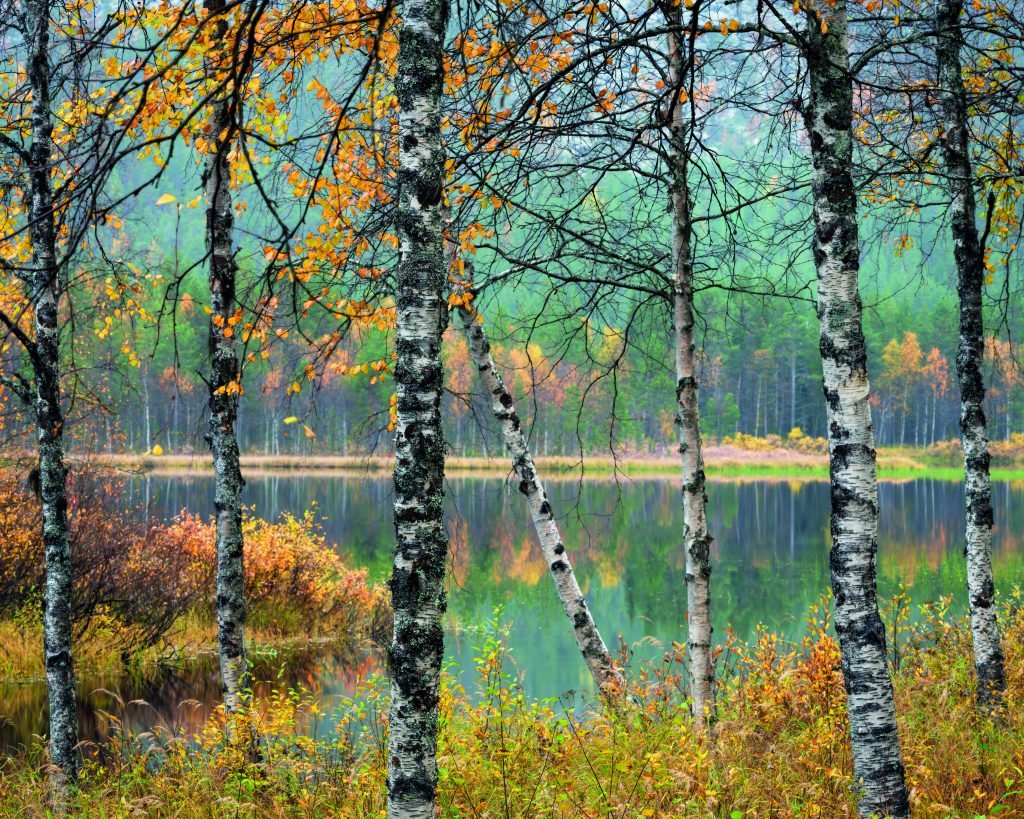
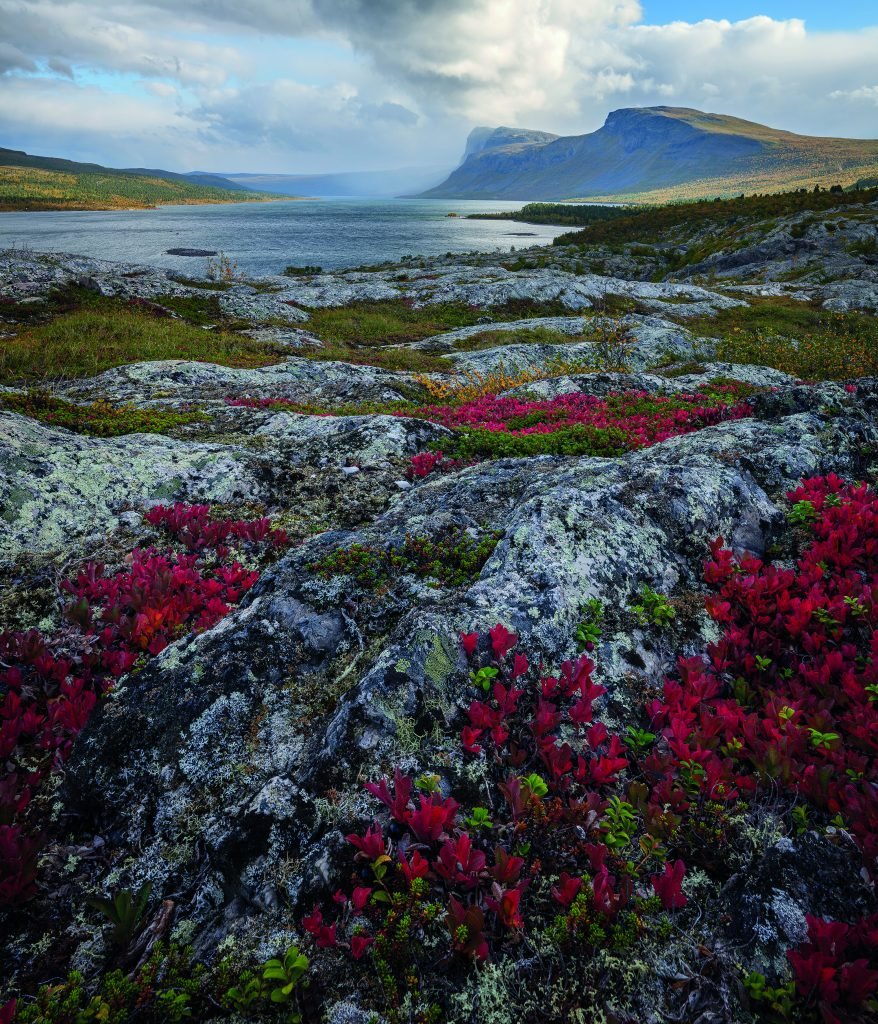
His pictures have been published throughout Europe and Asia, and his books — including The Land of Eight Seasons —they established him as a photographer and storyteller. Today he's also a global ambassador. Fujifilm, sharing her experience through workshops and conferences around the world. For Günes, photography isn't about control, but awareness. She doesn't force moments; she lets them emerge. She often returns to the same place for hours—sometimes days—waiting for that subtle shift capable of transforming a scene.
This patience isn't passive; it's active observation, a continuous dialogue between photographer and landscape. "The feeling when everything lines up in the viewfinder—that's the real reward," he says.
It is precisely that moment—fleeting, unrepeatable—that defines his work. Photography is merely its echo. In an age where images are produced and consumed at an unprecedented speed, Serkan Günes proposes a different approach: slower, quieter, more mindful. His work reminds us that landscape photography is not just about the places we pass through, but how we look at them.
Under the vast skies of Lapland, he continues to search—not for perfection, but for connection. Between light and earth, between observer and world. And it is in that space, suspended between stillness and change, that his images are born.