WHEN THE KITCHEN BECOMES MEMORY, VISION AND SOUL OF A GASTRONOMIC UNIVERSE THAT KNOWS NO BOUNDARIES

Sitting at one of the tables of Perbellini House At 12 Apostoli in Verona, you forget you're in a restaurant. The space speaks softly: frescoed vaults, soft lighting like the candles of an antique living room, the scent of something about to happen. And then the dish arrives. And it's there, in that precise moment, that you understand what eating truly means.
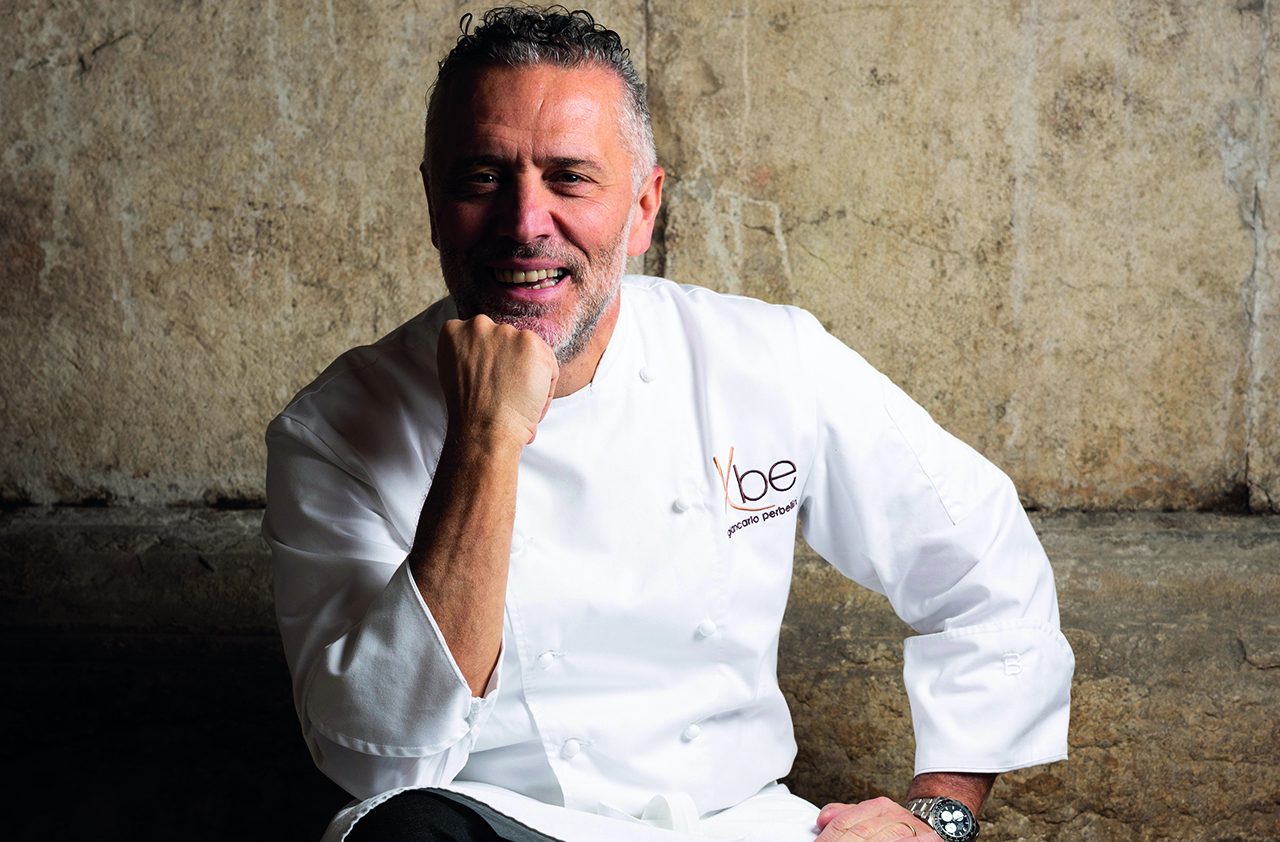
Giancarlo Perbellini he is not only one of the most celebrated chefs in Italy — three Michelin stars achieved in 2024, a milestone culminating in an extraordinary journey—he is, first and foremost, a man who has transformed his own experience into a gastronomic language. A craftsman of taste capable of encapsulating decades of memory, technique, passion, and vision in a single bite.
It all began in a family kitchen. Born in 1964 in Bovolone, Giancarlo Perbellini grew up surrounded by the aromas of a home where food was a ritual and a dialogue between generations. His grandfather Ernesto was the founding figure, a luminous presence: "My grandfather Ernesto loved cooking: at important dinners, he was always at the stove. I owe a lot to him for becoming a chef. My cooking is a memory of taste, a memory translated into a contemporary key.".
That memory has been refined and transformed over the years into an unmistakable stylistic signature, nourished by the strong roots that now inhabit the vaults of the 12 Apostles. Training at the Recoaro hotel management school marked his first steps, followed by experiences in the great Italian and French temples: Marconi, The Desco, the San Domenico of Imola, then Paris with Taillevent and L'Ambroisie. France, in particular, introduced Perbellini to grand cuisine, understood as a total discipline, where every gesture is the result of precise thought that combines classical rigor and creative freedom. In 1989, at just 26 years old, Perbellini opened his restaurant in Isola Rizza. It was an act of courage. The awarding of his first Michelin star in 1996, followed by the second in 2002, officially confirmed a unique method. Perbellini developed his own culinary grammar: a few rigorously selected elements, seasonality as an ethical principle, and a pursuit of balance between lightness and depth.
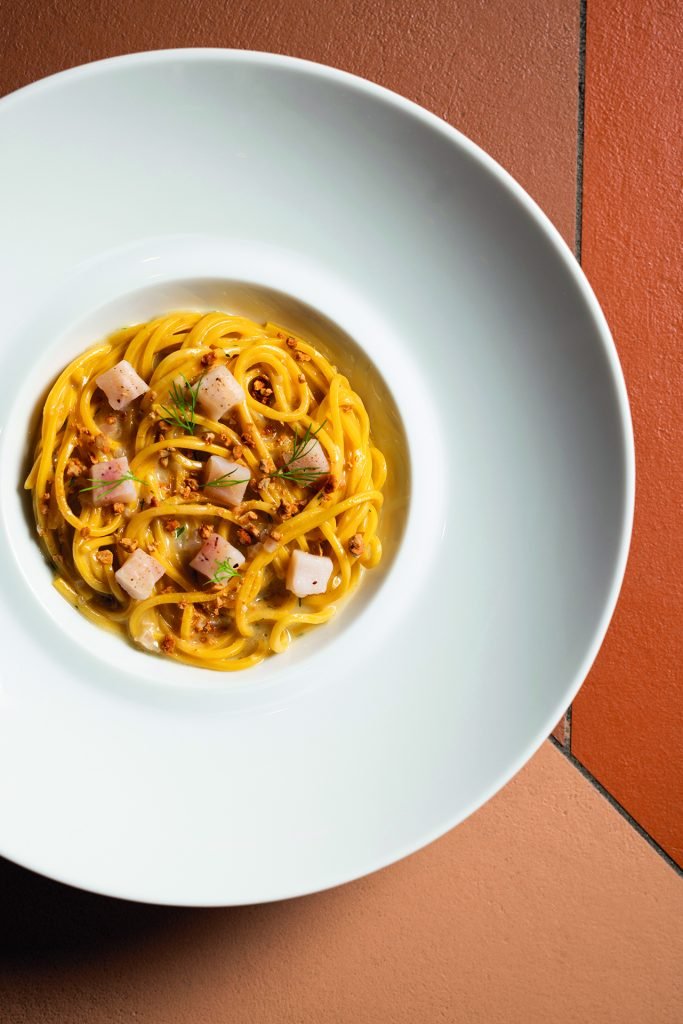
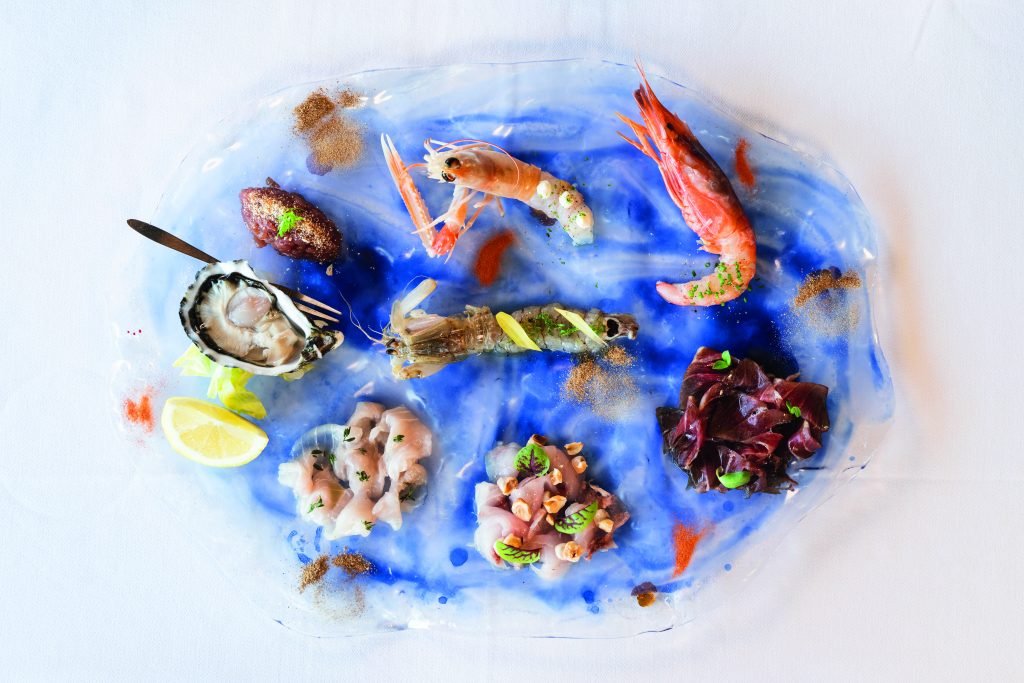
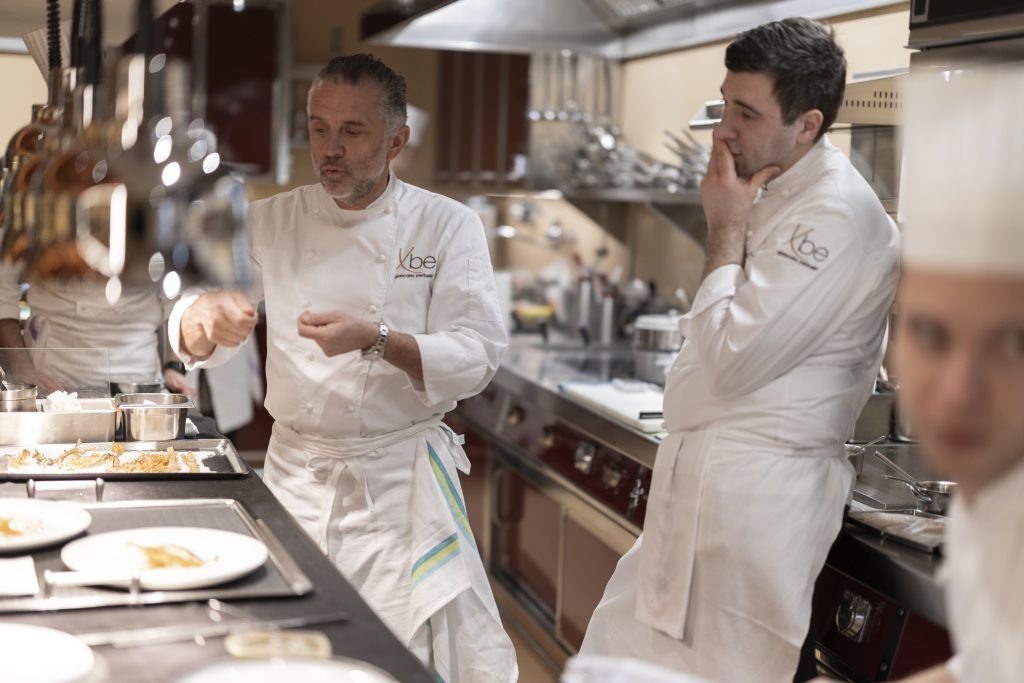
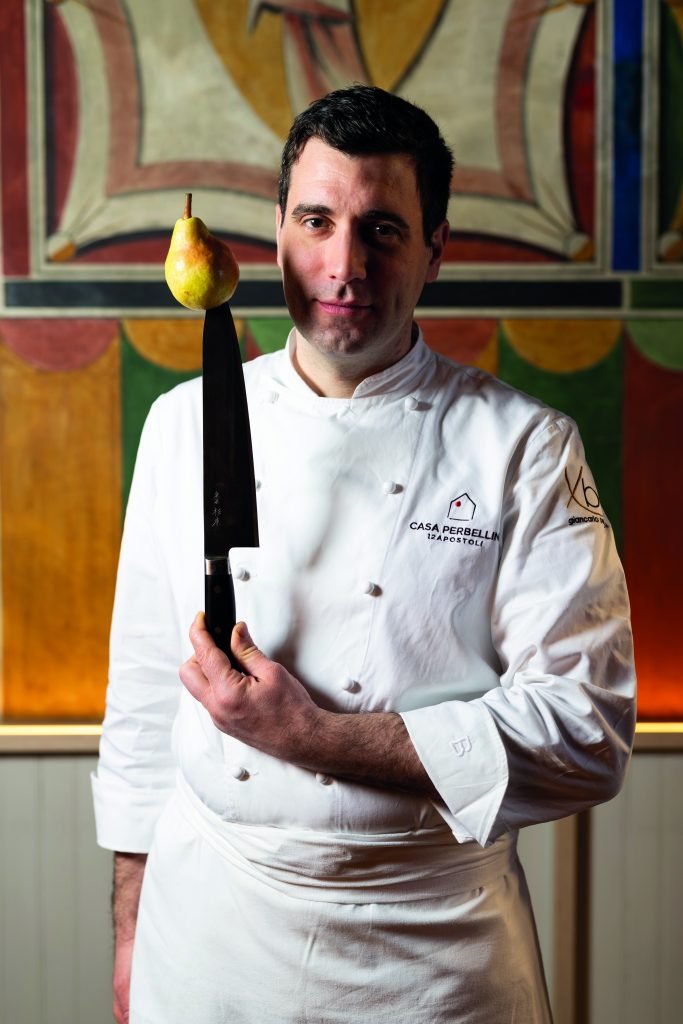
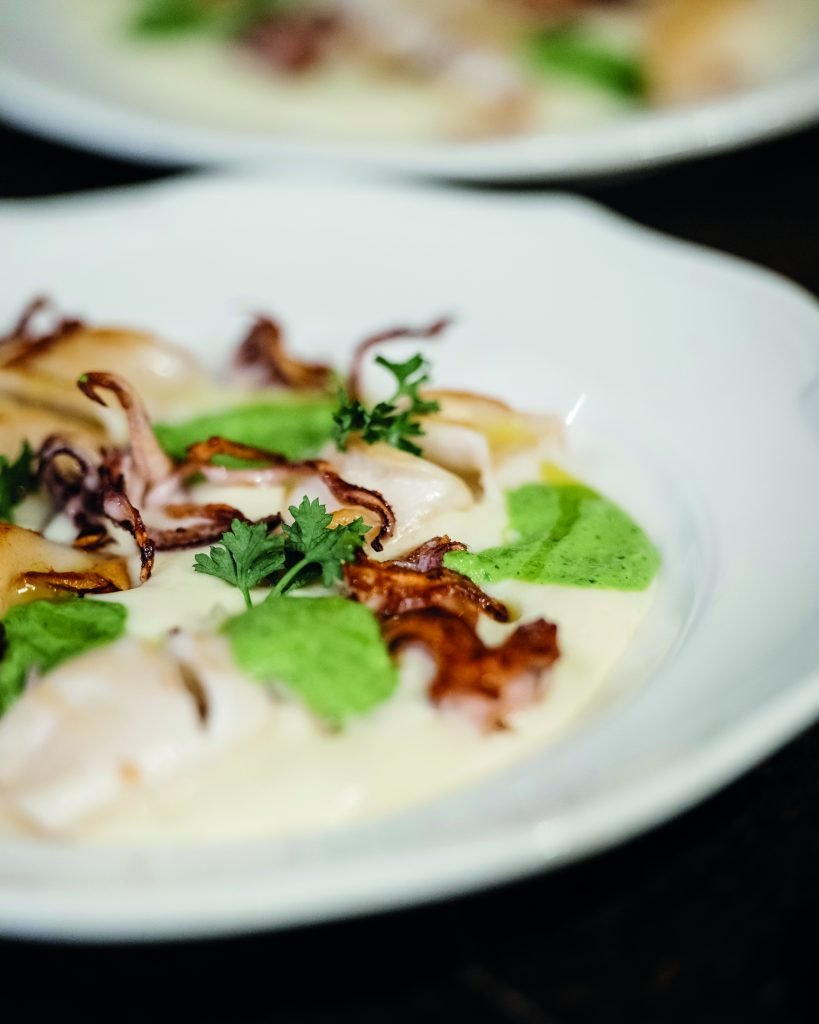
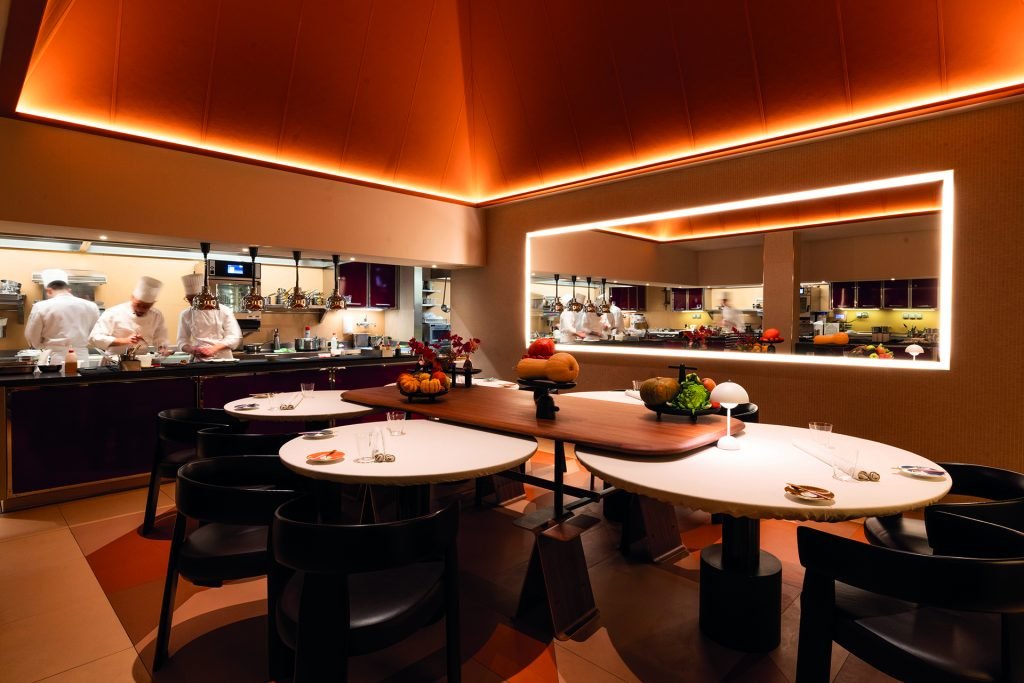
«"Cooking is a process that engages both the brain and the senses. An exploration of flavor that occurs by constantly thinking of new combinations. I've learned that three elements are enough to make a great dish. Succeeding is always a challenge." A cuisine that thinks and narrates, always surprising with discretion. 2014 marks a turning point: Perbellini wants to start again from a fundamental question: what a fine dining restaurant should be. The answer is Casa Perbellini in Piazza San Zeno in Verona. A place that dissolves the distance between kitchen and dining room: no barriers, a young team, an open kitchen, and the emotional atmosphere of a real home.
The market and the Michelin guide responded immediately: two stars in just one year, the Four Hats of Espresso in 2016 and the award for best dining room service in 2018. The project redefines the codes of Italian fine dining, shifting the focus from technical excellence to the quality of the human encounter.
In 2023, fate brought Perbellini back to 12 Apostoli, the historic Veronese restaurant that welcomed him as a young chef. For the restyling, the chef chose star architect Patricia Urquiola. The result is a dialogue between past and present: frescoed vaults and pillars of Pino Casarini from 1947 coexist with terracotta tones and maple wood. Each room tells a story: from the living room with its scenic library to the contemporary wine cellar with over 1,200 labels. The beating heart is the Chef's Table: twelve seats around an L-shaped kitchen, where Stefano Zendrin He guides guests into a theater where the spectacle is the birth of the dish. 2024 culminated with three Michelin stars and the Gambero Rosso Three Forks, the culmination of a journey of constant reinvention. Three itineraries unfold in the historic rooms: "Io e Silvia," dedicated to the chef's wife; "Storie di Casa," a journey through the evolution of his cuisine; and "L'Essenza," a gluten- and dairy-free vegetarian itinerary where pure matter becomes emotion.
Perbellini's philosophy revolves around a manifesto: "I prefer the simplicity of the dish to aesthetics." He doesn't pursue complexity for its own sake, but rather creates sensory experiences where every element has a purpose. His signature lies in the precision of the raw materials and respect for the local area. "Guests are an opportunity to merge the two worlds, human and cultural. Thanks to my guests, I can express myself." Perbellini's entrepreneurial prowess has given rise to a complex ecosystem of nine venues. In Verona, the three-star Locanda Quattro Cuochi, Al Capitan della Cittadella, the Du de Cope pizzeria, and the Mondo d'Oro osteria coexist. Tapasotto stands out: the Veronese cicchetteria where the precision of the product meets the conviviality of the bar and a glass of wine among friends. In Milan, the Locanda Perbellini Bistrot brings a sense of
Parisian-inspired dining, focused on regional cuisine and seasonality, with signature dishes such as the revisited Cotoletta and the celebrated Millefoglie. On Lake Garda, Locanda Ai Beati is housed in a former 15th-century olive oil mill. Here, chef Michele Bosco interprets Mediterranean cuisine: lavaret, trout, Garda olive oil, and Lessinia truffles, offering an inclusive experience with the "Senza" menu, free from meat, fish, gluten, and dairy.
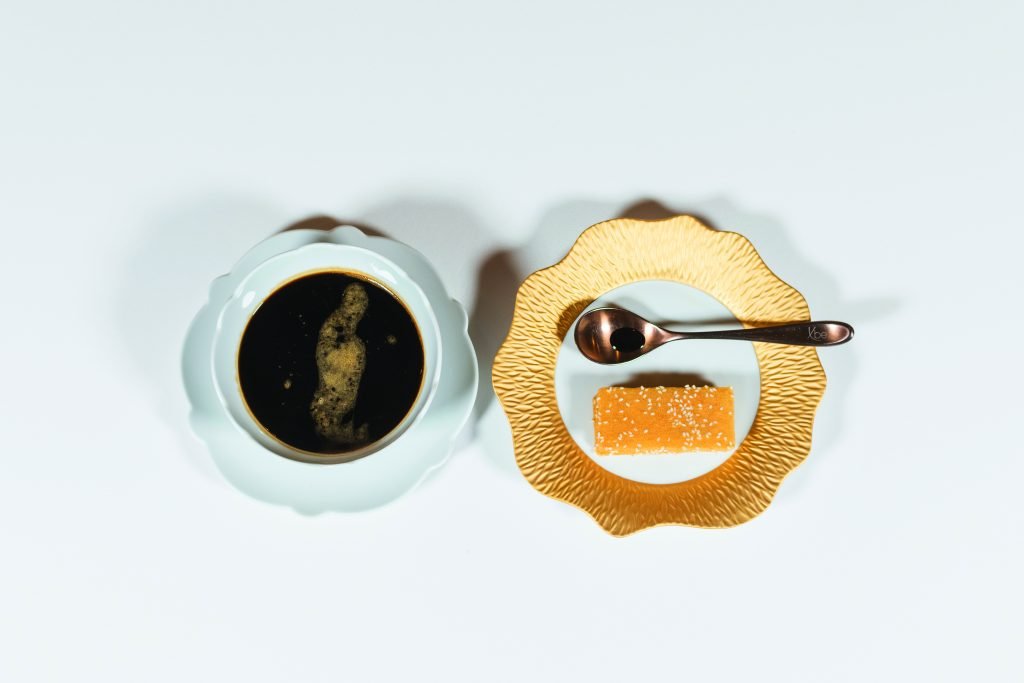
The absolute symbol of his cuisine is the Mio Wafer: sea bass tartare, goat cheese, chives, and licorice. An unchanged recipe that appeals to all five senses and evokes another. The same aesthetic attention is found in the pastry shop, where six porcelain stoneware pieces evoke Verona's monuments, a tribute to the city and Carême's art.

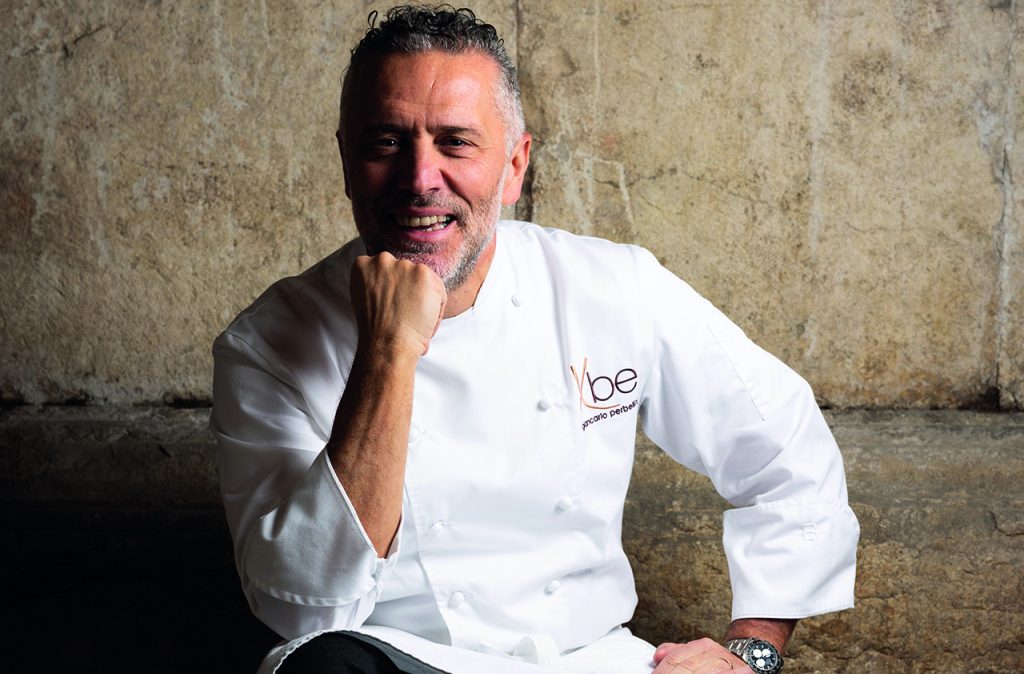
A narrator as well as a chef, Perbellini has written four volumes, including the recent Classico Contemporaneo, and has brought his vision to London, signing the menu of the Pasta Bar at Harrods. "I think cooking is also an evolution of ourselves." Sitting in the heart of Verona, in front of a dish that smells of roots, you understand that Perbellini doesn't just serve meals: he offers encounters with memory and the territory, leaving a memory that becomes part of us.